The influence of board games on memory and socialization
Understanding the Benefits of Board Games on Cognitive and Social Development
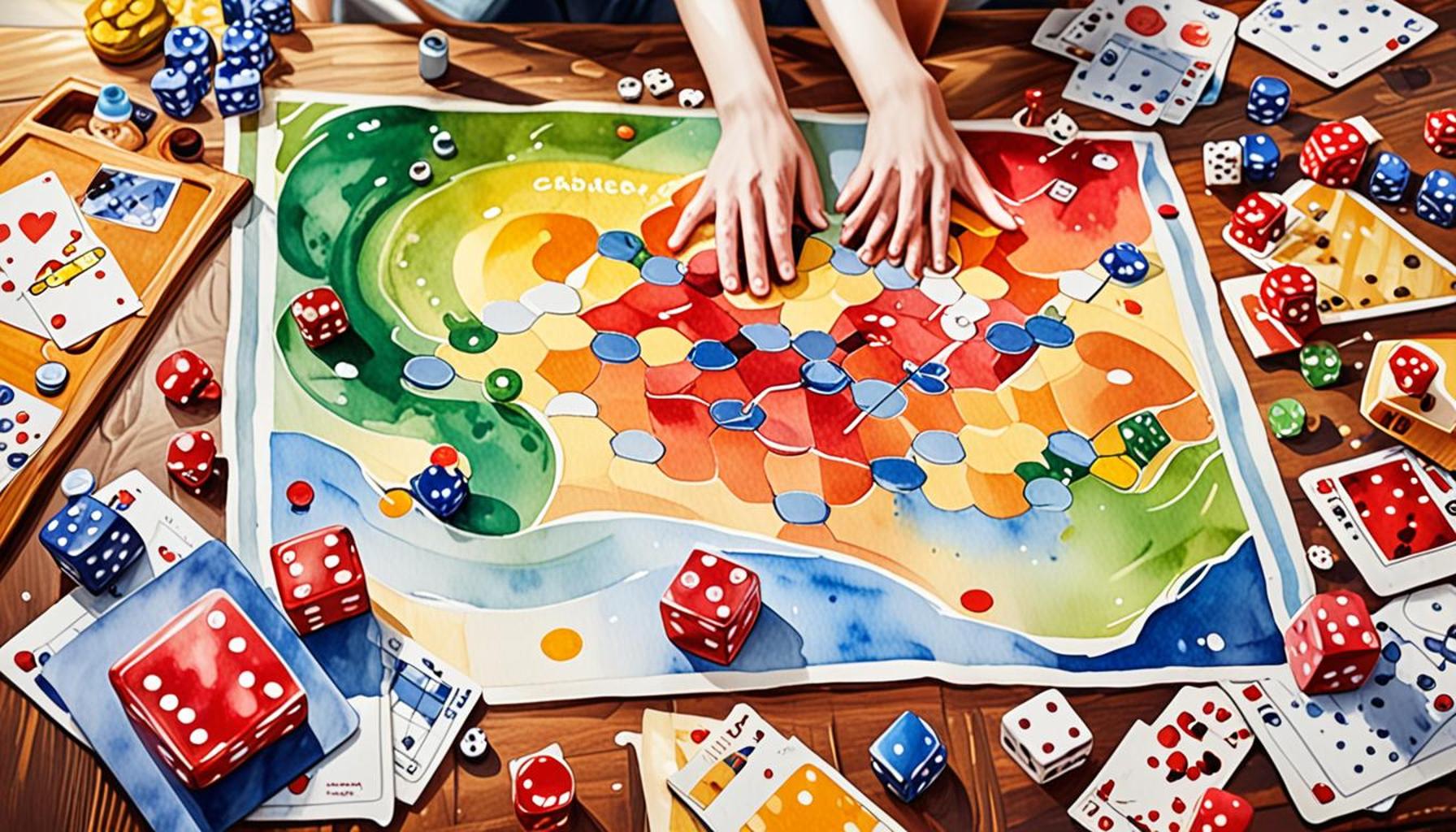
In today’s digital age, the revival of board games has ushered in a unique trend that resonates deeply with people of all ages. These physical games, which encourage face-to-face interactions, not only provide amusement but also profoundly influence aspects of memory and social skills, making them invaluable tools for personal development.
Memory Improvement Through Gameplay
Engaging in board games requires players to tap into their memory triggers continuously. Many games demand that individuals remember complex rules, as well as the moves made by opponents. For instance, while playing classics like Chess or modern strategy games like Catan, players must recall the positions of pieces or resources that can change dramatically throughout the game. Research shows that such cognitive exercises strengthen memory by enhancing neural pathways, ultimately leading to better retention capabilities. A study published in the journal of Gerontology found that senior participants who regularly engaged in board games showed a significant improvement in their memory functions compared to those who did not participate in such activities.
Enhancing Social Interactions
Board games inherently encourage socialization. They provide a platform for players to converse, negotiate, and collaborate, fostering healthy communication skills. For example, social deduction games like Werewolf or Among Us force players to articulate their thoughts and interpret the intentions of others, which can enhance both verbal and non-verbal communication skills. In family gatherings or friendly meetups, these interactions can create a lively atmosphere where humor and camaraderie flourish, revitalizing relationships, and building new connections.
The Role of Team Building
Many contemporary board games are designed to be played in teams, emphasizing the importance of cooperation. Games like Pandemic and Fuse require players to work together to achieve a common goal, teaching valuable lessons about teamwork and collaboration. This not only fosters a sense of belonging but also builds trust among participants, which is often essential in both personal and professional settings. Team-based games reflect real-life scenarios where collaboration is crucial, preparing players to approach challenges in community and workplace environments.
The Board Game Renaissance in the United States
Across the United States, there’s a burgeoning culture surrounding board games. With an explosion of local game cafes and shops, enthusiasts now have spaces to not just play but to form communities centered around their shared interests. Events like Tabletop Day or various game conventions foster an inclusive atmosphere where individuals can meet and make friends over shared gameplay experiences. In these welcoming environments, even newcomers to board games feel encouraged to join in, further promoting social interaction.

Final Thoughts
As we reflect on the impact of board games on memory and socialization, it’s evident that these engaging activities offer more than just fun. They are tools that can enrich our cognitive abilities and improve our interpersonal skills. So whether you’re revisiting your old game collection, exploring new titles, or forging friendships in local game shops, embracing board games presents an exciting opportunity to learn and grow. Dive in and discover the profound ways these games can transform everyday interactions into meaningful experiences.
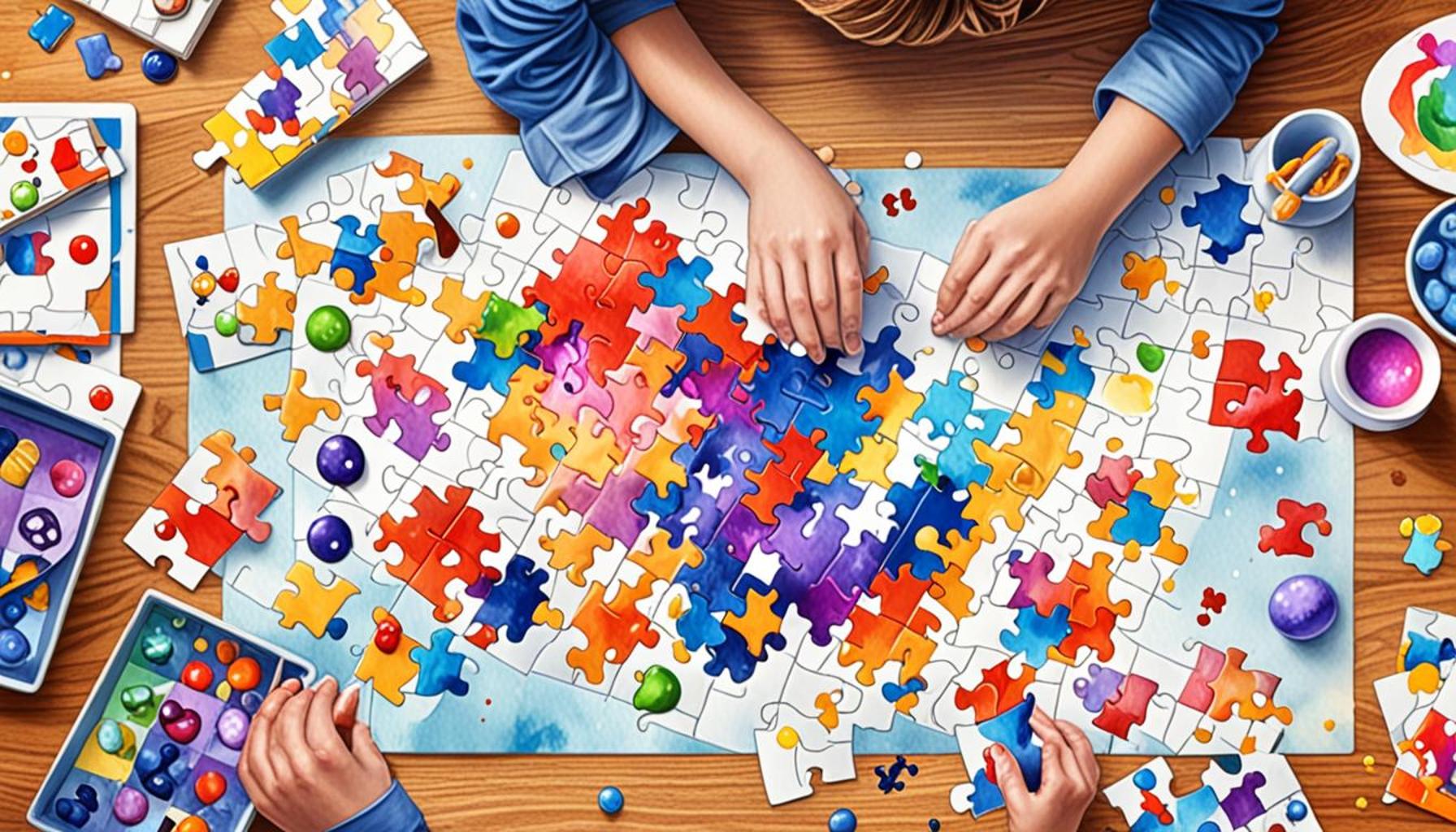
DIVE DEEPER: Click here to discover the benefits of puzzles for your mind
The Cognitive Advantages of Board Games
Board games offer a treasure trove of cognitive benefits, particularly when it comes to enhancing memory and mental agility. When players engage in a game, they are not merely participating in a pastime; they are challenging their brains with an array of stimuli that fosters improved cognitive functions. The intricate strategies, rules, and interactions inherent in many board games create an environment ripe for memory enhancement.
Cognitive Challenges and Memory Recall
Many modern board games require players to engage in various mental tasks simultaneously, such as remembering previous moves, strategizing future decisions, and evaluating opponents’ behaviors. This multifaceted approach strengthens memory recall and improves cognitive flexibility. For instance, the game Memory exemplifies this phenomenon, as participants are tasked with matching pairs of cards while recalling their placements. Studies have demonstrated that such exercises can significantly boost short-term memory, as players become adept at observing patterns and recalling specific details quickly.
Age-Appropriate Memory Benefits
Different age groups can yield distinct advantages from board gaming when it comes to memory. Children, for example, can benefit immensely from games that require counting or strategic thinking, which helps them develop foundational cognitive and memory skills. Games like Uno or Sequence teach young players to remember numbers and patterns, laying the groundwork for future learning. Similarly, older adults who participate in cognitively demanding board games may see a notable decrease in cognitive decline. Engaging in regular gameplay can help maintain their mental acuity, serving as a proactive measure against memory-related issues.
The Thrill of Socialization Through Board Games
In addition to boosting memory, board games are natural catalysts for socialization. The dynamics of playing a game often require players to interact closely with one another, whether they are collaborating on a shared goal or engaging in friendly competition. This interaction is fundamental in cultivating social skills, building relationships, and nurturing a sense of community. When players gather around a table, they are not just gaming; they are participating in an intricate dance of communication that can enhance their interpersonal abilities.
Key Social Skills Fostered by Board Games
- Communication: Articulating thoughts and strategies encourages clear, effective dialogue.
- Empathy: Understanding opponents’ perspectives or emotions is crucial for strategy games.
- Negotiation: Many games involve making deals, which requires players to articulate their needs and understand others’ motivations.
- Conflict Resolution: Competing interests often arise, prompting players to find mutually acceptable solutions.
The intersection of memory improvement and social interaction makes board games a powerful medium for personal growth. Social gatherings focused on gameplay not only strengthen existing relationships but also create new friendships through shared enjoyment. As players navigate the complexities of a game, they develop skills that are applicable far beyond the tabletop, underscoring the importance of board games as valuable tools for cognitive and social development.
| Advantage | Details |
|---|---|
| Enhanced Memory Skills | Board games engage players in strategic thinking and memory recall, helping improve cognitive functions across all ages. |
| Social Interaction | Playing board games fosters a social environment that encourages communication, teamwork, and the development of friendships. |
| Critical Thinking Development | Many board games require strategic planning and decision making, enhancing problem-solving skills over time. |
| Stress Relief | Engaging in board games can provide a fun escape, reducing stress and elevating mood through immersive play sessions. |
The social and cognitive benefits derived from board games are increasingly recognized in both educational and leisure contexts. Their influence extends beyond mere entertainment, acting as effective tools for fostering memory enhancement and socialization. For instance, memory-driven games like Scrabble and memory matching activities not only entertain but also serve to sharpen cognitive retention. In a communal setting, players practice social skills such as negotiation, empathy, and patience, which are vital for personal development. Additionally, avid players often report higher self-esteem and improved communication skills, enhancing their interaction in various social scenarios. Exploring these dimensions reveals a profound link between board games, memory development, and social bonding that invites further scrutiny and research.
DIVE DEEPER: Click here to discover how collaboration enhances problem-solving
The Social Dimension of Board Games
The impact of board games on socialization extends beyond mere interaction; they foster relationships and develop crucial life skills that are essential in today’s world. Board games create an inviting atmosphere for players of all ages, promoting engagement and collaboration. The aspect of socialization achieved through these games is vital, as research shows that regular social interaction can lead to improved mental health and overall well-being.
Building Communities Through Shared Experiences
Playing board games can build a sense of community, bridging generational divides and bringing together individuals with diverse backgrounds. Game nights can turn into traditions that reinforce social bonds, whether among families, friends, or even in workplace settings. For example, community game events organized in local libraries or coffee shops serve dual purposes: stimulating cognitive engagement while creating a space for social interaction. These initiatives highlight how board games can act as social glue, drawing people together in shared experiences. The widespread popularity of games like Catan and Ticket to Ride demonstrates how easy it is for people to gather, interact, and bond through shared interests.
Enhancing Communication Skills
In many ways, board games serve as effective tools for improving communication skills. The nature of gameplay often requires players to articulate their thoughts, strategies, and findings verbally. Whether it’s negotiating a deal in Monopoly or discussing tactics in Risk, players are compelled to express their ideas clearly in a way that resonates with others. This practice not only enhances verbal communication but also lays the groundwork for effective non-verbal communication, as players learn to read body language and respond to the social cues of others.
Intergenerational Learning and Bonding
One of the most beautiful aspects of board games is their ability to facilitate intergenerational learning. For instance, grandparents may introduce their grandchildren to classic games like Scrabble or Chess, while younger generations demonstrate modern titles such as Codenames or Azul. This exchange of knowledge can enrich the gaming experience and deepen familial relationships, transforming playtime into an avenue for shared learning and emotional bonding. Engaging in such activities not only fortifies familial ties but also cultivates mutual respect among different age groups.
Promoting Mental Health and Emotional Well-Being
Board games also have a profound influence on mental health, as they can mitigate feelings of isolation and loneliness. In an increasingly digital world, where face-to-face interactions can often take a backseat, board games serve as a reminder of the joy of human connection. Engaging in regular gameplay promotes laughter, shared stories, and teamwork, contributing positively to emotional well-being. Moreover, studies indicate that activities requiring collaboration, such as team-based board games, lower stress levels and can foster resilience in challenging times.
The interplay of cognitive enhancement and rich social interaction underscores the multifaceted benefits of board games. They not only nurture vital cognitive functions but also cultivate skills that are indispensable in everyday life, bridging gaps between different social strata while making lasting memories along the way.
DIVE DEEPER: Click here to enhance your skills
Conclusion: The Lasting Impact of Board Games
The significance of board games extends well beyond mere entertainment; they play an instrumental role in enhancing memory and fostering socialization among individuals of all ages. Through engaging gameplay, players not only sharpen cognitive abilities but also develop crucial interpersonal skills that allow for effective communication and relationship-building. As we have explored, these games bridge generational divides, promote meaningful interactions, and cultivate community bonds, all while providing a platform for laughter and shared experiences.
Furthermore, the psychological benefits are noteworthy. Board games have been shown to reduce feelings of isolation and encourage emotional well-being by creating an inclusive environment for social interaction. They foster resilience, enhance emotional intelligence, and mitigate stress, making them an ideal tool for promoting mental health. In a world increasingly dominated by digital interactions, board games serve as a refreshing reminder of the value of face-to-face connections.
As we reflect on the influence of board games on memory and social dynamics, it’s essential to recognize the potential they hold for broadening our individual and collective experiences. Game nights can become cherished traditions, creating opportunities for intergenerational bonding and mutual learning. With their ability to stimulate the mind and unify people, board games are not just simple pastimes; they are vital instruments that add depth to our social fabric and enrich our lives. Embracing this age-old pastime can undoubtedly unlock a treasure trove of positive experiences, reinforcing the importance of play in our everyday lives.