The Influence of Logic Challenges on Improving Memory and Concentration
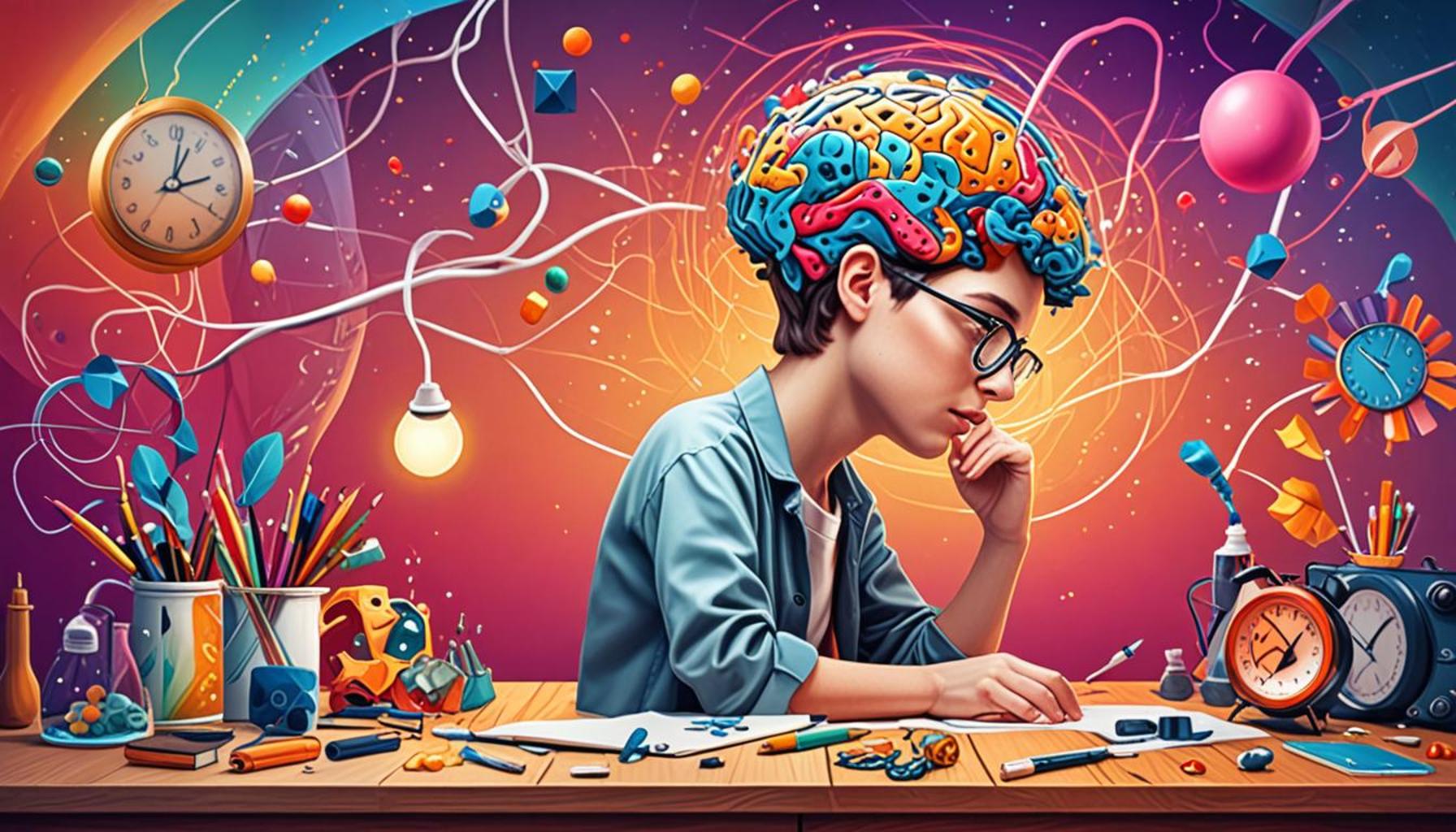
Unlocking the Power of Logic Challenges
In a world buzzing with distractions, the quest for enhanced mental acuity is more vital than ever. Engaging in logic challenges has emerged as a promising strategy to bolster both memory and concentration. By tackling these intellectual puzzles, individuals can sharpen their cognitive abilities while enjoying a stimulating pastime.
Consider the following benefits of solving logic challenges:
- Enhanced Memory: Regular engagement helps to strengthen neural pathways, making recall easier. Studies have shown that activities like memory games can improve short-term memory retention. For instance, researchers observed that older adults who engaged in brain-training exercises demonstrated significant improvement in their ability to recall information over time.
- Improved Concentration: Focusing on intricate patterns hones attention skills, translating to better performance in daily tasks. Logic puzzles require sustained effort and concentration, which can help train the brain to focus better during routine activities, whether that’s at work, studying, or engaging in conversations.
- Problem-Solving Skills: Mastering puzzles cultivates critical thinking and adaptability in varying contexts. For example, engaging with chess problems not only sharpens strategic thinking but also enhances decision-making abilities under pressure, a skill that is highly valuable in personal and professional environments.
As studies illuminate the connection between mental exercises and cognitive health, the appeal of logic challenges is growing. From crossword puzzles to Sudoku, these activities are not just pleasurable but can also lead to measurable improvements in our brain function. According to recent surveys, adults who regularly participate in brain games report greater mental clarity and less cognitive decline compared to those who do not engage in such activities.
Why Logic Challenges Work
What factors make these challenges so effective? The answer lies in their ability to engage various cognitive processes and stimulate areas of the brain associated with memory retention and focus. Logic challenges often require individuals to recognize patterns, strategize, and multitask—skills that are crucial for day-to-day functioning.
Moreover, the engagement that comes from solving puzzles releases dopamine, a neurotransmitter that plays a key role in feelings of pleasure and motivation. This neurological reward system not only makes the act of solving puzzles enjoyable but also encourages continued participation, forming a beneficial cycle of cognitive enhancement.

As we dive deeper into the science, we will uncover how these seemingly simple games serve as powerful tools in enhancing overall mental dexterity. Whether it’s through an app on your smartphone or in the pages of a magazine, integrating logic challenges into your routine could very well lead you to a sharper, more agile mind.
DISCOVER MORE: Click here to learn about the benefits of puzzles
The Cognitive Benefits of Logic Challenges
Engaging with logic challenges is more than just a recreational activity; it serves as a means of sustaining and enhancing cognitive health. Various studies suggest that these exercises stimulate multiple areas of the brain, promoting a sharper memory and increased concentration over time. But how exactly does this occur? Understanding the brain’s response to logic challenges can shed light on their lasting benefits.
At the core of the impact of logic challenges lies the principle of neuroplasticity—the brain’s remarkable ability to reorganize itself by forming new neural connections throughout life. Activities that require focused thinking and problem-solving effectively cultivate this adaptability. According to researchers, even brief sessions of engaging with puzzles can lead to measurable changes in cognitive performance.
Here are some key ways that logic challenges foster memory and concentration:
- Strengthened Neural Pathways: Just as physical exercise builds muscle, brain games reinforce neural pathways connected to memory and concentration. By consistently solving puzzles, individuals can improve their short-term memory and quickly recall information when needed.
- Increased Attention Span: Focusing on complex patterns and solutions trains the brain to sustain concentration for longer periods. This practice is essential in an age filled with distractions, allowing individuals to enhance their productivity in both personal and professional settings.
- Exercise in Critical Thinking: Logic challenges cultivate analytical thinking and foster decision-making skills. Whether it is a Sudoku grid or a logic grid puzzle, tackling these challenges requires players to draw upon reasoning and strategy, skills that can enhance problem-solving in real-life situations.
Furthermore, it is critical to note that these benefits are not limited to a particular age group. Across various studies, from children to older adults, logic challenges have shown promising potential to improve cognitive outcomes. For instance, a study from the University of California noted that participants who engaged in 20 minutes of brain games daily for 12 weeks experienced improved focus and memory retention compared to a control group.
As technology advances, the variety of available logic challenges is expanding. Digital platforms offer access to a multitude of puzzles—ranging from simple crosswords to complex strategy games—making it easier than ever to incorporate these cognitive exercises into daily routines. Incorporating such activities can serve not only as mental stimulation but also as a fun and engaging break from the routine.
The increasing evidence supporting the efficacy of logic challenges as tools for memory and concentration enhancement underscores the necessity to make them a part of our lives. As we explore more about how these challenges initiate changes in brain function, we begin to understand their importance in promoting a resourceful and vibrant mind.
| Advantages | Benefits |
|---|---|
| Enhanced Cognitive Skills | Engaging in logic challenges fosters critical thinking and problem-solving, essential for daily tasks and professional success. |
| Improved Memory Retention | Regular participation in memory games and puzzles helps strengthen neural connections, aiding in the retention of information and enhancing overall memory. |
The significance of engaging in logic challenges cannot be overstated when it comes to enhancing cognitive abilities. Studies suggest that individuals who frequently tackle puzzles and logic games exhibit a measurable improvement in memory and concentration over time. These activities not only stimulate various brain regions but also create pathways that facilitate quicker cognitive processing. Popular logic challenges, such as Sudoku and brain teasers, have become essential tools for those seeking to sharpen their mental acuity.Moreover, incorporating such challenges into daily routines has practical benefits. For example, adults aiming to stay mentally fit often utilize these activities to combat age-related cognitive decline. Meanwhile, students who practice logic and memory exercises are more likely to excel academically due to quicker recall and better focus during studies. This synergy between enjoyment and education creates an environment ripe for learning, while also providing a constructive outlet for stress relief. By exploring the myriad ways logic challenges can influence memory and concentration, readers will better appreciate their value in cognitive development.
LEARN MORE: Click here to dive deeper
How Logic Challenges Foster Cognitive Resilience
While the cognitive benefits of engaging with logic challenges are well-established, delving deeper into how these activities cultivate cognitive resilience reveals their profound impact on memory and concentration. Cognitive resilience refers to the brain’s ability to cope with, adapt to, and recover from challenges, including stressors and cognitive decline. Logic challenges play a crucial role in fostering this resilience, enhancing not only individual performance but also overall quality of life.
One significant aspect of this cognitive resilience is the role of strategic thinking. When confronted with a logic puzzle, the brain is not merely recalling information; it is actively engaging with the problem, assessing different approaches, and determining the most effective path to a solution. This process is akin to navigating obstacles in real life, where flexibility and critical thinking are paramount. For instance, young learners who regularly participate in logic challenges tend to develop better problem-solving skills in academic settings, reflecting how these activities translate into improved performance in the classroom.
A fascinating component of engaging with logic challenges is the way they cultivate a growth mindset. Participants quickly learn that persistence is key to overcoming challenging puzzles. As these individuals confront difficulties and find solutions, they reinforce the belief that intelligence and ability can grow through effort and practice. Research from Stanford University highlights that individuals with a growth mindset face challenges more enthusiastically and are more likely to achieve long-term success in cognitive tasks, including memory and concentration.
The potential therapeutic benefits of logic challenges are also gaining attention. Intervention studies involving older adults have shown that engaging with these puzzles can delay the onset of cognitive decline associated with aging. For example, research from the American Academy of Neurology suggests that older adults who regularly solve crosswords or engage in logic-related games exhibit a slower decline in memory and cognitive functions compared to inactive peers. By incorporating logic challenges into daily life, individuals can bolster their mental faculties for the long haul.
Moreover, the social aspect of participating in logic challenges, whether through online platforms or in-person groups, enhances the experience. Cognitive scientists assert that social interactions during these activities can further stimulate brain activity by integrating emotional and intellectual engagement. Collaborative puzzles or competition-based logic games foster camaraderie and increase motivation, making the cognitive benefits not only a personal endeavor but also a social pursuit.
As such, integrating logic challenges into daily routines can serve as a multifaceted approach to enhancing memory, concentration, and overall cognitive health. From children developing critical foundational skills to older adults maintaining their mental sharpness, logic challenges hold the promise of fostering cognitive resilience across various demographics. The richness of options available, from traditional puzzles to modern gaming applications, allows easy accessibility, making it incredibly important for individuals to find time for these beneficial pursuits.
In an era characterized by rapid changes and increasing cognitive demands, recognizing the influence of logic challenges can empower individuals to actively manage and enhance their cognitive health. The engagement and enhancement of memory and concentration through these exercises embody not only a pursuit of personal growth but also a commitment to maintaining a vibrant and agile mind.
DISCOVER MORE: Click here to enhance your problem-solving skills
Conclusion: Embracing Logic Challenges for Cognitive Growth
In conclusion, the influence of logic challenges on improving memory and concentration is far-reaching and multifaceted. Engaging with these cognitive exercises not only enhances brain function but also builds cognitive resilience, allowing individuals to tackle life’s mental demands with greater ease. The skill of strategic thinking honed through puzzles empowers individuals to approach problems creatively, fostering adaptability and perseverance.
Moreover, the cultivation of a growth mindset through logic challenges encourages the belief that cognitive abilities can expand with effort, leading to long-term success in memory and attention-related tasks. Research highlights how these activities can significantly impact various age groups, from students developing essential academic skills to older adults slowing cognitive decline.
As society navigates increasingly complex demands on cognitive resources, the simple act of integrating logic challenges into daily life can be a powerful tool for mental maintenance. Beyond individual benefits, the social engagement found in solving puzzles collaboratively enhances the overall experience, creating a community of learners united by challenge and persistence.
By prioritizing logic challenges as a regular part of our routines, we not only invest in our cognitive health but also embrace a lifelong journey of growth and discovery. As we recognize the profound effects these activities can have on our memory and concentration, we can take proactive steps toward a sharper, more agile mind, ready to meet the challenges of tomorrow.