The Connection Between Logic Challenges and Emotional Intelligence: Developing Resilience and Adaptability
Understanding the Connection
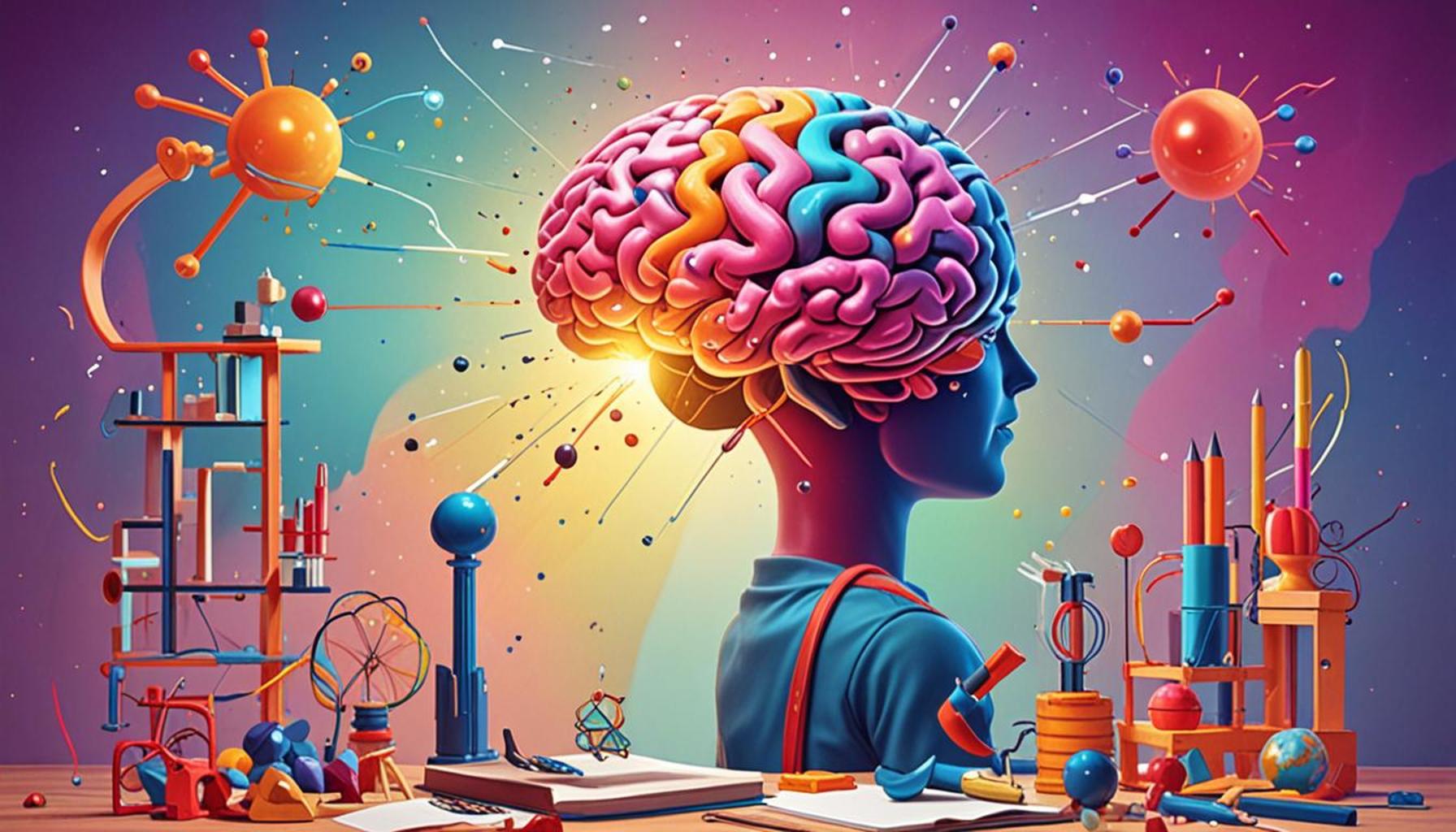
The modern landscape of personal and professional dynamics is evolving continuously, with emotional intelligence (EI) and logical reasoning becoming two critical components in nurturing resilient individuals. While these domains might appear to be distinct, recent explorations reveal that enhancing one’s logical thinking can effectively improve emotional awareness and regulation. As we navigate through this discussion, we shed light on their interconnected nature and how they can enrich our lives both personally and professionally.
Firstly, let’s examine the concept of logic challenges. Engaging in puzzles such as Sudoku or brain teasers does not merely serve as entertainment; these activities actively stimulate critical thinking and sharpen problem-solving skills. For instance, when faced with a complex logic puzzle, individuals must assess various possibilities, consider multiple perspectives, and arrive at solutions based on reason. This enhanced ability to reason can translate to improved decision-making in emotional contexts, allowing individuals to confront emotional challenges with clarity of thought.
Moreover, emotional regulation is an essential component of emotional intelligence, allowing individuals to maintain composure during stressful situations. When faced with unexpected challenges at work, such as a tight deadline or a conflict with a colleague, having well-developed logic skills can help one to dissect the issue methodically and respond rather than react emotionally. In this way, logical thinking can foster a sense of calm that is essential for effective communication and conflict resolution.
Resilience, the capacity to bounce back from setbacks, is another critical aspect where the fusion of logic and emotion plays a vital role. Individuals who practice logical reasoning often find themselves better equipped to handle disappointments as they can analyze situations more objectively. For example, after receiving constructive criticism at work, a person adept in logical reasoning might evaluate the feedback into actionable insights rather than feeling demoralized. This mindset shift can lead to personal growth and increased perseverance.
Furthermore, the ability to adapt to new environments or social dynamics is integral to success in today’s world. Adaptability is enhanced by broader reasoning capabilities, allowing individuals to assess new information and adjust their emotional responses accordingly. Employees who engage in regular logic puzzles may find that their flexibility in thought translates to improved teamwork and collaboration, as they are more open to others’ perspectives and ideas.

Research supports the idea that engaging in logic puzzles promotes not only cognitive skills but also vital emotional traits such as patience and empathy. For example, someone who regularly tackles intricate problems might develop a deeper understanding of their emotions and those of others. This heightened emotional awareness fosters more meaningful interactions and relationships, both personally and professionally.
As we explore these connections, we invite readers to discover diverse strategies to enhance both resilience and adaptability through targeted logic challenges. Simple activities, such as joining a local math or puzzle-solving club or using online brain-training apps, can cultivate these essential skills.
Embarking on this journey requires an open mind and a commitment to growth. By weaving together the threads of logic and emotion, individuals can strive not only for personal achievement but also create enriching relationships and professional networks, ultimately resulting in a more fulfilling existence.
LEARN MORE: Click here to discover the impact of logical reasoning games
Logic Challenges as Tools for Emotional Awareness
Engaging with logic challenges is not simply a pastime; it is a means to cultivate essential emotional intelligence skills that are necessary in both personal and professional realms. At their core, these puzzles require a meticulous level of thought that involves more than just straightforward calculations—they provoke a deeper analysis that impacts our emotional responses and decision-making abilities. Thus, understanding how these challenges relate to emotional intelligence can lead to significant personal development.
One of the most profound effects of tackling logic challenges is the enhancement of critical thinking. This form of thinking necessitates an examination of the underlying principles behind problems and encourages individuals to consider various outcomes before arriving at a solution. In doing so, participants learn to remain composed and rational during emotionally charged situations. The ability to think critically and remain objective can be incredibly valuable in high-pressure scenarios, such as negotiations or performance reviews, fostering a sense of control over one’s emotions.
Active engagement in logic-based activities has been shown to yield tangible benefits for emotional regulation. Here are some key ways this connection unfolds:
- Improved Emotional Recognition: Logic challenges can enhance one’s ability to recognize and categorize emotions in oneself and others, leading to better interpersonal interactions.
- Enhanced Problem Solving: By dissecting a problem logically, individuals are less likely to let their emotions cloud their judgment, resulting in better decisions.
- Increased Patience: Many logic puzzles require time and persistence to solve, fostering patience that can be beneficial when managing emotional responses in real-world situations.
Furthermore, the practice of learning from mistakes—an inherent aspect of tackling logic challenges—teaches resilience. Essentials for this practice include accepting defeat as part of the learning experience and striving to find solutions to errors without becoming disheartened. For instance, a person who encounters a complex puzzle and struggles to find the solution can develop a mindset that views challenges as opportunities for growth rather than insurmountable obstacles.
In the face of challenges, whether in social contexts or workplace dynamics, the combination of logical reasoning and emotional intelligence can lead to a more adaptable mindset. Individuals who excel in logic activities are often found to be more flexible in their thinking and more receptive to change and new ideas. This adaptability enhances their ability to navigate complex social landscapes and fosters a collaborative spirit that is vital in today’s interconnected world.
In summary, there is a powerful synergy that exists between logic challenges and emotional intelligence. By improving critical thinking skills through engaging in logic puzzles, individuals not only enhance their cognitive faculties but also fortify their emotional resilience. This dual development ultimately leads to a more confident, adaptable, and well-rounded character, capable of thriving amidst uncertainty and complexity.
In the intricate web of human cognition and emotions, the interplay between logic challenges and emotional intelligence plays a crucial role in developing resilience and adaptability. Engaging in logic challenges not only sharpens analytical skills but also enhances one’s ability to navigate emotionally charged situations.Understanding and solving logic problems demands critical thinking, a skill that can translate into effectively managing personal and social dilemmas. By consistently engaging with these challenges, individuals train their minds to remain composed under pressure, fostering a thoughtful response rather than an emotional reaction. Furthermore, this process encourages the development of a strong sense of self-awareness. As one encounters difficulties, they learn to recognize their emotional triggers and how these responses can fluster logical thinking.Additionally, emotional intelligence—often defined as the ability to identify, understand, and manage emotions—complements the problem-solving aspects of logic challenges. This dual skill set promotes resilience; individuals become adept at bouncing back from setbacks. With higher emotional intelligence, they can better empathize with others, leading to enhanced collaboration and support systems. These social connections reinforce resilience, as they provide individuals with resources for navigating life’s complexities.Logic challenges create a safe space for individuals to explore both their cognitive and emotional capabilities. As they progress through these tasks, they develop adaptability, a vital skill in today’s ever-changing world. The ability to pivot and approach problems from multiple angles is enhanced through this unique combination of skills. As each puzzle is solved, individuals gather insights not just into the mechanics of the challenge, but also into deeper emotional patterns that govern their responses.Harnessing the synergy between logic challenges and emotional intelligence opens pathways to a well-rounded personal development journey. By integrating analytical prowess with emotional awareness, individuals position themselves to thrive in both professional and personal arenas, becoming thriving examples of resilience and adaptability. Through this lens, one can appreciate how critical thinking and emotional insight work harmoniously, paving the way for a more adept and resilient society.
DISCOVER MORE: Click here to dive deeper
The Role of Logic Challenges in Building Resilience and Adaptability
As we delve deeper into the connection between logic challenges and emotional intelligence, it’s crucial to highlight how these mental exercises contribute to the development of resilience and adaptability in daily life. Resilience, defined as the ability to bounce back from adversity, is increasingly recognized as a vital trait in today’s fast-paced environment, where change is the only constant. Engaging in logic challenges can significantly bolster this ability, equipping individuals with the tools necessary to face life’s unpredictability with courage.
One of the fundamental ways logic challenges foster resilience is through the concept of “trial and error.” Completing complex puzzles often involves numerous attempts and various strategies, creating a safe space to experience failure without real-world consequences. This repeated exposure to failure teaches individuals that stumbling blocks can be viewed positively; they can become steps toward ultimate success. For instance, a student working on a challenging math problem learns to adapt their strategy based on what did not work previously, instilling a mindset that views errors as valuable lessons.
Moreover, logic challenges stimulate a growth mindset, an essential aspect of emotional intelligence. This mindset promotes the belief that skills and abilities can be developed over time through effort and learning. Research from psychologist Carol Dweck highlights that individuals with a growth mindset are more willing to embrace challenges and persist despite setbacks. Logic puzzles serve as the perfect platform for fostering this mindset, encouraging participants to modify their approaches and embrace creative problem-solving.
Adaptability, closely linked to resilience, refers to the skill to adjust effectively to new conditions. Logic challenges require quick thinking and flexibility, prompting individuals to rearrange their thought processes as they tackle new types of puzzles. For example, a puzzle that suddenly introduces an unforeseen variable can create a challenge reminiscent of workplace scenarios where conditions frequently change. By regularly engaging with these scenarios in a controlled environment, participants can enhance their ability to pivot under unexpected pressures in real life.
Furthermore, the practice of engaging with different logic problems encourages a broadening of cognitive styles. Research indicates that juggling multiple perspectives during problem-solving exercises enhances creative thinking, allowing individuals to view opportunities through diverse lenses. Such cognitive flexibility is crucial in both personal and professional interactions, enabling individuals to navigate varied social environments and collaborate effectively with others. Participants can develop an intrinsic understanding of how diverse ideas can converge to produce innovative solutions, thereby enhancing their adaptability.
The neurobiological aspect of tackling logic challenges also provides insight into their role in emotional intelligence development. Engaging in mentally stimulating activities has been shown to promote neuroplasticity—the brain’s ability to reorganize itself by forming new neural connections. As participants confront and solve logic puzzles, they train their brains to respond to complex emotional stimuli with vigor and agility. This aspect mirrors the emotional resilience needed to confront life’s myriad challenges, thereby highlighting the profound interconnectedness of logic challenges and emotional growth.
In essence, the role of logic challenges transcends mere amusement; they are powerful agents for developing emotional intelligence traits such as resilience and adaptability. Through fostering a growth mindset, promoting flexibility in thought, and enhancing problem-solving skills, individuals can better navigate the complexities of life and emerge stronger and more capable in the face of adversity.
DIVE DEEPER: Click here to discover how logic puzzles can enhance your creativity
Embracing Logic Challenges for Emotional Growth
In conclusion, the exploration of logic challenges as a conduit for enhancing emotional intelligence reveals a multidimensional approach to personal development. By regularly engaging in these cognitive exercises, individuals not only sharpen their analytical skills but also cultivate essential traits like resilience and adaptability. The trial-and-error nature of logic puzzles empowers learners to perceive failures as opportunities for growth, thereby fostering a constructive mindset that thrives in the face of adversity.
Furthermore, these challenges promote a stronger connection between thought processes and emotional responses. This neurobiological impact, marked by increased neuroplasticity, enables individuals to adapt swiftly to changing circumstances, reflecting the skills necessary to navigate an unpredictable world. In today’s dynamic environment, the capability to pivot and recalibrate one’s approach is invaluable, whether in personal relationships or professional settings.
By embracing the benefits of logic challenges, individuals can unlock a pathway to enhanced emotional understanding and resilience. They are not just engaging in games or puzzles; they are shaping their future selves—more adaptable, more resilient, and ultimately more successful. As we face an increasingly complex landscape, welcoming the intersection of logic and emotional intelligence may very well be the key to mastering life’s challenges.