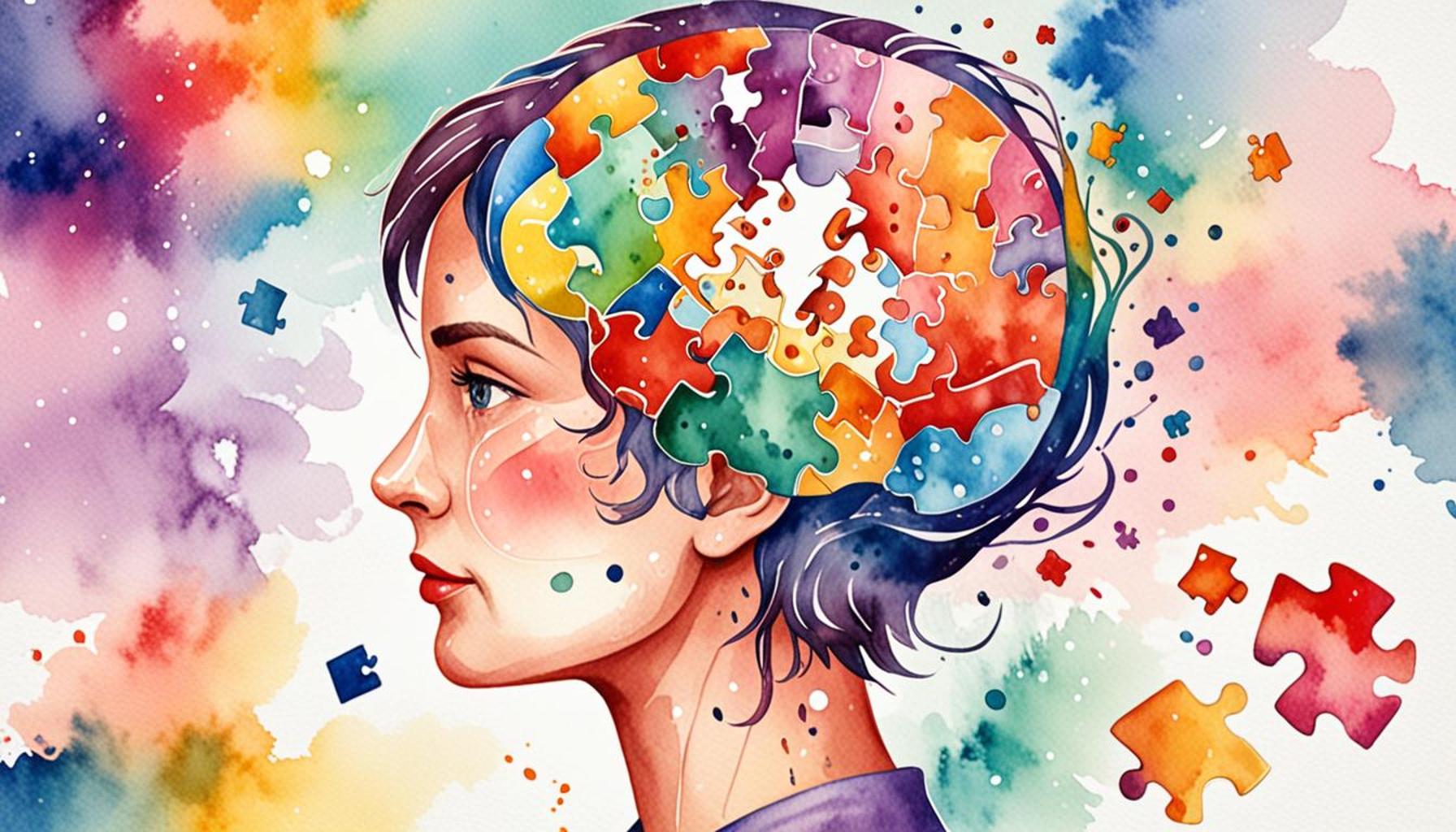
The Psychology Behind Logic Challenges: How They Affect Human Behavior
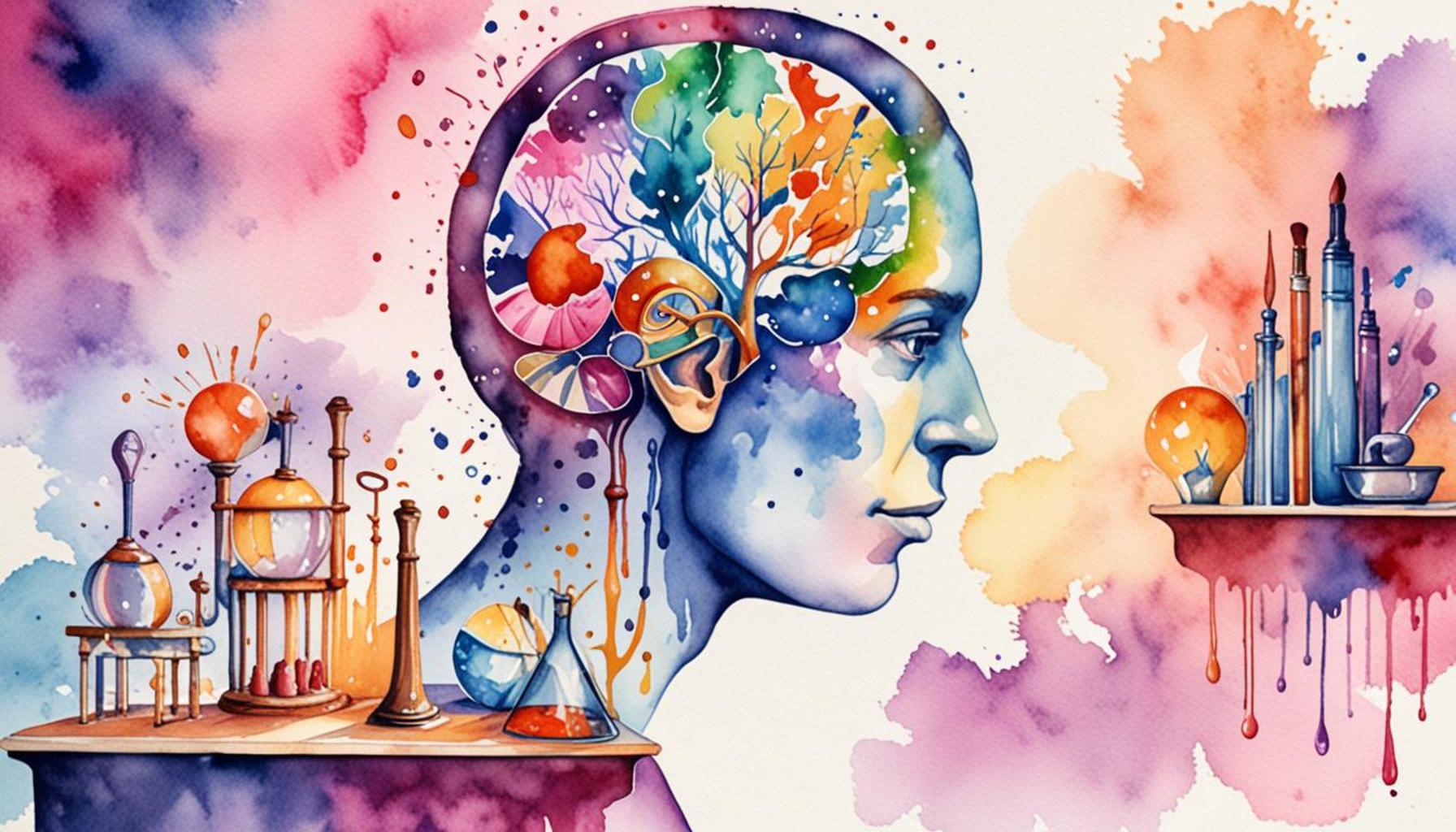
Understanding the Intricacies of Logic Challenges
Logic challenges captivate minds with their intricate nature, serving as compelling tools for exploring human cognition. Engaging with these mental puzzles not only sharpens our analytical skills but also influences various aspects of our behavior, leading to a richer understanding of how we think and function in everyday scenarios. But how exactly do these challenges mold our psychological landscape?
- Cognitive Development: Solving logic puzzles enhances critical thinking skills. For example, puzzles such as Sudoku or riddles require players to analyze the information at hand, make connections, and apply deductive reasoning. This process trains the brain to recognize patterns and develop structured thinking, skills essential for academic success and professional problem-solving.
- Emotional Response: The rollercoaster of emotions experienced while tackling these challenges can be quite revealing. Feelings of frustration when stuck or the joy of finding a solution shape our emotional resilience. Engaging in logic challenges forces us to navigate these ups and downs, teaching valuable lessons in emotional regulation and persistence.
- Social Dynamics: When faced with logic challenges in group settings, such as escape rooms or team competitions, participants often experience enhanced collaboration and communication. These scenarios require pooling knowledge and skills, fostering a sense of camaraderie while also teaching conflict resolution when disagreements arise about the best solution path.
Research highlights that engaging with logic challenges offers substantial cognitive benefits, including enhanced memory and improved analytical abilities. More intriguing is the observation that the strategies employed during these puzzles often mirror our personal thought processes and preferred problem-solving styles, revealing much about our individual cognitive traits.
The Impact on Decisions and Behavior
Exploring the psychological implications of logic challenges unveils how they relate to our decision-making tendencies, especially when faced with complex problems. Key insights include:
- Risk Assessment: The manner in which we approach potential solutions often parallels real-life decision-making scenarios. For instance, someone who prefers a cautious, methodical strategy in a logic puzzle might exhibit similar tendencies in financial decisions, evaluating risks carefully before choosing an investment.
- Stress Management: How we cope with setbacks during a challenge can say a lot about our overall approach to stress. Individuals who take a break or seek alternative methods to tackle a difficult puzzle may have healthier coping mechanisms in high-pressure situations outside of the game environment.
- Perseverance: A person’s willingness to persist in solving a challenging puzzle can indicate their motivation levels in life. This perseverance can influence various aspects of one’s existence, from academic pursuits to personal relationships, showcasing the profound impact of simple mental challenges.
Diving into the psychology of logic challenges not only informs us about our cognitive processes but also helps us understand our interactions within the broader social world. Each puzzle offers a unique lens through which we can examine personal growth, emotional maturity, and collaborative skills, underscoring the enriching potential of these mentally stimulating activities. The implications of engaging with these challenges extend far beyond mere entertainment, presenting a fascinating opportunity to enhance both individual and collective capacities.
EXPLORE MORE: Click here to enhance your problem-solving skills!
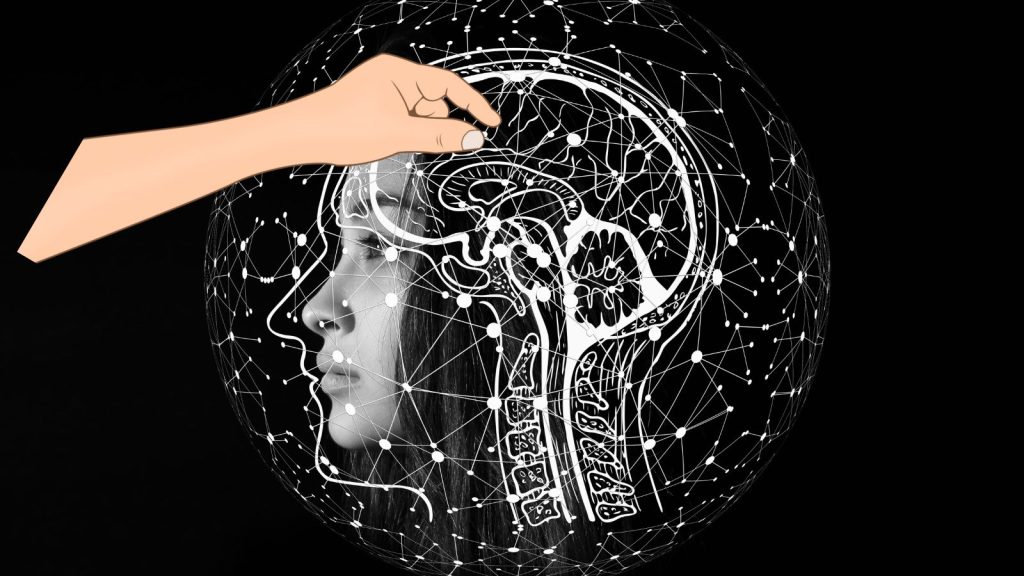
Unpacking Cognitive Enhancements Through Logic Challenges
Logic challenges are more than just brain teasers; they represent a fascinating intersection of psychology and cognition, where engaging with these puzzles cultivates critical mental faculties that extend far beyond the confines of the games themselves. Whether you are working through a complex Sudoku or deciphering an intricate riddle, each challenge demands a range of cognitive processes that significantly influence our behavior and decision-making patterns.
One of the most pronounced effects of engaging with logic puzzles is the remarkable enhancement of critical thinking skills. Various studies have shown that solving these puzzles can lead to improved cognitive flexibility—the ability to adapt one’s thinking in response to new and unexpected situations. This skill is not only essential in academic environments but also crucial in everyday life, where rapid change and complex problem-solving are the norms. According to research published in the journal “Cognitive Psychology,” individuals who regularly engage with logic puzzles demonstrate superior problem-solving capabilities compared to those who do not.
- Pattern Recognition: Logic challenges often require players to identify patterns and establish relationships among different elements. This process enhances the brain’s natural inclination toward pattern recognition, a skill that has significant implications in areas such as mathematics, science, and even art appreciation.
- Analytical Reasoning: Furthermore, tackling logic puzzles encourages robust analytical reasoning, as players must evaluate problems methodically. This is not limited to recreational brain games; analytical skills gained from logic challenges can translate into significant workplace advantages, enabling individuals to approach complex projects with a structured and effective mindset.
- Memory Enhancement: Engaging with these mental exercises also boosts memory retention. Studies indicate that frequent involvement with logic puzzles can enhance both short-term and long-term memory capabilities, as individuals learn to store and recall information more effectively. This is particularly relevant in a digital age where information overload can be overwhelming but is essential for daily functioning.
The cognitive improvements stemming from logic challenges also shed light on the emotional dynamics experienced during these activities. When individuals confront a particularly challenging puzzle, they often experience a range of emotions from frustration to elation—as they inch closer to a solution. The way we deal with these emotional highs and lows speaks volumes about our overall emotional intelligence and resilience. Research conducted by psychologists suggests that those who regularly solve logic puzzles develop healthier emotional coping strategies, improving their ability to manage stress and setbacks in their daily lives.
The importance of these psychological insights cannot be understated. As we delve deeper into the cognitive impact of logic challenges on our behavior, it becomes evident that the process of problem-solving in a structured, logical way develops not only our mental agility but also our emotional and social skills. This is particularly relevant in contexts where collaboration and teamwork are vital. Whether it’s in academic settings, professional fields, or even social activities, the skills cultivated through logic challenges play a crucial role in molding successful interpersonal interactions and decision-making processes.
| Category | Details |
|---|---|
| Cognitive Development | Logic challenges stimulate critical thinking and enhance problem-solving abilities, fostering cognitive growth. |
| Emotional Satisfaction | Successfully solving logic challenges leads to a release of dopamine, which enhances motivation and promotes a sense of accomplishment. |
The realm of logic challenges significantly impacts human behavior beyond mere entertainment. Engaging with these puzzles not only promotes cognitive development but also acts as a conduit for emotional satisfaction. Cognitive skills such as critical thinking, pattern recognition, and analytical reasoning are refined through constant exposure to these challenges. Research suggests that individuals who regularly engage with logic puzzles often display improved decision-making skills and heightened intellectual curiosity.Moreover, these challenges have a profound effect on our emotional state. Achieving success in a particularly tricky puzzle can trigger the brain’s reward system, releasing serotonin and dopamine that enhance feelings of pleasure and motivation. This intricate relationship between succeeding at logic challenges and emotional wellness paves the way for further exploration of how logic plays a crucial role in shaping our mental and emotional landscapes. Understanding these dynamics not only encourages participation in logic challenges but also invites an examination of their potential in fostering resilience and adaptability in human behavior.
DIVE DEEPER: Click here to uncover the psychology behind problem-solving in logic games
The Role of Logic Challenges in Social Development
While the cognitive benefits of engaging with logic challenges have been clearly established, the influence of these puzzles on social behavior and interpersonal skills is equally profound. These activities promote not just individual skill enhancement; they also foster collaborative learning environments where shared problem-solving becomes fundamental. This aspect is especially critical in a country like the United States, where teamwork and collaboration are vital in educational and professional settings.
Participation in group logic challenges, whether through formal competitions or casual gatherings, allows individuals to experience social dynamics that significantly enhance their communication skills. A study published in “Social Psychology” illustrates that individuals who regularly engage in collaborative logical problem-solving display higher levels of social cohesion and better emotional understanding of their peers. The interpersonal exchanges during these challenges facilitate a deeper understanding of group dynamics and allow participants to navigate differing viewpoints effectively.
- Conflict Resolution: Logic challenges often require discussing approaches to problem-solving, which can lead to healthy debates and disagreements. This interaction sharpens one’s ability to resolve conflicts amicably by using logic and reason rather than emotional reactions.
- Empathy Development: As participants strive to articulate their thought processes and listen to others, they cultivate greater empathy. Understanding diverse perspectives is vital not only in a social context but also in professional environments, where teamwork often drives project success.
- Leadership Skills: Navigating through logic problems in groups can also unveil latent leadership qualities. Those who guide their peers through challenges often enhance their ability to lead with confidence and support others in reaching collective goals.
Logic challenges are also intertwined with patience and perseverance, qualities that are invaluable in today’s fast-paced world. The act of sticking with a tough puzzle, despite potential setbacks, cultivates resilience—a trait that is instrumental in various life contexts. As research indicates, individuals who regularly engage in such cognitive exercises tend to develop a growth mindset, understanding that effort and persistence can lead to eventual success. This psychological shift can extend beyond puzzles and into academic and professional pursuits, ultimately affecting how one tackles obstacles in more complex situations.
Moreover, logic puzzles create opportunities for community building. Groups of individuals, whether they are friends, family, or colleagues, can bond over shared challenges. These social interactions foster a sense of belonging and camaraderie, which is crucial in combating feelings of isolation prevalent in modern society. Engaging in logical problem-solving together can serve as a foundation for building lasting relationships.
The emotional rollercoaster of solving logic puzzles— the thrill of a breakthrough coupled with the disappointment of a difficult dead end—varies person to person, but it collectively teaches invaluable lessons about the human experience. Participants often report feeling a sense of accomplishment and joy once they overcome obstacles, which reinforces positive behaviors and encourages a proactive approach to future challenges. The psychology behind these experiences reveals a transformative impact on human behavior, demonstrating how logic challenges are not only mental workouts but also frameworks for personal and social development.
DIVE DEEPER: Click here to unlock the secrets
Conclusion
In summary, logic challenges extend far beyond mere entertainment or intellectual exercises; they are potent tools that shape human behavior and drive social engagement. As demonstrated, these challenges not only enhance cognitive abilities but also play a crucial role in developing essential interpersonal skills, such as communication, empathy, and conflict resolution. The insights gained from tackling complex puzzles equip individuals with the tools necessary for navigating both personal and professional landscapes.
The collaborative nature of engaging with logic puzzles fosters a sense of community, encouraging individuals to forge deeper connections with others. Each breakthrough or setback experienced during these challenges can strengthen bonds among peers, serving to combat social isolation—a pervasive issue in today’s fast-paced world. Furthermore, consistent participation in logic challenges cultivates a mindset geared toward resilience and growth, helping individuals approach future obstacles with confidence and creativity.
As we venture further into an era dominated by rapid technological advancements and shifting social dynamics, the importance of logic challenges cannot be understated. They serve as a vital bridge between cognitive enhancement and social well-being, urging us to embrace both intellectual and emotional growth. For those interested in the intricate workings of human behavior, exploring the link between logical reasoning and social capabilities opens up new avenues for understanding ourselves and our interactions within society.
In an age where problem-solving and collaboration are more critical than ever, understanding the psychology behind logic challenges provides invaluable insights into how we can better ourselves and our communities. Embrace these mental workouts not just as puzzles to solve but as gateways to developing a more connected and enlightened society.