Famous Brain Teasers: Unraveling the Riddles that Challenged Generations
Understanding Brain Teasers
Brain teasers, throughout history, have served not just as recreational diversions but also as tools for sharpening our cognitive functions. These intricate puzzles often combine elements of logic, mathematics, and lateral thinking, encouraging participants to view challenges from multiple perspectives. Their persistent popularity can be attributed to their unique ability to engage various aspects of our intellect and creativity.
Take, for instance, The Riddle of the Sphinx, a legendary puzzle featured in ancient Greek mythology. This riddle posed an enigmatic question, which, when solved correctly, allowed Oedipus to proceed on his journey while proving his adeptness at problem-solving. The Sphinx’s riddle—”What walks on four legs in the morning, two legs in the afternoon, and three legs in the evening?”—challenges individuals to think metaphorically about the stages of human life. The answer, “a human,” symbolizes the evolution and growth experienced throughout one’s existence.
On a different note, the Monty Hall Problem, rooted in probability theory, continues to perplex even the most astute mathematicians. This problem illustrates the counterintuitive nature of probability, where switching choices after a door has been revealed statistically increases one’s chances of winning, yet many intuitively resist this notion. Such examples reveal how brain teasers can not only test our reasoning but force us to confront and rethink our intuitive beliefs.
Benefits of Engaging with Brain Teasers
Engaging with brain teasers provides an array of psychological and cognitive benefits. One of the primary advantages includes enhancing problem-solving skills, a competency crucial in both personal and professional realms. For instance, individuals who regularly tackle brain teasers might find themselves better equipped to devise innovative solutions to complex challenges at work.
Moreover, brain teasers can boost mental agility. They require quick thinking and adaptability, skills that are increasingly essential in today’s fast-paced world. Puzzles often utilized during family game nights or within educational settings also foster teamwork and collaboration. By working together to unravel a particularly challenging riddle, group members develop communication skills and deeper connections.
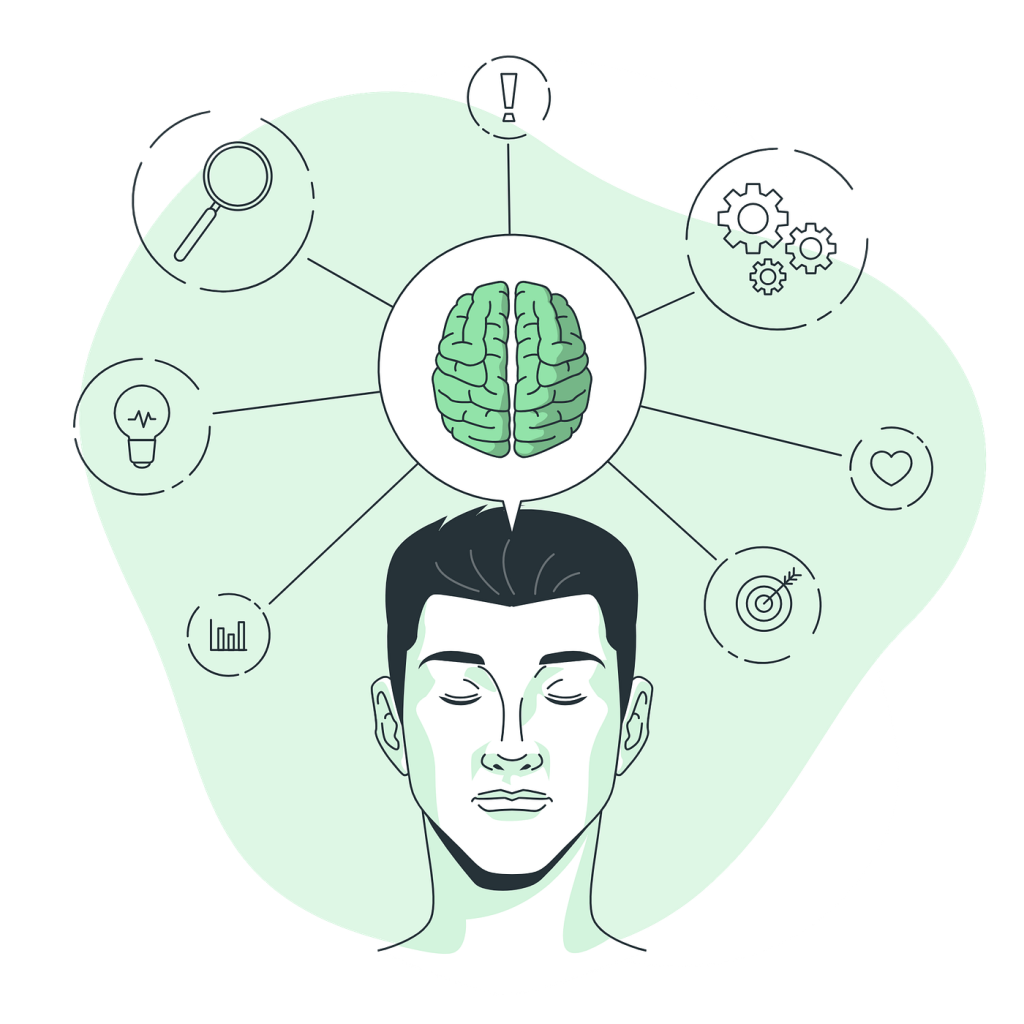
Brain teasers not only feature in competitive environments, such as academic competitions like Science Olympiads, but also become staples at social gatherings, engaging both young and old. Their engaging and thought-provoking nature stimulates lively discussions, making them an ideal addition to any gathering. As we explore further into brain teasers, we can examine how they have evolved, their cultural significance, and new trends in puzzle-making that continue to emerge in our digital age. Prepare to embark on a captivating journey filled with intriguing riddles and thought experiments that will undoubtedly challenge your intellect!
DISCOVER MORE: Click here to unlock strategies
Classic Examples of Timeless Riddles
As we delve deeper into the realm of brain teasers, a myriad of classic examples emerges, each one more captivating than the last. These riddles have stood the test of time, captivating audiences and stimulating minds for centuries. Their formulations often transcend cultural boundaries, proving that the human quest for knowledge and understanding is universal. Among these, we find several standouts that have puzzled and entertained people across generations.
The Classic “Two Doors” Riddle
In the realm of philosophical and logical puzzles, few riddles are as fascinating as the “Two Doors” riddle. Often presented as a hypothetical scenario, it involves two doors guarded by two individuals: one who always tells the truth and one who always lies. The challenge is for the solver to determine which door leads to safety, while only being allowed to ask a single question. The best approach is to ask either guard, “If I were to ask the other guard which door leads to safety, what would they say?” No matter whom you ask, this question guarantees that you will receive the hint to the wrong door, allowing you to choose the opposite one. This riddle artfully combines logical reasoning with a clever twist, leading solvers to engage in critical thinking.
The Missing Dollar Riddle
Another intellectual conundrum is the Missing Dollar Riddle. In this puzzle, three friends go out to dinner and split the $30 bill, each contributing $10. After some time, the waiter realizes a coupon applies and that the meal cost only $25. He gives the friends back $5, but they decide to give a $1 tip to the waiter, taking home $1 each, totaling $3. The perplexity arises when it’s noted that they originally paid $30. Where did the missing dollar go? This riddle offers insight into misdirection in problem-solving, forcing participants to analyze the relevance of each piece of information provided.
Modern Challenges to the Mind
In recent years, even more intricate brain teasers have emerged, reflecting the changing landscape of puzzle-making. Many modern brain teasers often blend technology with traditional riddles, showcasing the adaptability of this genre. Here are some popular recent examples:
- Akinator: An online guessing game where players think of a character, and the AI asks questions to deduce who it is.
- Logic Grid Puzzles: These have gained traction, where participants must deduce relationships using clues and grids.
- Escape Room Puzzles: Complex, themed riddles that require teamwork and creativity to solve.
These modern brain teasers not only engage the mind but also rely on collaboration and strategic thinking, characteristics that resonate well with the dynamics of contemporary problem-solving.
As we progress through this exploration of historic and current brain teasers, it becomes evident that they possess the unique capability to adapt and evolve, captivating the imagination of those who seek to challenge their intellect. Whether steeped in tradition or modern flair, these brain teasers continue to captivate and inspire, leading us to unravel mysteries that have, for generations, mystified and entertained.
Exploring the Historical Significance of Brain Teasers
Brain teasers have a rich history that spans cultures and centuries, becoming a form of entertainment, education, and intellectual challenge. Riddles and puzzles have appeared in ancient texts from civilizations such as the Greeks, Egyptians, and Chinese, often reflecting the values, beliefs, and traditions of their time. These puzzles served not just as entertainment but also as tools for teaching critical thinking and logic. The most famous brain teasers, such as the riddle of the Sphinx, have stood the test of time, captivating minds across generations. Their ability to provoke thought and engage problem-solving skills has made them an enduring part of human culture. The way these enigmas challenge our reasoning can also reveal much about the societies that birthed them. Moreover, brain teasers act as social glue, providing a common ground for conversation and collaboration. Whether shared among friends around a campfire or as part of a competitive quiz, these riddles have a unique ability to bring people together, fostering camaraderie while igniting friendly rivalry.
The Benefits of Engaging with Famous Brain Teasers
Engaging with famous brain teasers goes beyond mere amusement. It sharpens one’s cognitive abilities, enhances memory, and improves problem-solving skills. Regular practice with riddles has been linked to better performance in academic pursuits and professional scenarios, as they encourage lateral thinking and creativity.Strikingly, solving these timeless brain teasers has been shown to improve mental agility and resilience. By tackling challenges that initially seem insurmountable, individuals learn valuable skills in persistence and adaptability. This mental training can also help individuals face real-world problems with a robust analytical mindset.Additionally, famous brain teasers often come with a cultural or historical context, offering an intriguing glimpse into the mindsets of past generations. This connection adds deeper meaning to the puzzles, making the pursuit of answers not only an intellectual exercise but also a journey through time.
| Category | Advantages |
|---|---|
| Cognitive Development | Enhances problem-solving and critical thinking skills. |
| Social Interaction | Facilitates bonding and friendly competition among peers. |
In concluding this exploration of famous brain teasers, it is clear they offer profound benefits that stretch far beyond entertainment, serving as valuable tools for cognitive and social development.
DIVE DEEPER: Click here to enhance your problem-solving skills
Exploring the Impact of Brain Teasers Across Cultures
Brain teasers have long served as a means of entertainment, education, and cultural expression. Across different societies, these riddles have often reflected local traditions and values, providing not just a challenge to the mind but also a glimpse into the cultural fabric of their origins.
The Sphinx’s Riddle: A Lesson in Cunning
One of the most famous riddles in history is the Sphinx’s Riddle, which hails from ancient Greece. The Sphinx posed this enigmatic question to travelers: “What walks on four legs in the morning, two legs at noon, and three legs in the evening?” The answer—humans—symbolizes the stages of life: crawling as an infant, walking as an adult, and using a cane in old age. More than just a brain teaser, this riddle reflects existential themes and the journey of life, showcasing how riddles can carry profound meanings that resonate through the ages.
The Role of Brain Teasers in Education
In more contemporary settings, brain teasers have found a place within educational frameworks. Educators often employ riddles to promote critical thinking and enhance problem-solving skills among students. Puzzles like the classic Water Jug Riddle, where individuals must measure out a specific amount of water using only two jugs of different sizes, teach students to strategize and hypothesize. This method of learning engages students in a hands-on manner, making the acquisition of logical reasoning skills both enjoyable and effective.
Furthermore, the increasing popularity of online platforms dedicated to brain teasers, such as brainscape.com and sporcle.com, offers an interactive way for students to practice their skills outside of the classroom. These platforms not only keep the traditional spirit of riddles alive but also adapt them for modern learning environments, making them accessible to a broader audience. This accessibility fosters a community of puzzle enthusiasts who contribute to a culture of knowledge-sharing and collaborative problem-solving.
Global Variations: Riddles that Bridge Distances
While many brain teasers are widely recognized, unique variations exist across different cultures. For instance, Japanese riddles, known as “nazotoki,” often embrace simplicity paired with unexpected twists, much like their art forms. A popular Japanese riddle involves asking, “What is the most common way to lose your mind?” with the answer being, “By becoming too focused on the smaller problems of life.” This riddle reflects a cultural ethos that encourages mindfulness and a broad perspective on life’s challenges.
Additionally, African folklore is rich with its own riddles that often serve moral lessons or cultural observations. For example, riddles about clever animals, like spiders or tortoises, highlight traits revered in many African societies, such as wisdom and cunning, thus showcasing not only the intellectual aspect of riddles but also their role in cultural storytelling.
As we investigate the profound impact of brain teasers on education and culture, it becomes clear that these clever puzzles extend far beyond entertainment. They serve as platforms for learning, bridges between cultures, and reflections of societal values, proving that the art of riddling is indeed a timeless pursuit that resonates profoundly with the human experience. From ancient times to the digital age, brain teasers continue to challenge, inspire, and unite generations across the globe.
DISCOVER MORE: Click here to delve deeper
Conclusion: The Enduring Allure of Brain Teasers
In exploring the world of famous brain teasers, it becomes evident that these intriguing challenges hold a special place in human history and culture. From the age-old wisdom articulated through the Sphinx’s Riddle to contemporary puzzles enhancing critical thinking in classrooms, brain teasers transcend mere amusement. They form a unique intersection of entertainment, education, and cultural expression, reflecting the values and philosophies of diverse societies.
The adaptability of brain teasers across generations and platforms highlights their timeless appeal. In today’s digital age, countless interactive websites offer fresh takes on classic riddles, inviting a new generation of solvers to engage in a shared intellectual pursuit. As we continue to unravel these enigmas, we not only stimulate our minds but also reinforce connections to the cultural narratives that shaped them.
Moreover, as brain teasers bridge cultures, they remind us of our shared human experience—one that encourages curiosity, creativity, and collaboration. Whether through Japanese nazotoki or African folklore riddles, the essence of these puzzles lies in promoting critical thinking, mindfulness, and moral lessons.
As we delve deeper into this fascinating realm, we invite readers to explore the myriad variations of brain teasers that exist globally. Embracing these challenges can unlock new perspectives on problem-solving and foster a greater appreciation for the collective wisdom that has persisted through the ages. In doing so, we celebrate not only the riddles themselves but also the timeless quest for knowledge and understanding that they inspire.