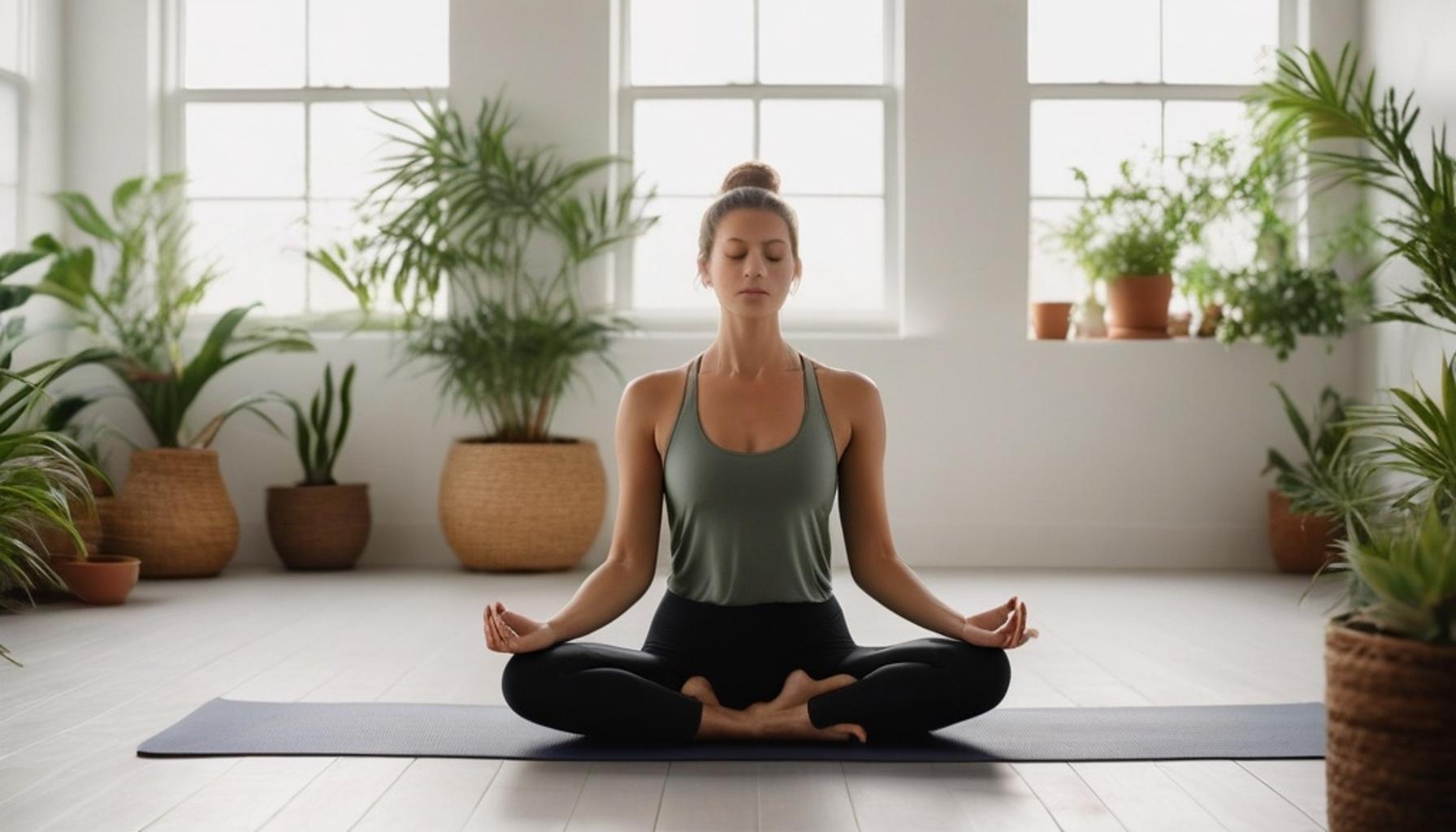
The Importance of Mindfulness in Promoting Mental Well-Being

Why Mindfulness Matters More Than Ever
Americans are more stressed than ever. According to the American Psychological Association, 77% of adults report experiencing stress that affects their physical health, while nearly as many say it impacts their mental state. From rising grocery bills to nonstop notifications, the pressures of modern life seem to compound daily, leaving many searching for a way to hit pause.
Amid this backdrop, mindfulness and mental well-being have become a focal point for psychologists, wellness coaches, and everyday people searching for relief. Yoga studios in Los Angeles, corporate wellness programs in New York City, and even school curriculums in Ohio are incorporating mindfulness practices into daily routines. But what makes this ancient practice, rooted in centuries-old contemplative traditions, so relevant to the fast-paced American lifestyle today?
A Growing Body of Evidence
Research from institutions like Harvard Medical School has shown that consistent mindfulness practice can physically reshape the brain. This isn’t just wishful thinking or a passing wellness trend; it’s measurable, observable change documented through neuroimaging studies. Scientists have linked it to:
- Reduced activity in the amygdala, the brain’s fear center
- Increased gray matter in regions tied to memory and emotional regulation
- Lower levels of cortisol, the body’s primary stress hormone
These findings help explain the benefits of mindfulness that many practitioners describe anecdotally: calmer minds, sharper focus, and greater emotional resilience. Some studies have even suggested that just eight weeks of consistent practice can produce noticeable changes in brain structure, a discovery that has surprised even seasoned researchers in the field.
What This Article Will Cover
This piece explores how mindfulness improves well-being from a scientific and practical standpoint. Readers will discover simple mindfulness techniques for mental health that fit into busy American lifestyles, from five-minute morning routines to mindful commuting on crowded subways or during long highway drives. Whether you’re a parent juggling work and family obligations in the suburbs or a young professional navigating city life, these strategies are designed to be accessible and realistic.
We’ll also examine why so many turn to practice mindfulness for stress relief, especially during uncertain economic and social times. With inflation concerns, workplace burnout, and constant digital connectivity dominating headlines, it’s no surprise that millions are seeking tools to regain a sense of control over their inner lives.
Understanding the importance of mindfulness in daily life could be the first step toward a healthier, more balanced mind. As we dig deeper into the science and practical applications, readers may find themselves rethinking how they approach everyday challenges, one breath at a time.
DISCOVER: Click here to learn about mindful eating
The Science Behind Mindfulness and Mental Well-Being
Walk into almost any hospital wellness center in Boston or San Francisco today, and you’ll likely find mindfulness-based stress reduction (MBSR) programs running alongside traditional medical treatments. This shift didn’t happen by accident. Clinical trials spanning over four decades have consistently demonstrated that mindfulness isn’t merely a feel-good buzzword, it’s a legitimate therapeutic tool with measurable outcomes.
How the Brain Responds to Practice
Dr. Jon Kabat-Zinn, who pioneered MBSR at the University of Massachusetts Medical School in 1979, laid the groundwork for what has become a multi-billion dollar wellness industry. His research demonstrated that patients dealing with chronic pain, anxiety, and depression showed significant improvement after committing to structured mindfulness practice. What started as an eight-week program for patients who had exhausted conventional treatment options has since spread to schools, prisons, and Fortune 500 boardrooms across the country.
Modern neuroscience has since expanded on these findings considerably. Functional MRI scans reveal that how mindfulness improves well-being often comes down to measurable shifts in brain activity patterns. Specifically, researchers have observed:
- Strengthened connectivity between the prefrontal cortex and emotional processing centers
- Decreased rumination, the repetitive negative thought loops common in anxiety disorders
- Improved attention span and working memory capacity
- Enhanced immune system response, according to studies published in Psychosomatic Medicine
These aren’t small effects confined to laboratory settings. Real-world applications have shown similar results across diverse populations, from combat veterans managing PTSD to corporate employees battling burnout in high-pressure industries like finance and tech. The Department of Veterans Affairs, for instance, has integrated mindfulness training into several PTSD treatment protocols, citing reductions in hypervigilance and intrusive thoughts among participants.
Interestingly, researchers at Harvard Medical School conducted an eight-week study using MRI imaging and found that participants who practiced mindfulness meditation daily showed increased gray matter density in regions associated with learning, memory, and emotional regulation. This wasn’t a subtle finding buried in statistical noise, it was visible, structural change in the brain that occurred within a relatively short timeframe. Such results have prompted researchers to describe mindfulness as a form of mental exercise, comparable in some ways to how physical exercise reshapes muscle tissue over time.
Beyond the Hype: What the Numbers Actually Show
Skepticism around wellness trends is understandable, particularly given how often “miracle solutions” flood social media feeds. However, the benefits of mindfulness documented in peer-reviewed journals tell a different story than typical wellness fads.
A 2018 meta-analysis published in JAMA Internal Medicine examined dozens of randomized controlled trials and found that mindfulness meditation programs produced moderate improvements in anxiety, depression, and pain, comparable in some cases to antidepressant medication for certain patient groups. This doesn’t suggest mindfulness should replace clinical treatment, but it does highlight why so many therapists now recommend it as a complementary approach.
Insurance companies have taken notice as well. Some major health providers, including Aetna and Kaiser Permanente, have begun offering coverage for mindfulness-based programs, a decision typically reserved for interventions with substantial clinical backing rather than passing trends. This kind of institutional buy-in suggests that mindfulness has moved well past its origins as a niche practice associated primarily with monasteries and yoga retreats.
For everyday Americans juggling mortgage payments, childcare, and career pressures, this evidence offers something valuable: a scientifically backed reason to practice mindfulness for stress relief without needing to overhaul their entire lifestyle or belief system. Whether it’s a ten-minute breathing exercise before a stressful meeting or a structured eight-week course, the research suggests that consistency matters more than duration. As more workplaces, schools, and healthcare systems continue adopting these practices, the conversation seems less about whether mindfulness works and more about how best to integrate it into daily American life.

DIVE DEEPER: Click here to discover the art of mindful eating
Practical Applications: Bringing Mindfulness Into Everyday American Life
Understanding the science is one thing; actually weaving mindfulness and mental well-being into a hectic Tuesday afternoon is another challenge entirely. Most Americans aren’t looking for another item on their to-do list, they’re looking for something that actually fits into the chaos of school drop-offs, Zoom meetings, and grocery runs. The good news is that researchers and practitioners alike have spent years figuring out how to make these practices work for people who barely have time to finish their morning coffee before rushing out the door.
Simple Techniques That Fit Real Schedules
Contrary to popular belief, effective mindfulness techniques for mental health don’t require a silent retreat in the mountains of Colorado. Some of the most widely recommended practices take less time than scrolling through Instagram:
- Box breathing, a technique used by Navy SEALs, involves inhaling for four counts, holding for four, exhaling for four, and pausing for four
- Body scan meditations, often just five to ten minutes long, help identify tension stored in the shoulders, jaw, or lower back
- Mindful walking during a lunch break, paying attention to footsteps and surroundings instead of checking emails
- Single-tasking during meals, an intentional departure from eating lunch while staring at a laptop screen
None of these require special equipment or a subscription app, though apps like Headspace and Calm have certainly made guided practice more accessible for beginners who prefer structure. Some users even report that setting a simple phone reminder three times a day, just to pause and breathe, has changed how they respond to stressful emails or traffic jams on the interstate. Small habits, repeated consistently, tend to outperform sporadic attempts at longer sessions, according to behavioral psychologists who study habit formation.
Workplace Adoption Across Industries
Corporate America has increasingly recognized the importance of mindfulness in daily life, particularly as burnout rates climb. Google’s “Search Inside Yourself” program, launched in 2007, became one of the earliest large-scale corporate mindfulness initiatives, and companies like General Mills, Target, and Aetna have since developed their own internal programs.
Aetna’s results were particularly telling. Employees who participated in the company’s mindfulness program reported a 28 percent reduction in stress levels and gained an average of 62 minutes of productivity per week, according to internal data the company later shared publicly. For an organization with tens of thousands of employees, that’s not a marginal statistic, it translates into measurable financial impact alongside improved employee retention. Other companies have since followed suit, offering quiet rooms, guided meditation sessions during onboarding, and even mindfulness stipends as part of broader wellness packages. Some smaller startups, unable to match corporate budgets, have gotten creative by hosting free lunchtime sessions led by employees who happen to be certified instructors.
Schools and Younger Generations
Educators have also taken note. Districts in cities like Baltimore and Louisville have implemented mindfulness curricula aimed at reducing suspension rates and improving classroom focus. One notable example, the Holistic Life Foundation’s program in Baltimore public schools, replaced detention with meditation sessions, resulting in zero suspensions at the participating school for an entire academic year.
This matters because childhood stress and anxiety rates have climbed significantly over the past decade, according to CDC data. Teaching students to practice mindfulness for stress relief early may offer long-term benefits that extend well beyond the classroom, potentially shaping how an entire generation manages emotional regulation. Some high school counselors have begun incorporating brief breathing exercises before exams, noting that students report feeling calmer and more focused during testing periods. College campuses, too, have jumped on board, with universities from California to New York offering drop-in meditation rooms and stress-reduction workshops during finals week, when anxiety levels typically spike.
What ties these examples together, whether in a boardroom, a classroom, or a living room, is accessibility. Mindfulness doesn’t demand a particular belief system, expensive gear, or hours of free time most people simply don’t have. It asks only for attention, applied consistently, which may explain why it continues gaining traction across such varied corners of American society, from tech offices in Silicon Valley to elementary schools in the Midwest.
DON’T MISS: Click here to discover the benefits
The Bigger Picture: Why Mindfulness Deserves a Permanent Spot in American Life
From Baltimore classrooms to Silicon Valley boardrooms, the evidence keeps pointing to the same conclusion: mindfulness and mental well-being are deeply intertwined, and ignoring that connection comes at a cost. Rising anxiety rates, workplace burnout, and childhood stress aren’t abstract statistics, they’re daily realities for millions of people across the country. What makes mindfulness stand out isn’t novelty, it’s accessibility. A five-minute breathing exercise or a mindful walk around the block costs nothing and requires no special training to begin.
Consider the numbers behind the trend. According to the Centers for Disease Control and Prevention, roughly four in ten adults report symptoms of anxiety or depression at some point during a given year, and the American Institute of Stress estimates that workplace stress alone costs U.S. businesses upward of 300 billion dollars annually in absenteeism and lost productivity. Against that backdrop, mindfulness has quietly become one of the few interventions that scales without requiring expensive infrastructure. School districts in states like California and New York have piloted short mindfulness breaks between classes, while companies such as Google and Aetna have built meditation rooms directly into their offices, reporting measurable drops in reported stress levels among employees.
The benefits of mindfulness extend far beyond momentary calm. Reduced stress hormones, improved focus, better sleep, and stronger emotional regulation all show up repeatedly in research spanning corporate wellness programs, school districts, and clinical studies. Understanding how mindfulness improves well-being isn’t just an academic exercise, it’s a practical roadmap that individuals, employers, and educators are already using to reshape everyday routines. Some hospitals have even integrated mindfulness-based stress reduction, or MBSR, into chronic pain management programs, giving patients an active role in coping alongside traditional medical care.
Still, mindfulness isn’t a cure-all, and skeptics rightly note that it shouldn’t replace professional treatment for serious mental health conditions. It works best as one tool among many, a foundation for resilience rather than a substitute for therapy or medication when those are needed.
Looking ahead, the growing presence of mindfulness in schools, offices, and healthcare settings suggests this isn’t a passing trend. As more Americans search for sustainable ways to manage modern stressors, the importance of mindfulness in daily life will likely keep expanding, one quiet breath at a time.
Frequently Asked Questions
How does mindfulness specifically improve mental well-being?
Mindfulness helps regulate the brain’s stress response by lowering activity in the amygdala, which reduces anxiety and reactive emotions. It also strengthens the prefrontal cortex, improving focus, emotional regulation, and decision-making. Over time, this combination supports greater resilience and a more stable mood.
How long does it take to notice mental health benefits from mindfulness practice?
Many people report feeling calmer and more focused after just a few sessions, but research shows measurable changes in stress and anxiety levels typically emerge after 4 to 8 weeks of consistent practice, around 10 to 20 minutes daily. Structured programs like MBSR (Mindfulness-Based Stress Reduction) are often built around this 8-week timeframe for this reason. Consistency matters more than session length when building lasting mental well-being benefits.
Can mindfulness help with anxiety and depression, or is it only for stress relief?
Mindfulness is widely used beyond simple stress relief and has strong clinical support for reducing symptoms of both anxiety and depression. Approaches like Mindfulness-Based Cognitive Therapy (MBCT) are specifically designed to prevent depressive relapse by helping people notice negative thought patterns without getting caught up in them. However, it works best as a complement to, not a replacement for, professional treatment when symptoms are severe.
What’s the easiest way for a beginner to start using mindfulness for mental well-being?
Start small with just 5 minutes a day of focused breathing, paying attention to each inhale and exhale without judging your thoughts. Simple practices like mindful walking, eating without distractions, or a body scan before bed are also beginner-friendly entry points. Using a guided app or short audio recordings can help you stay consistent while you build the habit.

Linda Carter
Linda Carter is a writer specializing in healthy habits and balanced living. With extensive experience helping readers build sustainable routines, she shares practical guidance on nutrition, physical activity, quality sleep, stress management, and emotional well-being. Her goal is to offer simple, accessible strategies that inspire people to care for their health and enjoy a more balanced life.