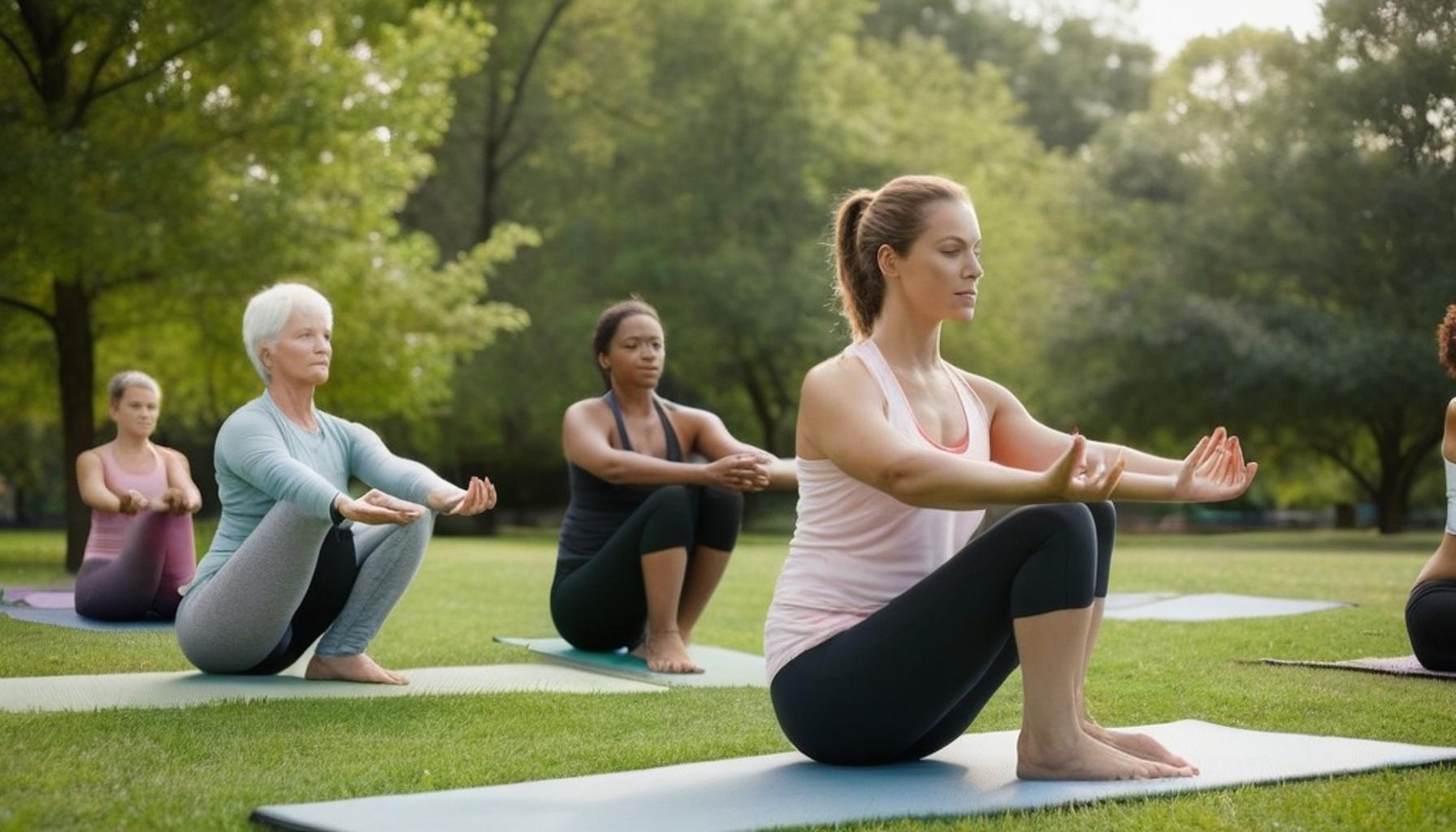
How to Incorporate Physical Exercises into Daily Routine in a Fun Way

Why Movement Deserves a Spot in Your Daily Schedule
Picture this: it’s 3 p.m., you’ve been staring at a screen since 8 a.m., and the only exercise you’ve gotten is walking to the coffee machine. Sound familiar? You’re not alone. Nearly 60% of American adults fail to meet the recommended weekly activity levels, according to the CDC. Busy schedules, desk jobs, and endless screen time often push fitness to the bottom of the to-do list, right behind “organize the garage” and “finally read that book.”
But here’s the good news: you don’t need a gym membership, a personal trainer, or hours of free time to stay active. Learning to incorporate physical exercises daily can be simple, enjoyable, and surprisingly easy to sustain, even for the most overbooked American professional juggling work, family, and everything in between.
Small Changes, Big Results
Fitness experts agree that consistency matters more than intensity. Short bursts of movement scattered throughout the day can be just as effective as a single long workout session at the gym. In fact, research published by the American Heart Association suggests that breaking activity into smaller chunks—say, ten minutes here and there—can deliver similar cardiovascular benefits to one continuous session.
- Dance breaks during chores or cooking, turning laundry folding into a mini living-room concert
- Walking meetings instead of sitting in a conference room, a trend already popular in tech hubs like Seattle and Austin
- Stair climbing challenges with coworkers or family, complete with friendly leaderboards
- Quick stretching sessions between work tasks to fight the dreaded “desk slouch”
- Parking farther away at the grocery store or mall to squeeze in extra steps
These engaging physical activities prove that exercise doesn’t have to feel like a chore. It can slide seamlessly into errands, commutes, and even Netflix binges.
Making Fitness Fun Again
Many people quit workout routines simply because they’re boring. Discovering fun ways to exercise transforms fitness from a dreaded task into something you actually look forward to, much like how millions of Americans turned backyard pickleball into a national obsession seemingly overnight.
This article explores practical exercise routines for busy people, including creative workouts at home that require zero equipment—just a living room and a little imagination. You’ll also find daily fitness tips designed to fit seamlessly into even the most packed schedules, proving that staying active doesn’t require a gym membership, just a willingness to move a little more, a little more often.
LEARN MORE: The importance of regular physical activity for mental and emotional health
Turning Everyday Moments Into Movement Opportunities
The secret to how to incorporate physical exercises daily isn’t about finding more hours in your day, it’s about rethinking the hours you already have. Every American adult spends roughly eleven hours a day on sedentary activities, according to a Journal of the American Medical Association study. That’s eleven hours of missed chances to sneak in movement, and when you break that number down across a typical week, it adds up to over seventy-seven hours of sitting, scrolling, or standing still while the body quietly waits for a reason to move.
Think about your morning coffee brew, that two-minute wait while the Keurig does its thing. Instead of scrolling through Instagram, try a set of squats or calf raises. It sounds almost too simple, but these micro-moments add up faster than most people realize. Stack five or six of these throughout a single day, and you’ve suddenly logged fifteen to twenty minutes of intentional movement without ever setting foot in a gym.
The Science Behind Bite-Sized Workouts
Researchers at the University of Utah found that people who accumulated activity in short bursts throughout the day showed similar improvements in blood pressure and cholesterol levels compared to those who exercised in one continuous block. This finding has reshaped how fitness professionals talk about daily fitness tips, shifting the conversation from “when’s your workout” to “how often are you moving.”
This shift matters because it removes the biggest barrier most people face: time. You don’t need a spare hour. You need spare minutes, and Americans have plenty of those hiding in plain sight. Cardiologists have started referring to these bursts as “exercise snacks,” a term now appearing in wellness columns from Los Angeles to New York, precisely because they require zero equipment and almost no planning.
- Commercial breaks during your favorite show, perfect for a quick round of push-ups or jumping jacks
- Waiting for the microwave, ideal for calf raises or wall sits
- Phone calls that don’t require note-taking, great opportunities to pace around the house or backyard
- Waiting in the school pickup line, a chance for seated leg lifts or shoulder rolls
- Brushing your teeth, surprisingly effective for balance exercises like standing on one leg
Even grocery store lines or waiting rooms can double as a chance for subtle calf raises or posture resets, proving that almost no setting is truly off-limits once you start looking for openings.
Why Novelty Keeps You Coming Back
Boredom, not laziness, is often the real reason workout routines fail. Behavioral psychologists point to something called the “novelty effect,” where trying new activities triggers more dopamine than repeating the same routine day after day. This explains why rock climbing gyms, trampoline parks, and dance-based fitness classes have exploded across cities like Denver, Chicago, and Miami in recent years, drawing crowds who might otherwise skip a traditional treadmill session altogether.
Engaging physical activities that mix things up, like alternating between a bodyweight circuit one day and a nature hike the next, tend to stick longer than rigid, repetitive plans. Variety isn’t just fun, it’s a legitimate strategy for long-term consistency, and it might be the missing piece for anyone who’s ever quit a fitness plan out of sheer monotony.
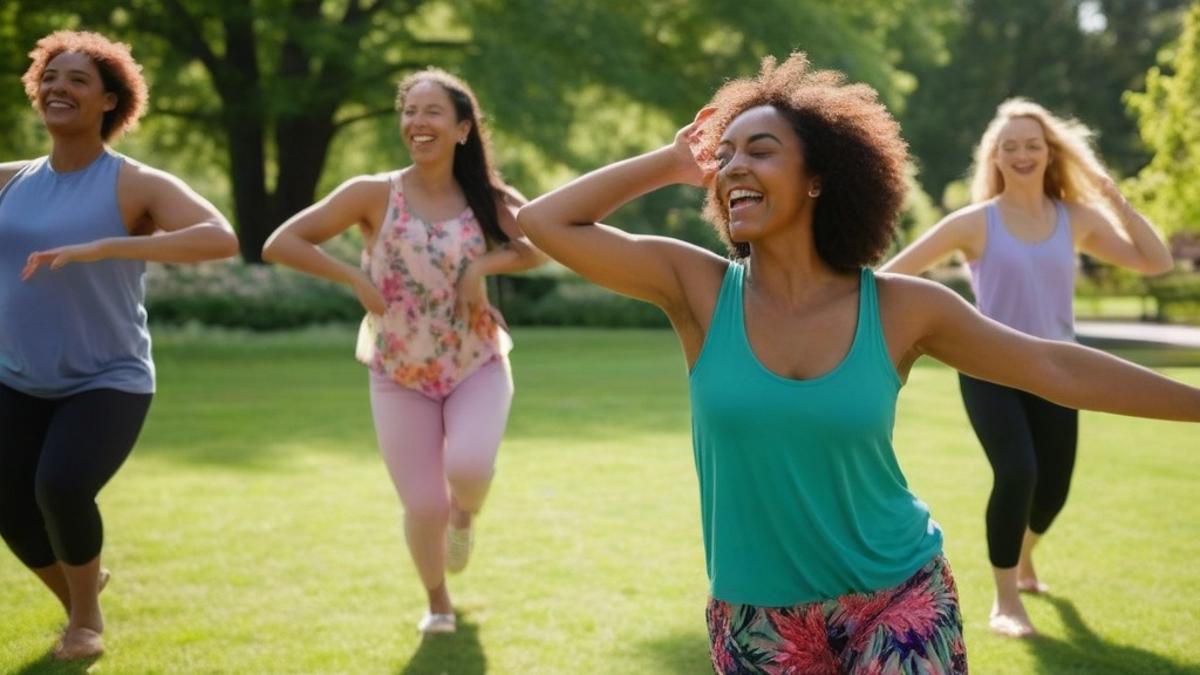
Creative Strategies to Incorporate Physical Exercises Daily
Turning workouts into playful rituals is the secret behind lasting consistency. Below is a quick-reference table highlighting fun ways to exercise that fit seamlessly into hectic schedules, along with the specific benefits each approach delivers.
| Category | Key Benefit |
|---|---|
| Dance Breaks | 10-minute sessions burn up to 100 calories and instantly lift mood, a simple way to incorporate physical exercises daily. |
| Walking Meetings | Improves cardiovascular health, one of the smartest exercise routines for busy people juggling calls and tasks. |
| Gamified Apps | Reward-based challenges make creative workouts at home addictive and measurable through streaks and badges. |
| Family Fitness Nights | Weekly obstacle courses strengthen bonds while promoting engaging physical activities</str
DIVE DEEPER: Click here to explore mindfulness and mental well-being Gamifying Fitness to Make Movement Feel Like PlayTurning workouts into a game changes the entire equation for people who dread exercise. When movement feels like play instead of punishment, motivation stops being something you have to summon and starts happening automatically. This is the psychology behind why fitness apps with achievement badges, streaks, and leaderboards have grown into a multi-billion dollar industry, according to Grand View Research, which tracked the global fitness app market surpassing $14 billion in recent years. Apps like Zombies, Run! turn a simple jog into a survival mission complete with audio storylines. Strava lets neighbors compete for the fastest mile on a local route. Even step-count competitions with coworkers, something many offices in cities like Austin and Seattle have adopted, transform daily fitness tips into friendly rivalries rather than chores. Creative Workouts at Home That Don’t Feel Like WorkoutsLiving rooms across America have quietly become fitness studios, and the shift accelerated dramatically after 2020, but the habit has stuck around for a reason: convenience paired with creativity. Creative workouts at home don’t require expensive equipment, just a willingness to treat furniture and floor space differently.
None of these require a gym membership or a single dumbbell, which matters given that 67 percent of gym memberships in the United States go largely unused, based on data frequently cited by fitness industry analysts. Building Exercise Routines for Busy People Around Family LifeParents juggling school runs, work deadlines, and household chores often assume fitness has to wait until life slows down. It rarely does, so the smarter approach is weaving activity directly into family routines rather than treating it as a separate task on an already crowded list. Backyard obstacle courses built from pool noodles and lawn chairs can entertain kids for an hour while parents join in and rack up real cardio. Family bike rides after dinner, common in suburban neighborhoods from Portland to Raleigh, cover roughly three to five miles without anyone feeling like they exercised on purpose. Even chores double as engaging physical activities when approached with intention. Raking leaves, scrubbing floors on hands and knees, or carrying groceries in multiple trips instead of one all burn calories comparable to a light gym session, according to estimates from the Compendium of Physical Activities, a widely referenced database used by exercise scientists nationwide. EXPLORE MORE: Click here to dive deeper Making Movement a Permanent Part of Everyday LifeThe evidence throughout this piece points to one clear conclusion: fitness sticks when it stops feeling like a chore. Whether it’s a gamified app tracking neighborhood leaderboards or a laundry basket doubling as a squat weight, the common thread is creativity replacing obligation. Learning how to incorporate physical exercises daily doesn’t require a complete lifestyle overhaul. It requires small, repeatable shifts, a dance video here, a staircase sprint there, that accumulate into real results over weeks and months. The numbers back this up. With 67 percent of gym memberships sitting unused and the fitness app market topping $14 billion, Americans are clearly searching for alternatives that fit real life rather than an idealized version of it. Exercise routines for busy people work best when they blend into existing routines, family bike rides, backyard games, household chores, rather than competing against them for time. Consider a few final takeaways for anyone ready to start:
Ultimately, the goal isn’t perfection. It’s consistency built on enjoyment. Readers curious about deepening this habit might explore local recreational leagues, community fitness challenges, or even seasonal activities like fall hiking trails and winter ice skating rinks, both increasingly popular across American cities. The path toward better health doesn’t have to run through a gym door. Sometimes it starts in a living room, a backyard, or a staircase, one playful rep at a time. Frequently Asked QuestionsWhat are some fun ways to incorporate physical exercises into a daily routine if I hate the gym?Try activities that don’t feel like traditional workouts, such as dance videos, hula hooping, rollerblading, or playing pickup sports with friends. You can also turn errands into movement by biking to the store or taking walking meetings. The key is choosing something you genuinely enjoy so it doesn’t feel like a chore. How can I incorporate physical exercises daily when I have a busy work schedule?Break exercise into short bursts, like a 10-minute walk after breakfast, desk stretches during calls, or a quick bodyweight circuit before your shower. Setting a recurring calendar reminder or pairing movement with an existing habit, like stretching while coffee brews, makes it easier to stay consistent. Even 20-30 minutes spread throughout the day adds up significantly over time. What household activities count as exercise I can do to stay active without a formal workout?Vacuuming, gardening, washing your car, or scrubbing floors all raise your heart rate and count as moderate physical activity. Playing actively with kids or pets, like tag or fetch, is another enjoyable way to move more without dedicated gym time. These everyday tasks help you incorporate physical exercises daily while getting chores done. How do I stay motivated to keep up a daily exercise habit long-term?Track your progress with a fun app or fitness tracker, celebrate small milestones, and mix up activities every few weeks to avoid boredom. Exercising with a friend or joining a local group class adds accountability and social enjoyment, which research shows boosts long-term adherence. Focusing on how good you feel afterward, rather than just results, also keeps motivation sustainable. 
Linda CarterLinda Carter is a writer specializing in healthy habits and balanced living. With extensive experience helping readers build sustainable routines, she shares practical guidance on nutrition, physical activity, quality sleep, stress management, and emotional well-being. Her goal is to offer simple, accessible strategies that inspire people to care for their health and enjoy a more balanced life. |