The Role of Simulation Games in Preparing for Real-World Problem Solving

The Value of Simulation Games in Modern Learning
In a world characterized by rapid change and multifaceted challenges, simulation games have emerged as innovative tools for fostering essential problem-solving skills among players. By immersing individuals in dynamic environments that replicate real-world scenarios, these games effectively blend entertainment with critical learning experiences.
One of the standout features of simulation games is their realism. Players encounter challenges that closely resemble those they might face in actual situations, be it in business, healthcare, or military contexts. For example, in games like “SimCity,” players are tasked with urban planning, confronting issues such as resource allocation, infrastructure development, and environmental sustainability. This experience fosters critical thinking and encourages players to devise strategic solutions, enabling them to explore the real implications of their decisions.
Moreover, these games provide interactive learning opportunities. Unlike traditional educational methods, where learners passively absorb information, simulation games engage users by placing them in the driver’s seat of their own learning journey. Players make pivotal decisions that shape the course of the game, which not only enhances engagement but also improves knowledge retention. Research has shown that active participation can increase information recall by up to 50%, making these games potent educational tools.
Additionally, simulation games offer a safe environment for players to experiment. Unlike real life, where mistakes can lead to serious consequences, players can explore different strategies and approaches without the fear of failure. This element of safety encourages innovation, as individuals feel liberated to take risks, learn from errors, and refine their skills. An excellent example is “Kerbal Space Program,” where users design rockets and manage space missions, discovering the complexities of physics and engineering through trial and error.
As the effectiveness of simulation games becomes increasingly recognized, they are being seamlessly integrated into various training programs across multiple sectors. For instance, medical professionals use simulation-based training to practice surgical procedures in a risk-free environment, enhancing their expertise before they operate on actual patients. Similarly, corporate leaders utilize business simulation software to develop strategic thinking and decision-making skills in a realistic context.
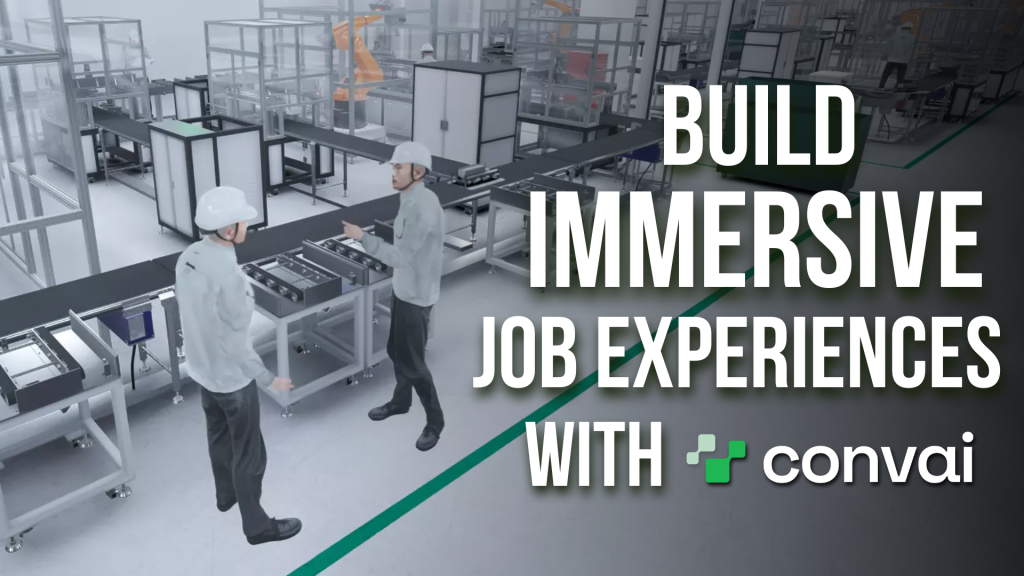
The pressing question is not whether simulation games are effective, but rather how society can maximize their potential to nurture a generation of adept problem solvers. As education systems and industries continue to evolve, integrating these interactive experiences could be key to preparing individuals for the complexities of modern challenges. By leveraging the immersive nature of simulation games, we can equip future leaders with the necessary skills to navigate an unpredictable world.
DIVE DEEPER: Click here to discover the fascinating evolution of brain teasers
Engaging Minds Through Real-World Scenarios
Simulation games have revolutionized the way we approach education and training, providing a platform where learning meets practicality. By immersing players in scenarios that mirror real-life challenges, these games cultivate a range of competencies essential for effective problem-solving. Players are not merely participating; they are engaging their cognitive abilities, strategizing, and often collaborating with others. This process prepares them for the multifarious layers of real-world challenges they might encounter.
One of the prime advantages of simulation games is their ability to develop critical thinking skills. When faced with evolving scenarios, players must analyze information, weigh options, and make decisions that affect the outcome of the game. Take, for instance, “Age of Empires,” where participants manage resources, develop civilizations, and navigate diplomacy. Such games require players to think on their feet, assess risks, and adapt their tactics in real time—skills directly transferable to careers in business, politics, and beyond.
Moreover, simulation games cater to diverse learning styles, making them versatile tools for instruction. Unlike conventional classroom settings that often adopt a one-size-fits-all approach, simulation games provide multiple pathways to comprehension and skill acquisition. Consider the following key elements:
- Visual Learning: Graphical representations of data and environments facilitate better understanding of complex concepts.
- Auditory Learning: In-game narratives and sound effects engage auditory learners, making the experience rich and immersive.
- Kinaesthetic Learning: Through interactive gameplay, players learn by doing, reinforcing concepts through hands-on experience.
The active involvement required in simulation games promotes teamwork and collaboration. Many simulation games require players to work together, fostering communication and collective problem-solving abilities. For example, in “League of Legends,” players must form strategic alliances, execute coordinated attacks, and adapt to the dynamic flow of the game—all while communicating effectively with teammates. These scenarios reflect circumstances in corporate settings, healthcare teams, or emergency response units, emphasizing the importance of collaborative problem-solving in achieving successful outcomes.
As education systems emphasize the need for adaptable skill sets in an ever-changing job market, the relevance of simulation games continues to rise. According to a study by the National Research Council, participants in simulation-based learning environments show increased retention rates, with evidence indicating a retention improvement of up to 90% when practical application is incorporated. This underscores the immense potential that simulation games hold in preparing individuals for real-world problem-solving.
Furthermore, industries are recognizing the benefits of simulation training not just for new hires, but for ongoing professional development. Incorporating simulation games into training programs allows employees to sharpen their skills in a controlled environment. Companies like Deloitte use simulation to train leaders on decision-making amidst uncertainty, modeling real-world scenarios that demand quick thinking and adaptability.
In summary, simulation games serve as powerful vehicles for enhancing cognitive abilities, fostering teamwork, and allowing for experiential learning. As we further explore their applications and potential in different sectors, it is clear that these engaging platforms are paramount to equipping individuals with the tools necessary for tackling today’s complex problems.
The Role of Simulation Games in Preparing for Real-World Problem Solving
Simulation games have emerged as powerful tools in education and training, fostering critical thinking and enhancing decision-making skills. These interactive environments allow participants to engage with complex scenarios that mirror real-world challenges, successfully bridging the gap between theory and practice. By immersing players into lifelike situations, they can explore potential solutions, test their hypotheses, and learn from their mistakes without the repercussions of real-world consequences.
One of the most significant advantages of simulation games is their ability to promote collaborative learning. Players often work in teams, which encourages communication, cooperation, and the exchange of ideas. This collaborative aspect not only enriches the learning experience but also more closely models workplace dynamics, where teamwork is essential for solving complex problems.
Furthermore, simulation games can offer a safe space for experimentation, enabling participants to think creatively and approach problems with innovation. Players can make bold choices and analyze their outcomes, thus nurturing an innovative mindset that is crucial in today’s fast-paced environment. This process fosters resilience by showing players the importance of adaptability, as they see firsthand how different strategies can lead to varied results.
As educators and trainers increasingly incorporate these games into curricula and workshops, the implications for future workforce preparedness become clear. Simulation games not only equip individuals with the skills needed to tackle real-world problems but also instill a mindset geared towards proactive problem-solving, which is essential in an ever-evolving global landscape.
| Category | Description |
|---|---|
| Engagement | Simulation games capture attention effectively, leading to higher retention of information. |
| Skill Development | They enhance critical thinking, decision-making, and teamwork skills essential for real-life problem solving. |
In summary, simulation games serve as essential tools in developing the necessary skills for effective problem-solving in real-world scenarios.
DISCOVER MORE: Click here to enhance your memory skills
Bridging Theory and Practice: The Transformative Power of Simulation Games
As the landscape of education evolves, simulation games stand out as remarkable pedagogical tools that merge theoretical knowledge with practical application. This convergence not only aids learners in grasping complex concepts but also enhances their ability to apply learned skills in a variety of contexts. Through active engagement and experience-driven scenarios, simulation games cultivate a generation of problem solvers equipped for the unpredictability of the real world.
One significant area where simulation games excel is in the development of emotional intelligence, a key aspect of effective problem-solving. Games such as “Civilization” place players in command of entire nations, force them to balance a myriad of societal factors, and navigate diplomatic intricacies. The decisions players make impact not only their progress but also the game’s inhabitants, mirroring the emotional stakes leaders face in their real-world roles. By allowing players to experience the emotional ramifications of their choices, simulation games enhance empathy and promote self-regulation—skills that are critical in any collaborative or leadership setting.
Moreover, these games provide a safe environment for players to make mistakes and learn from them, which is vital for personal and professional growth. The inherent trial-and-error nature of simulation games encourages a mindset of resilience. For instance, NASA’s “Voyager” education game allows participants to step into the shoes of mission planners, encountering both predictable and unexpected challenges. In overcoming these obstacles, players learn that failure can lead to innovative solutions, preparing them for the setbacks often faced in real-world projects.
Including aspects of data analysis and strategic planning further augments the educational value of simulation games. Many modern simulation experiences require participants to interpret data and forecast outcomes, paralleling the analytical demands of many professions today. In “SimCity,” players analyze environmental factors, population trends, and resource distribution while developing urban infrastructure. This mirrors the work of urban planners and environmental scientists, who must evaluate data to make impactful decisions—illustrating how simulation games offer practical application for complex analytic skills.
The industry has begun recognizing the efficacy of these tools, and companies are increasingly adopting simulation games in their training programs. The healthcare sector is a prime example where simulation games are utilized for medical training. Programs like “Surgical Simulation” allow medical students to perform virtual surgeries, honing their skills before entering the operating room. Such practical experiences are vital because they marry technical ability with critical decision-making under pressure, reflecting real-life medical emergencies.
Furthermore, many educational institutions are capitalizing on this trend. Universities are implementing simulation games in curricula, especially in fields such as business, engineering, and healthcare. A report from the American Educational Research Association indicated that students engaging in simulation-based activities had higher engagement levels and improved scores. This trend indicates a shift towards more immersive educational practices, aligning closely with contemporary workforce expectations.
In addition, there is a growing body of research pointing to the potential of simulation games in fostering diverse perspectives. In multiplayer environments, as seen in team strategy games like “Overwatch,” players encounter diverse play styles and approaches to problem-solving. This diversity promotes a culture of inclusivity, where players learn to appreciate and adapt to different methods, an important skill in today’s interconnected global society.
Simulation games are not just an entertainment avenue; they serve as a transformative educational tool that equips individuals with the necessary skills to navigate complex problems in real life. As the need for innovative problem-solving strategies grows, these games will undoubtedly continue to play a pivotal role in shaping adept and versatile thinkers capable of tackling the challenges of the modern world.
DISCOVER MORE: Click here to dive deeper
Conclusion: Empowering Future Problem Solvers with Simulation Games
As the realm of education continues to shift towards more engaging and practical learning modalities, the role of simulation games in preparing individuals for real-world problem solving cannot be overstated. These dynamic tools not only enhance the acquisition of theoretical knowledge but also enable the hands-on experience necessary to tackle complex societal challenges. By providing realistic scenarios and safe spaces for experimentation, simulation games foster critical skills such as emotional intelligence, resilience, and data analysis, which are essential in today’s multifaceted workplace.
The ability to navigate and learn from the consequences of one’s decisions, as demonstrated in titles like “Civilization” or “SimCity,” is particularly valuable in developing adaptable thinkers who can thrive in unpredictable environments. Furthermore, the increasing integration of these games into training regimes across various industries, including healthcare and urban planning, reflects a growing recognition of their effectiveness in bridging the gap between academia and practice.
Looking ahead, it is evident that simulation games will play an even more crucial role in shaping the workforce of tomorrow. As we face increasingly complex global challenges, the skills cultivated through these immersive experiences will empower individuals to innovate and collaborate in pursuit of effective solutions. Therefore, embracing the educational potential of simulation games is not merely a trend; it is a vital evolution in how we prepare our future leaders to succeed in an interconnected and rapidly changing world.