The Relationship Between Reasoning Games and the Improvement of Resilience in Challenging Situations

The Psychological Benefits of Engaging in Reasoning Games
In an era marked by rapid change and uncertainty, fostering mental resilience is paramount. One effective way to cultivate this necessary trait is through reasoning games, which present an engaging blend of fun and cognitive challenge. These games, ranging from classic puzzles to complex strategy games, not only stimulate the mind but also enhance our overall psychological well-being.
Participating in reasoning games can lead to a variety of cognitive improvements. For instance, enhancing problem-solving skills is one of the key benefits. Playing chess or solving Sudoku puzzles requires strategizing and foreseeing consequences, which sharpens one’s ability to tackle real-life challenges effectively. Similarly, engaging in logic puzzles fosters critical thinking, making individuals better equipped to navigate everyday problems and make informed decisions.
Another significant advantage of reasoning games is their role in improving logical thinking. Logic games like “Set” or “Mastermind” compel players to recognize patterns and develop structured approaches to reach solutions. This enhancement of logical reasoning is not confined to the gaming board; it reverberates in real-world scenarios, where having a sharp logical acumen can lead to better professional and personal outcomes.
Moreover, reasoning games can boost emotional regulation. By introducing players to challenging situations that require patience and strategic thinking, these games encourage individuals to manage their emotions effectively. When someone loses a game, the experience serves as a practice ground for self-control and coping with disappointment, both of which are vital components of resilience in daily life.
Real-World Applications and the Future of Mental Resilience
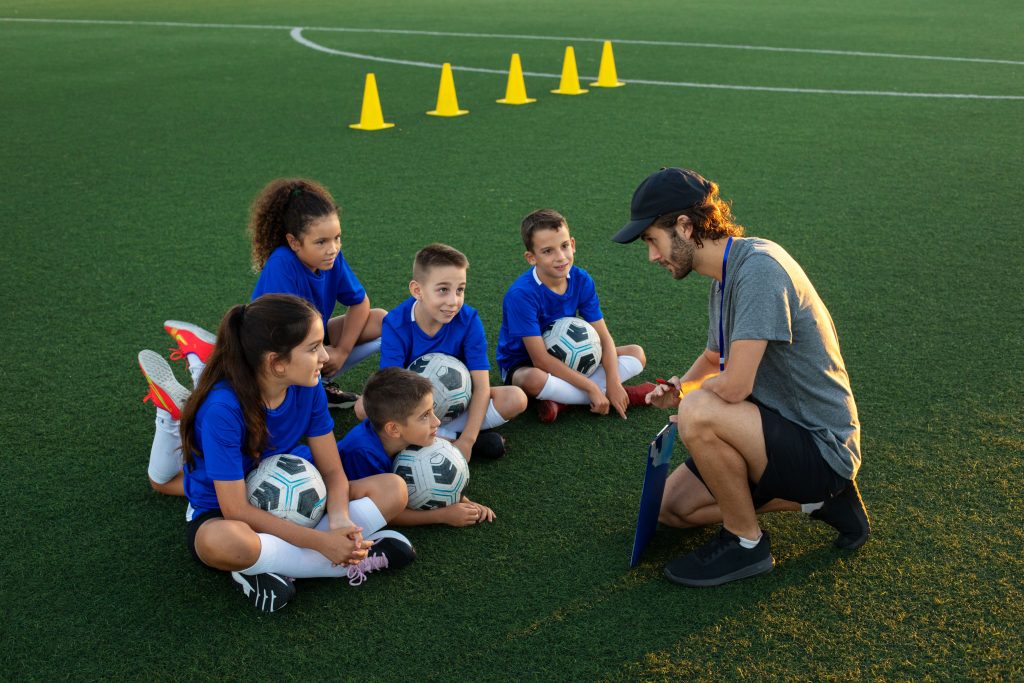
The benefits of reasoning games extend beyond entertainment; they have real-world implications. Various studies have shown that individuals who regularly play these games report experiencing lower levels of stress and a heightened ability to cope with life challenges. For instance, educators are increasingly incorporating reasoning games into school curriculums to boost students’ emotional and cognitive development. This approach not only makes learning enjoyable but also equips young minds with tools for future resilience.
As we explore the myriad types of reasoning games—from traditional board games to modern video games—it’s essential to recognize their potential in personal development. The intersection of cognitive challenge and emotional growth presents an unprecedented opportunity for individuals seeking to strengthen their resilience. By integrating these games into daily routines, individuals can build a robust suite of adaptive strategies, enhancing their capacity to face life’s inevitable challenges with confidence.
Ultimately, as more people recognize the psychological advantages of reasoning games, there is potential for widespread change in how we address mental health and personal development. These activities not only foster enjoyable interactions but also nurture a resilient mindset capable of thriving amidst adversity.
DISCOVER MORE: Click here to master Sudoku techniques
Impact of Reasoning Games on Emotional Resilience
The relationship between reasoning games and emotional resilience is increasingly becoming a focal point of research in psychology and education. As societies across the globe face unprecedented challenges, the ability to bounce back from adversity is more crucial than ever. Reasoning games, in their many forms, are not merely means of entertainment; they provide players with essential life skills, particularly when faced with difficult scenarios.
The practice of engaging in reasoning games yields notable psychological benefits that can directly enhance resilience in challenging situations. By regularly facing simulated challenges within a game context, participants can cultivate a mindset suited for real-life difficulties. Some key ways in which reasoning games contribute to emotional resilience include:
- Development of a Growth Mindset: Games that require strategic thinking promote a growth mindset, empowering players to embrace challenges instead of shying away. This mindset is vital in fostering resilience, helping individuals to understand that failure is a stepping stone toward growth.
- Improvement in Adaptive Thinking: Reasoning games commonly present complex problems that require flexible thought processes. Residents of a dynamic world can learn to navigate unpredictable situations with a problem-solving attitude, essential for resilience.
- Encouragement of Social Interaction: Many reasoning games are designed to be played with others, fostering collaboration and shared strategies. This social interaction can lead to stronger support networks, an important asset for emotional resilience during tough times.
- Safe Environment for Taking Risks: Players have the opportunity to explore strategies without the fear of real-life repercussions. This environment allows individuals to experiment with various tactics, instilling confidence in their decision-making abilities when they face actual challenges.
Research indicates that these gaming experiences can significantly contribute to individuals’ overall mental health. For example, a study conducted by the University of California suggests that regular engagement with reasoning games can lower anxiety levels and increase confidence in problem-solving abilities. This correlation suggests that the skills honed in gaming could very well translate to real-life situations where emotional resilience is tested.
Furthermore, with the rise of digital platforms, reasoning games are more accessible than ever. Virtual escape rooms, puzzle-solving apps, and online strategy games are now common leisure activities in American households. These modern iterations not only provide convenience but also create communal spaces where individuals can collaboratively experience challenges, enhancing their emotional fortitude.
Given the increasing recognition of the mental health benefits associated with reasoning games, there’s significant potential for their integration into therapeutic practices and educational programs. Implementing such engaging methods can pave the way for developing stronger, more resilient individuals in society. By recognizing the transformative power of these games, we open doors to new methodologies for improving mental health and personal growth.
| Category | Benefits |
|---|---|
| Cognitive Skill Development | Engaging in reasoning games promotes enhanced problem-solving abilities and critical thinking. |
| Emotional Regulation | These games encourage players to manage their emotions effectively during challenging scenarios, fostering emotional resilience. |
| Social Interaction | Playing reasoning games often involves teamwork, helping improve communication skills and building supportive relationships. |
| Risk Assessment | Incorporating strategies from reasoning games allows players to better evaluate risks and make informed decisions in reality. |
Exploring the fascinating relationship between reasoning games and resilience under pressure unveils numerous advantages. For instance, players who engage in these games report significant improvements in their ability to tackle obstacles with adaptive strategies. Moreover, such games create scenarios that mimic real-life challenges, thereby enhancing psychological flexibility and allowing individuals to approach adversity with a more open mindset. By continuously interacting with complex problems, players develop a richer toolkit for navigating life’s inevitable difficulties. This intricate interplay of reasoning, emotion, and social dynamics offers an unparalleled opportunity to cultivate resilience, ultimately leading to enhanced overall well-being. For further insights into how these elements work in harmony, delving deeper into the psychological aspects of gaming can provide valuable perspectives that extend beyond traditional game design.
DIVE DEEPER: Click here to uncover more insights
Enhancing Critical Thinking and Problem-Solving Skills through Reasoning Games
Reasoning games are not just tools for entertainment; they serve as intricate platforms for enhancing critical thinking and problem-solving skills, which are essential components of resilience. In today’s fast-paced world, where individuals encounter unexpected challenges daily, the capacity to think critically and resolve problems effectively can make all the difference.
One fundamental aspect of reasoning games is their capacity to simulate real-world scenarios that require complex decision-making. For instance, strategy board games like Settlers of Catan or digital games such as Portal immerse players in environments where they must analyze situations swiftly and adopt multifaceted strategies. This immersion cultivates analytical skills, allowing players to weigh options and anticipate consequences, akin to the challenges faced in everyday life.
Moreover, research conducted at Stanford University has demonstrated that players who engage in reasoning games regularly exhibit improved cognitive flexibility. This flexibility enables individuals to switch between different concepts and tackle multifarious problems, a skill that is particularly valuable in environments characterized by uncertainty. In practical terms, this means that someone accustomed to making rapid decisions in a gaming context may be better prepared to face sudden changes at work or in personal life, making them more resilient.
Another significant dimension of reasoning games is their emphasis on teamwork and cooperative problem-solving. Games that require collaboration, such as keep talking and nobody explodes, create an environment where communication and collective strategy are paramount. The result is not only the development of stronger interpersonal skills but also a deeper sense of community and support among players. In real-world applications, those who have honed these cooperative skills through gaming may find it easier to rely on a support system or seek assistance when adversity strikes.
Furthermore, games that introduce elements of uncertainty and risk mirror the unpredictability of life. Players learn to navigate setbacks and think on their feet, making errors an integral part of the learning curve. Through this process, notable research from the University of Michigan has revealed that engaging with such games leads to increased levels of resilience, as players become adept at managing disappointment and recovering from failure. More so, this transference of skills helps individuals approach life’s challenges with an optimistic frame of mind, reinforcing their ability to endure and thrive.
Additionally, the increasing prevalence of reasoning games in educational settings underscores their acknowledged benefits in fostering resilience among students. In classrooms, educators are integrating these games into curricula to promote critical reasoning. Programs encouraging participation in logic and problem-solving games are being recognized for their role in developing students’ capacities for emotional regulation, helping them cope with academic pressure.
The evolution of reasoning games has also led to the emergence of numerous online communities where players share strategies, advice, and encouragement, further enhancing resilience-building. These online platforms encourage social networking, allowing individuals to connect, support, and learn from each other’s experiences as they tackle different challenges. Practicing resilience in this digital space not only enhances emotional well-being but also fortifies social connections that are crucial during trying times.
As research continues to unveil the profound impact of reasoning games on resilience, their potential to transform individual lives and communities becomes increasingly evident. Recognizing the intersection between play and cognitive development opens up exciting avenues for enhancing mental health and improving responses to adversity.
DISCOVER MORE: Click here to learn about how mind games boost cognitive development in children
Conclusion: Fostering Resilience through Reasoning Games
In today’s unpredictable landscape, fostering resilience has become essential for individuals facing myriad challenges, both personal and professional. The relationship between reasoning games and resilience is not merely coincidental; it is deeply interwoven through critical skills such as problem-solving, critical thinking, and effective communication. Engaging with reasoning games provides players with a safe space to experiment with these vital skills, allowing them to thrive in real-world situations marked by uncertainty and adversity.
Through the simulated decision-making environments presented in games like Settlers of Catan and keep talking and nobody explodes, players develop a cognitive flexibility that prepares them for life’s unpredictabilities. Players learn that setbacks are avenues for growth rather than signs of defeat, leading to a more resilient mindset. As explored in various studies, including those from Stanford University and the University of Michigan, these games significantly enhance individuals’ abilities to manage disappointments and recover from failures.
Moreover, as reasoning games cultivate not only strategic thinking but also community spirit, they enhance teamwork and emotional intelligence. This holistic development equips individuals with a reliable support network, which is vital when facing challenging circumstances in real life. The infusion of these games into educational settings represents a proactive step in nurturing the next generation’s resilience, ensuring they are better equipped to handle future adversities.
As we continue to research and understand the multifaceted impact of reasoning games, their role in reshaping emotional resilience and cognitive capabilities cannot be overstated. The exploration of this relationship offers promising perspectives for educational practices, mental health initiatives, and even personal development strategies. Embracing reasoning games broadens horizons and equips individuals with the tools needed to not just survive but thrive amidst the challenges of life.