How Math Puzzles Develop Logical Reasoning for Problem Solving

Unlocking the Power of Math Puzzles
Math puzzles present an extraordinary fusion of fun and cognitive development, serving not only as a source of entertainment but also as a powerful tool for enhancing logical reasoning. These challenges can effectively sharpen one’s ability to think critically and solve problems, attributes that are indispensable across multiple realms—academic, professional, and personal. Surprisingly, many individuals overlook the joy and rewards that come from engaging with mathematical brain teasers. So, how exactly can these playful yet intellectually stimulating activities influence our thought processes?
- Critical Thinking: Math puzzles require individuals to deconstruct complex problems into manageable parts. For example, while tackling a Sudoku puzzle, players must discern the relationship between numbers in various boxes, honing their analytical skills. This practice fosters an organized approach to problem-solving, which is essential not only in mathematics but also in real-world scenarios like project management.
- Pattern Recognition: The ability to identify patterns is crucial, particularly in fields such as computer science, biology, and even economics. Engaging with logic puzzles or number sequences aids in developing this skill. For instance, when solving a logic grid puzzle, recognizing and extrapolating relationships can potentially lead to breakthroughs not only in academia but also in everyday decision-making.
- Persistence: The challenges presented by math puzzles encourage individuals to cultivate persistence. Each time a solver feels stuck and then finds a path forward, they learn that perseverance often leads to success. This is exemplified in competitions like Math Olympiads, where resolute participants tackle increasingly difficult problems until they achieve their goals.
Beyond these cognitive benefits, research underscores that regularly engaging with math puzzles can lead to transformative improvements in performance across a variety of disciplines. Students proficient in problem-solving often find that they excel in science, as both areas share a reliance on logic and reasoning. These abilities are also crucial for effective strategy formulation in professions ranging from business to engineering.
The Broader Implications
The connection between math puzzles and logical reasoning extends into personal growth and development as well. Those who immerse themselves in the world of math challenges cultivate resilience and creative thinking. They adopt an organized, methodical approach to problem-solving—skills that can be advantageous beyond the classroom or office. For example, in everyday situations, whether planning a budget or deciding the quickest route to work, the same analytical methodologies fostered through puzzles can be employed to make informed choices.
Encouraging engagement with math puzzles can thus be an enriching endeavor. From families solving crosswords at the kitchen table to students forming math clubs in school, these activities help illuminate a path that not only improves quantitative skills but also builds an intricate web of critical thinking, determination, and resourcefulness essential for navigating today’s complex world.
Dive Deeper: Click here to learn more
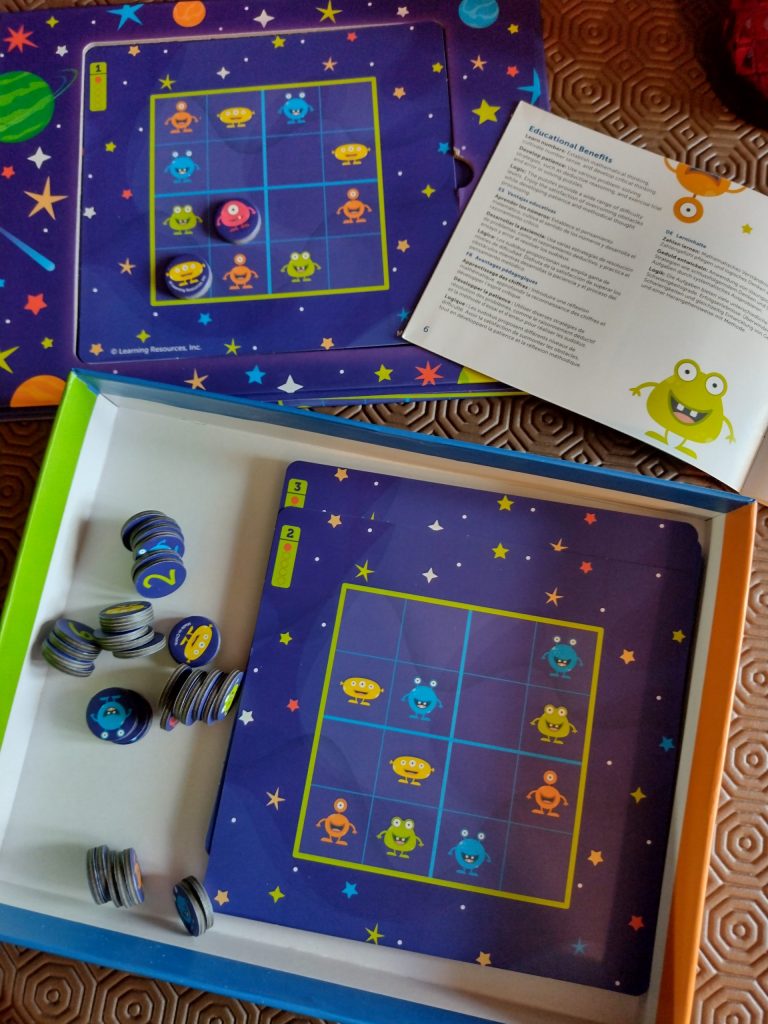
The Cognitive Mechanisms Behind Math Puzzles
At the heart of math puzzles lies a dynamic interplay of cognitive skills that directly influence logical reasoning. Learning to navigate through these intricate brain teasers not only enhances mathematical prowess but also equips individuals with vital problem-solving abilities applicable across various fields. This transformative process can be broken down into distinct cognitive benefits, each contributing to the overall development of logical reasoning.
- Analytical Skills: Math puzzles often require solvers to analyze and interpret information critically. For instance, when working on a logic-based riddle, participants must dissect the clues, evaluate their relevance, and draw conclusions based on evidence. This practice cultivates a keen sense of analysis that is invaluable in any data-driven decision-making context, from analyzing market trends to scientific research.
- Strategic Thinking: Engaging with math puzzles encourages individuals to devise strategies. Problems such as the Tower of Hanoi or certain algebraic conundrums require a solver to construct a methodical approach for successful resolution. By simulating different scenarios, participants learn to anticipate challenges and devise clear pathways to solutions, mirroring the strategies used in real-world problem-solving.
- Creative Problem Solving: Math puzzles also emphasize the need for creative thinking. Challenges like discovering alternative solutions to a given equation or rearranging shapes in a spatial puzzle require solvers to think outside the box. This creativity is a driver of innovation, as it allows individuals to approach problems from various angles, leading to novel solutions and improvements.
According to a study conducted by the National Council of Teachers of Mathematics, children who regularly engage with logic and math puzzles demonstrate significantly higher levels of problem-solving capability compared to their peers. The emphasis on reasoning and logical connections established through puzzle-solving creates a solid foundation for more advanced mathematical concepts and applications in higher education.
The Long-Term Benefits of Engaging with Math Challenges
The benefits of math puzzles extend beyond immediate problem-solving skills; they contribute to long-term cognitive development. Engaging regularly with puzzles can lead to enhanced memory retention and quicker cognitive responses. For example, many colleges across the United States, including institutions like MIT and Stanford, encourage students to participate in mathematics clubs that feature puzzle-solving competitions, reinforcing the notion that these skills translate into academic success.
Moreover, the environmental context in which these puzzles are solved can amplify their benefits. Collaborative settings, such as math clubs or online communities, foster social interaction that promotes shared learning and diverse perspectives on problem-solving. This collaborative aspect not only enhances understanding but also prepares individuals for teamwork in professional settings, a crucial trait in today’s job market.
In summary, engaging with math puzzles serves as a powerful catalyst for the enhancement of logical reasoning. By developing skills in analysis, strategy, and creative thinking, individuals can position themselves for success across various fields and contexts, making math puzzles an essential component of comprehensive education and lifelong learning.
As we delve deeper into the topic of How Math Puzzles Develop Logical Reasoning for Problem Solving, it’s crucial to highlight the multifaceted benefits that this approach delivers. Engaging with math puzzles not only boosts numerical skills but also enhances cognitive development in profound ways that are applicable to everyday life and academic pursuits.
Firstly, math puzzles foster critical thinking. When individuals encounter a challenging puzzle, they are prompted to analyze the problem from different angles, encouraging them to think outside the box. This process of exploration often leads to creative solutions and a better understanding of complex concepts. Furthermore, the ability to approach problems with a flexible mindset is invaluable in both personal and professional settings.
Additionally, solving these puzzles requires persistence and patience. Learners develop resilience as they navigate through trial and error, ultimately strengthening their problem-solving abilities. This skill translates seamlessly into various aspects of life, aiding individuals in overcoming challenges that they may face academically or in their careers.
Math puzzles also encourage collaboration and communication when solved in group settings. Individuals learn to articulate their thought processes, engage in discussions, and leverage the strengths of their peers. This collaborative environment nurtures not just logical reasoning, but essential interpersonal skills that are critical in today’s teamwork-based world.
| Category | Key Features |
|---|---|
| Critical Thinking | Enhances ability to analyze problems from multiple perspectives. |
| Resilience | Promotes persistence through challenges, fostering a growth mindset. |
| Collaboration | Encourages communication and teamwork when solving puzzles with others. |
In summary, engaging with math puzzles offers a rich tapestry of benefits that extend beyond mere numeracy. The skills cultivated through these challenges are essential for navigating the complexities of both academic and real-world problems.
DISCOVER MORE: Click here to learn how brain teasers can enhance your mental health and focus
The Connection Between Math Puzzles and Everyday Problem Solving
Math puzzles are more than just recreational activities; they are vital training grounds for enhancing logical reasoning that applies to everyday challenges. The skills developed through these puzzles seep into various aspects of personal and professional life, allowing individuals to tackle a myriad of problems with confidence.
One of the key aspects of problem solving in daily life is the capacity to approach issues from multiple angles. Math puzzles inherently train the brain to recognize different possibilities. For instance, when faced with a Sudoku puzzle, solvers must assess which numbers can fit in various spaces based on given clues. This skill translates to real-world scenarios, such as identifying the most efficient route through a busy city or devising a budget plan. The process of grid-based thinking employed in Sudoku encourages individuals to visualize constraints and stretch their cognitive boundaries.
Math Puzzles as Tools for Enhanced Decision-Making
The ability to make sound decisions under pressure is another significant advantage developed through engaging with math puzzles. For example, participants in a high-stakes math competition often face time constraints, requiring them to think critically and make quick decisions regarding the most efficient solving methods. This environment cultivates mental agility, making participants adept at evaluating options quickly and effectively.
In a professional setting, these skills can be transformative. A recent survey conducted by the Mathematical Association of America found that employers prioritize problem-solving and critical-thinking abilities in potential hires. Employees who excel at making logical connections and rapid assessments are often seen as valuable assets in industries such as technology, finance, and healthcare. Indeed, professionals who employ math-puzzle strategies can analyze data sets, determine trends, and provide innovative solutions, thus enhancing their overall effectiveness in the workplace.
- Enhanced Numerical Literacy: Engaging with math puzzles strengthens numerical comprehension, fostering a sense of comfort with complex calculations. This proficiency is increasingly important in an economy driven by data analysis and quantitative reasoning.
- Resilience in Problem Solving: The iterative process of tackling and sometimes failing at a math puzzle cultivates resilience. Regularly confronting and overcoming setbacks nurtures persistence, an essential trait for both academic pursuits and professional challenges.
- Interdisciplinary Application: The logical reasoning developed through math puzzles is not limited to mathematics alone. Fields such as computer programming, engineering, and physics heavily rely on mathematical principles. Thus, the skills honed in early experiences with math puzzles serve as a foundation for excellence in STEM careers.
The landscape of modern education recognizes the importance of these skills. Schools across the United States are increasingly incorporating puzzle-based learning into their curricula, offering not only math-focused puzzles but also interdisciplinary challenges that incorporate science and technology. Educational programs emphasizing this approach can dramatically enhance students’ engagement and retention, making the learning process both effective and enjoyable.
In summary, engaging with math puzzles is not merely a whimsical endeavor; it is a practical exercise that equips individuals with essential skills for logical reasoning and problem-solving. From cultivating decision-making abilities and enhancing numerical literacy to fostering resilience, the applications of these skills extend well beyond traditional mathematics, permeating various aspects of life and work.
DISCOVER MORE: Click here to learn how puzzles can boost your memory
Conclusion
In conclusion, the role of math puzzles in the development of logical reasoning and problem-solving skills cannot be overstated. By engaging with these intellectual challenges, individuals sharpen their ability to analyze situations from diverse perspectives, enhancing their capacity to approach a wide array of problems effectively. The skills gleaned from tackling math puzzles are not confined to academic settings; they resonate deeply in everyday life, from managing personal finances to professional decision-making.
The ability to make timely, sound decisions in high-pressure situations, as evidenced in competitive math environments, prepares individuals for success in various fields. As modern workplaces increasingly prioritize analytical skills and critical thinking, the foundation laid by engaging with math puzzles becomes a significant asset for job seekers. Furthermore, the interdisciplinary applications of these skills underscore their importance in a world that heavily relies on data and technology.
Educational systems across the United States are beginning to embrace this approach, integrating puzzle-based learning into their curricula. This shift promotes deeper engagement among students, equipping them with crucial skills far beyond mere mathematical calculations. Therefore, as we encourage the exploration of math puzzles, we not only cultivate an appreciation for mathematics but also empower individuals to flourish in an ever-evolving landscape, underscoring the profound impact of logical reasoning on problem-solving capabilities.