How Logic Games Develop Problem-Solving Skills

Exploring the Cognitive Benefits of Logic Games
In today’s fast-paced, information-driven world, the ability to think critically and solve problems is indispensable. Logic games have increasingly become popular not only for their entertainment value but also for their significant contributions to cognitive development. They present unique mental challenges that are not only engaging but also crucial for enhancing various aspects of our brain’s capabilities.
Delving deeper into the benefits offered by logic games, we find a plethora of cognitive enhancements that cater to diverse skills:
- Improved Analytical Skills: Logic games force players to critically assess situations and deduce outcomes. For instance, classic games like Sudoku require individuals to identify numerical patterns, while strategy games like chess necessitate foresight and tactical maneuvering, teaching players to anticipate their opponent’s moves.
- Enhanced Memory: Most logic games involve intricate rules and strategies that players must remember to succeed. Engaging with games such as Concentration or Memory not only improves short-term memory but also encourages players to improve their long-term retention abilities, essential for daily tasks like learning and planning.
- Increased Creativity: Logic games demand unconventional problem-solving approaches and out-of-the-box thinking. Games like Escape Rooms motivate players to think creatively under pressure, fostering innovation and adaptability—skills highly valued in the modern workplace.
Furthermore, the format of logic games is diverse, ranging from traditional puzzles and board games to modern video games that can be played on smartphones or consoles. Popular titles like Portal and The Witness challenge players to think laterally, blending logic with immersive storytelling and visually stimulating environments. Research indicates that those who regularly engage in these games experience not only enhanced problem-solving skills but also improved collaboration abilities when working with teams.
Ultimately, immersing oneself in the world of logic games can lead to substantial advancements in cognitive development. Exploring various types of logic games not only caters to individual preferences but also opens doors to discovering new ways to think and approach challenges. This journey through interactive problem-solving can enrich one’s understanding of the mind, promoting a lifelong commitment to learning and intellectual growth.
As you consider incorporating these games into your routine, contemplate the myriad possibilities they present—not just for fun but for personal development that resonates far beyond the gaming screen. Engage with friends, family, or online communities to further enhance the social aspect of logic games, and witness firsthand the transformation in your thinking abilities.
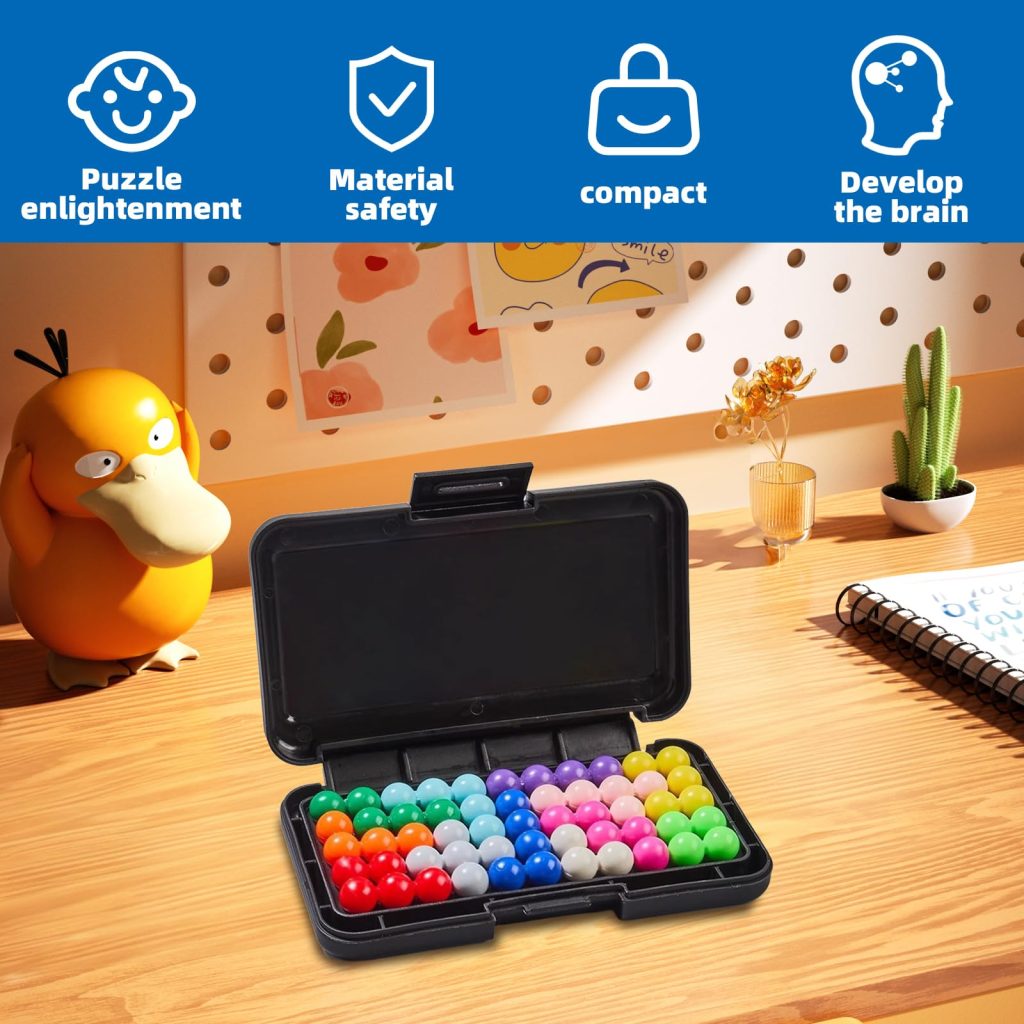
DISCOVER MORE: Click here to learn about the impact of mind games on cognitive development
The Mechanics Behind Problem-Solving in Logic Games
At the core of logic games lies a fascinating interplay between cognitive skills and problem-solving processes. These games encourage players to dissect problems into manageable parts, evaluate options, and come to informed conclusions. This structured approach not only aids in resolving the task at hand but also cultivates a skill set that is invaluable in various aspects of life.
One of the primary benefits of engaging with logic games is the development of critical thinking. Games such as chess and Go require players to analyze and evaluate multiple potential moves, promoting an understanding of strategy and foresight. This ongoing practice of weighing several outcomes sharpens decision-making skills. Players learn to recognize patterns and trends in the game environment, making informed predictions about future actions. As a result, individuals become more adept at solving complex problems that often appear in everyday situations, whether at work or in personal relationships.
Additionally, logical reasoning stands out as a key feature fostered through logic games. These games often employ formal systems of logic, challenging players to develop a series of deductions to arrive at a solution. Puzzles like Logic Grid or Lateral Thinking force participants to think systematically, enhancing their ability to approach dilemmas logically. Such exercises translate directly into real-world scenarios where disciplined thought is necessary, from academic endeavors to professional challenges.
- Cognitive Flexibility: Engaging with different types of logic games promotes adaptability by pushing players to switch between different strategies and perspectives. This flexibility helps individuals cope with unexpected changes or conflicting information in various situations.
- Persistence: Logic games often require repeated attempts to solve a single problem, teaching players the value of perseverance. This resilience is crucial in life, emphasizing that failure is simply a stepping stone to success and insightful learning.
- Collaboration: Many logic games can be played in groups or teams, fostering essential teamwork skills. Players learn to communicate effectively, delegate tasks, and build on one another’s strengths to achieve a common goal, which is vital in professional settings.
As research suggests, individuals who regularly engage in logic games experience enhanced problem-solving abilities even outside of gaming contexts. These cognitive benefits have been linked to better academic performance and heightened creativity in work environments. The more one plays, the more adept one becomes at analyzing situations, generating alternatives, and implementing solutions effectively.
In essence, the world of logic games provides a playground for the mind, where players can experiment with thought processes and strategies in a risk-free environment. By investing time in these mentally stimulating activities, individuals embark on a journey towards becoming more proficient problem solvers—a skill that is increasingly crucial in today’s complex world.
| Category | Key Features |
|---|---|
| Critical Thinking | Enhances analytical abilities by requiring players to break down problems into smaller parts. |
| Strategic Planning | Encourages long-term thought processes to devise effective solutions in complex scenarios. |
| Pattern Recognition | Promotes the ability to notice trends and make predictions based on observed data. |
| Resilience | Teaches players to manage failures and adapt their strategies when faced with challenges. |
Logic games serve as an engaging platform to bolster problem-solving skills, offering practical experiences that extend into real-life applications. Through the lens of these games, individuals can immerse themselves in scenarios that demand logical reasoning and creative thinking. As players navigate challenges, they not only enhance their cognitive functions but also cultivate a mindset geared towards continuous improvement.Moreover, the diversity of logic games, from puzzles to strategy-based competitions, provides a vast array of opportunities for players to experiment with different approaches. This dynamic interaction can lead to the development of essential skills such as collaboration and effective communication, crucial in both personal and professional realms. By participating in these mentally stimulating activities, players are subtly introduced to critical lessons related to strategic decision-making and problem resolution, further solidifying the importance of these games in enhancing problem-solving abilities.
DIVE DEEPER: Click here to enhance your skills
Cultivating a Diverse Skill Set Through Logic Games
The influence of logic games extends well beyond mere entertainment; they form the bedrock of essential skills that have a profound impact on a player’s ability to tackle real-world problems. The cognitive development facilitated by these games comes with a unique combination of fun and practicality, allowing individuals to refine their abilities in meaningful ways.
One of the unique aspects of logic games is their emphasis on strategic thinking. Take, for instance, games like Settlers of Catan or Ticket to Ride, which involve resource management and strategic planning. Players must predict their opponents’ moves, allocate resources wisely, and navigate changing circumstances throughout the gameplay. This experience translates to everyday decision-making, such as budgeting and project management, reinforcing the idea that thoughtful planning is key to overcoming obstacles.
Moreover, many logic games require a player to adopt various perspectives, bolstering skills in empathy and social awareness. When playing team-based games, such as Pandemic or Betrayal at House on the Hill, individuals must understand their teammates’ viewpoints and motivations to achieve collective success. This practice cultivates a nuanced approach to problem-solving, enabling players to consider a situation from multiple angles. As a result, they become better equipped to navigate interpersonal conflicts in professional and personal spheres.
Additionally, logic games foster a sense of time management and prioritization. Many games operate within time constraints or limited resources, pushing players to make quick yet informed decisions. For example, in games like Escape Room or Sushi Go, players are often racing against time to achieve victory. This urgency cultivates the ability to manage stress and develop quick thinking — a skill vital in today’s fast-paced world, where the ability to adapt swiftly is frequently tested.
- Analytical Skills: Logic games compel players to scrutinize data and facts, improving their analytical skills. Whether identifying patterns in a Sudoku puzzle or formulating solutions in a math-based game, individuals who engage in these activities tend to excel in analytical tasks outside of the gaming environment.
- Creativity and Innovation: The nature of logic games often requires players to approach problems with originality. Engaging with diverse puzzles and challenges encourages a mindset focused on innovation. Participants learn to think outside the box, generating creative solutions that can be beneficial in various aspects of life, from developing unique business strategies to overcoming personal challenges.
- Focus and Concentration: The intricate demands of logic games sharpen focus and concentration. This heightened mental engagement not only enhances performance in games but also translates to improved attention spans and better retention of information in academic and professional settings.
Through the myriad benefits highlighted, it becomes clear that engaging with logic games implements a well-rounded approach to nurturing problem-solving skills. Players walk away with transcendent capabilities that enable them to navigate complex environments with confidence and ease. As individuals seek to enhance their problem-solving prowess, they will find that venturing into the logical realms of these games offers both enjoyment and profound developmental opportunities.
DIVE DEEPER: Click here to discover more
The Lasting Impact of Logic Games on Problem-Solving Skills
In conclusion, the multifaceted benefits derived from logic games illustrate their profound impact on developing essential problem-solving skills. By engaging in strategic gameplay, players hone their ability to think critically and make calculated decisions, skills that directly translate to real-world situations such as management, budgeting, and interpersonal communications. These games not only challenge the mind but also cultivate a stronger sense of empathy and social awareness, essential traits in fostering teamwork and collaboration.
The time management aspects inherent in many logic games allow individuals to practice prioritizing tasks under pressure, preparing them for fast-paced environments commonplace in today’s professional landscape. Moreover, the analytical and creative thinking skills nurtured through various game formats encourage players to tackle problems innovatively, whether in business or personal settings. As players delve deeper into logic games, they often find themselves not just improving their cognitive abilities but also enhancing their overall mental resilience and adaptability.
Ultimately, the engaging nature of logic games serves as both entertainment and an invaluable tool for personal growth. As individuals increasingly seek to sharpen their problem-solving skills, exploring the world of logic games remains a promising avenue that holds the potential for substantial and long-lasting benefits. So why not take the plunge? Embrace a challenge, gather friends or family, and start your journey into the rewarding realm of logic games today.