The Psychology Behind Board Games and Their Influence on Conflict Resolution
The Psychological Impact of Board Games
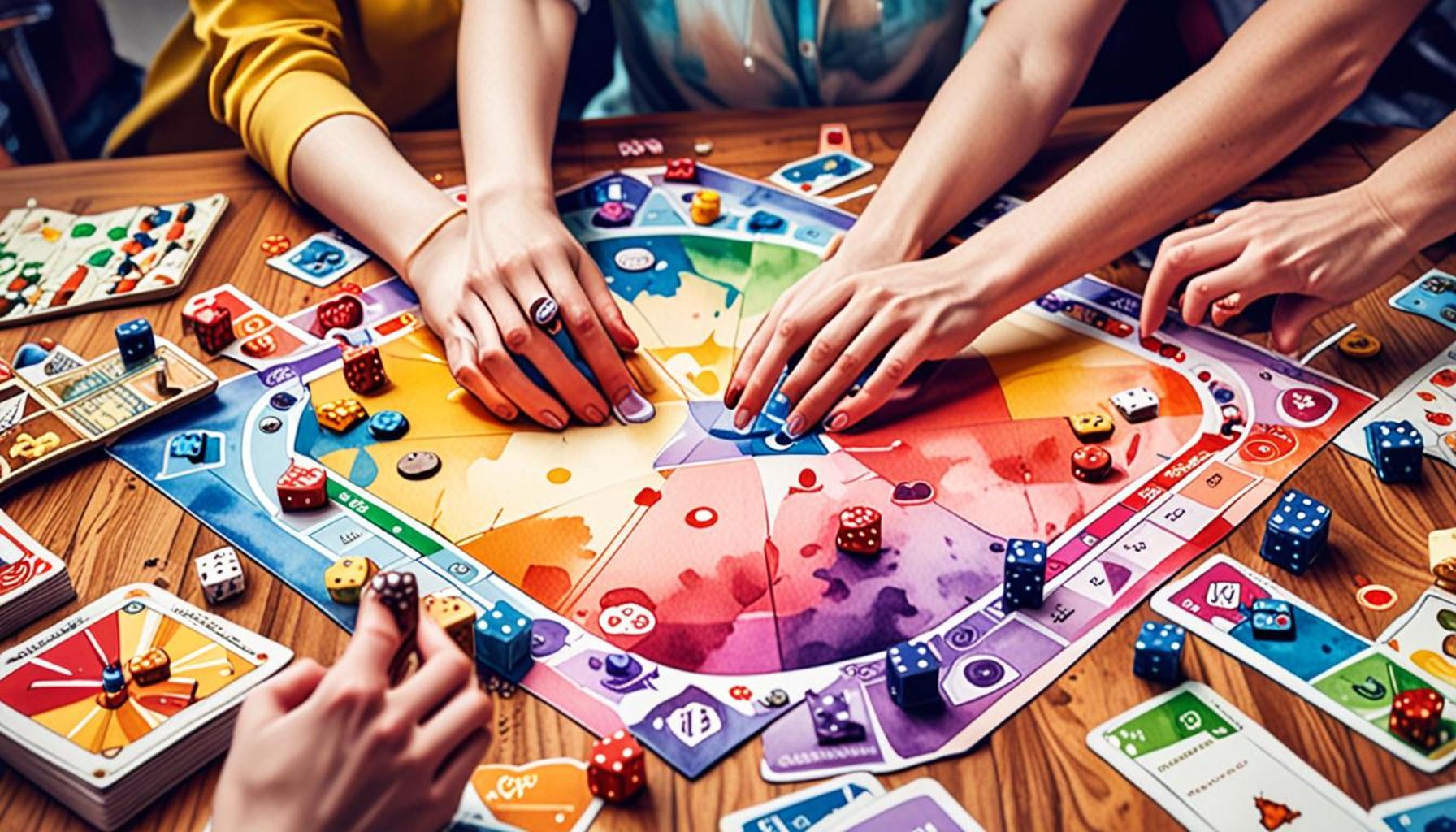
Board games serve not only as a fun pastime but also as profound tools for social interaction and psychological development. The intricate social dynamics created during gameplay can profoundly influence relationships, often encouraging players to work through conflicts and enhance their interpersonal skills. These dynamics unveil a complex interplay of emotions, logic, and communication, making board games a fascinating subject of study within psychology.
One significant aspect of board games is their ability to encourage teamwork. Many modern board games, such as Forbidden Island or Hanabi, require players to join forces to overcome challenges. In these games, success hinges on cooperation and shared strategies, cultivating a sense of community and trust among players. This collaboration not only strengthens existing friendships but also fosters new connections, showing how games can act as a bridge in forming relationships.
Additionally, board games stimulate critical thinking and planning skills. Titles like Chess and Settlers of Catan are celebrated for their strategic depth, demanding players to think several moves ahead and anticipate opponents’ actions. Engaging in such cognitive exercises can improve players’ problem-solving capabilities, which are essential in real-life situations, whether at work or in personal contexts. Research has indicated that individuals who regularly play strategy-based games tend to perform better in environments requiring quick decision-making and analytical skills.
Moreover, participating in board games enhances emotional intelligence. Players often navigate nuanced social cues and learn to interpret the emotional states of others. This is particularly evident in games like Spyfall or Codenames, where reading subtle body language and vocal tones becomes key to gameplay. Such experiences refine participants’ abilities to empathize and communicate effectively, skills that are invaluable in daily life.
The evolution of board games in the United States reflects our changing societal needs. Classic games like Monopoly and Clue provided straightforward entertainment, but today’s games are more complex and representative of modern social interactions. Games like Pandemic, for example, not only require players to strategize collectively but also highlight the importance of teamwork in overcoming adversity, echoing broader themes of collaboration essential for effective community building.
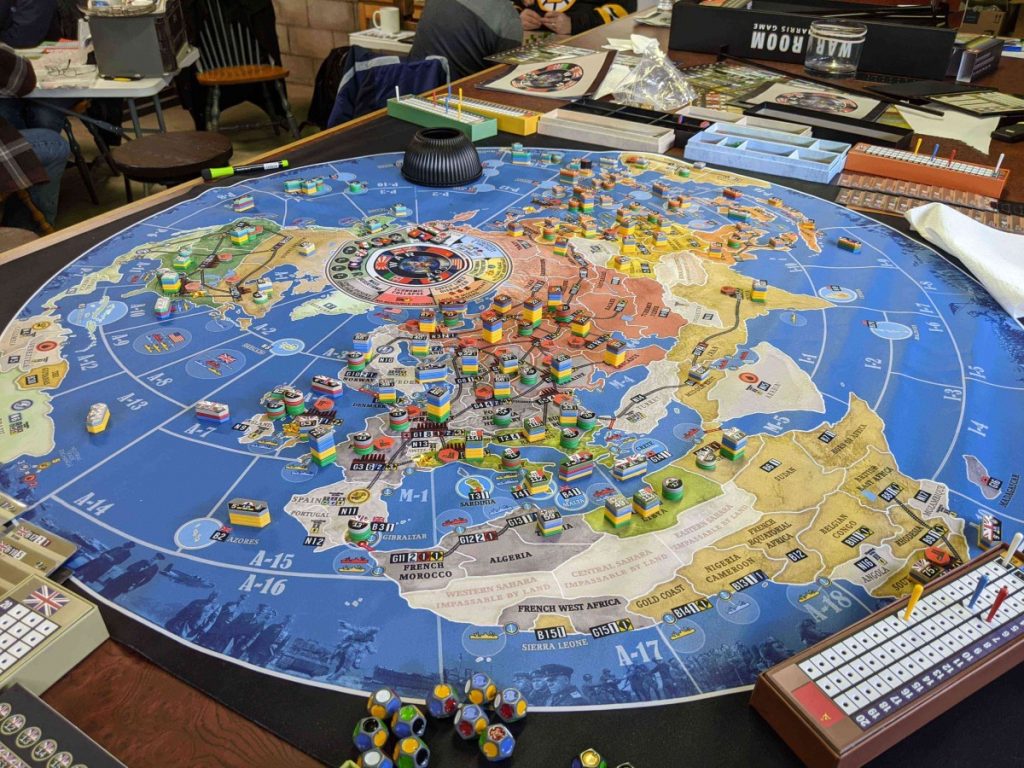
By exploring the psychology behind board games, one can uncover how these interactive experiences function as more than mere leisure activities. They serve as significant avenues for understanding and improving human behavior within social contexts. The mechanics embedded in these games open doors to discussions about conflict resolution and personal development, ultimately showing that board games can be a powerful catalyst for enriching personal relationships and enhancing societal connections.
DISCOVER MORE: Click here to dive deeper
Board Games as a Microcosm for Real-World Interactions
Board games often serve as a microcosm for real-world interactions, where players experience situations that mimic everyday conflicts and the necessity for resolution. This characteristic makes board games invaluable not only for entertainment but also for examining human behavior and psychological dynamics under pressure. When players engage in a board game, they are not simply rolling dice or strategizing over a game board; they are navigating a complex social landscape filled with emotions, decisions, and, inevitably, conflicts.
Consider the mechanics of negotiation and compromise in games like Diplomacy. This classic game revolves around alliances, betrayal, and strategic maneuvering that challenge players to negotiate with each other. Such interactions require heightened communication skills and the ability to read intentions. Players must balance their own interests with those of other players, often resulting in conflicts that must be skillfully resolved to maintain alliances and achieve goals. This reflection of real-life scenarios allows individuals to practice conflict resolution in a low-risk setting, paving the way for growth in their interpersonal skills.
Moreover, the inherent competition in many board games introduces an element of psychological stress that can lead to conflicts. Players might become frustrated with misfortunes, such as being unable to roll the desired number or facing unexpected moves from competitors. These moments reveal significant insights into players’ coping mechanisms when confronted with challenges. Research suggests that how individuals react during gameplay can provide clues about their emotional regulation in high-stress situations outside the gaming realm. For instance, a player who learns to manage their disappointment after a setback in a game can apply this resilience in their personal or professional life.
To illustrate the depth of learning that can occur through board games, consider the following benefits:
- Enhanced Communication: Players must articulate their strategies and intentions clearly, which fosters better communication skills.
- Improved Problem-Solving: The strategic nature of many board games encourages players to think critically about their moves and adjust to changing scenarios.
- Conflict Management: Negotiations and disputes present an opportunity for players to practice conflict resolution techniques, such as compromise and persuasion.
- Empathy Development: Understanding opponents’ perspectives cultivates empathy, as players must consider others’ feelings and motivations.
Research indicates that group dynamics in board games can reflect broader societal behaviors, reinforcing the idea that these games are not just for amusement but also serve as practical tools for fostering skills critical to effective conflict resolution. When individuals engage with each other in a structured game environment, they develop an awareness of their actions and their impact on others, thereby enhancing their ability to navigate conflicts gracefully in real life.
| Category | Description |
|---|---|
| Social Interaction | Board games facilitate face-to-face communication, improving interpersonal skills. |
| Problem Solving | Players engage in strategic thinking, enhancing cognitive flexibility and decision-making abilities. |
| Team Building | Collaborative games encourage teamwork, promoting trust and communication among participants. |
| Emotional Intelligence | Players learn to read emotional cues, which can reduce conflicts and foster understanding. |
The psychology behind board games plays a significant role in enhancing conflict resolution skills. Games serve as a microcosm of real-life scenarios, wherein players must navigate interpersonal dynamics while working toward a shared goal. This becomes especially noteworthy in the realm of social interaction. Engaging in board games fosters a unique environment where players must communicate effectively, potentially improving their relationships and reducing misunderstandings. Moreover, problem-solving is at the heart of many board games. Players are often placed in competitive or cooperative situations requiring strategic thinking to overcome obstacles. This cognitive exercise makes players more adept at making informed decisions under pressure. In collaborative games, such as “Pandemic,” teams must think creatively and work together, enhancing their ability to resolve conflicts as a unit. Notably, board games can bolster emotional intelligence as well. Recognizing and responding to emotional cues during gameplay can help in understanding others’ perspectives, a crucial element in resolving disputes amicably. The next time you’re faced with a disagreement, consider reaching for a board game; it might just provide the tools you need for a constructive resolution.
DISCOVER MORE: Click here to enhance your problem-solving skills
The Role of Strategy and Decision-Making in Conflict Resolution
Beyond the social dynamics, the actions taken during board games highlight the integral role of strategy and decision-making in resolving conflicts. Many games, such as Settlers of Catan and Ticket to Ride, require players to make critical choices that can lead to success or defeat—not just at the table, but in daily situations outside the gaming environment. The decisions made in these games often parallel real-life dilemmas, teaching players valuable lessons about weighing options and consequences.
For instance, in Settlers of Catan, players must manage resources and trade effectively. This dynamic compels participants to navigate resource scarcity while engaging in negotiations that can lead to both cooperation and competition. Consequently, players learn to evaluate risk, predict others’ behaviors, and adapt their strategies accordingly. By experimenting with different tactics, individuals find themselves honing their abilities to assess and respond to conflicts in a calculated manner. Those who cultivate these skills during gameplay can apply similar principles in high-stakes scenarios at work or in personal relationships.
Emotional Intelligence is another significant psychological aspect that board games can enhance. Games often evoke strong feelings—ranging from excitement to frustration—which can serve as a catalyst for developing emotional awareness and regulation. When players bear the weight of their in-game decisions and conflicts, they gain a greater understanding of their own emotional triggers. This awareness can translate into more effective interpersonal interactions beyond the game board, as individuals become adept at identifying and managing their emotional responses in real-world conflicts.
The concept of social learning also plays a crucial role in how board games can serve as tools for conflict resolution. Players learn from observing each other’s strategies and behaviors. Research indicates that witnessing others navigate disputes can provide insight into effective resolution techniques. By observing peers, individuals gain access to a repertoire of solutions that they can draw upon when confronted with conflicts themselves. This aspect is particularly relevant in group settings—whether families coming together for game night or coworkers engaging in team-building activities—where the sharing of diverse conflict resolution strategies can enrich the entire group’s skill set.
In addition to promoting conflict resolution within groups, board games also cater to individual development. Those interested in enhancing their negotiation skills might gravitate towards games with a heavy emphasis on strategy. For example, games like 7 Wonders require players to make decisions based on incomplete information, mirroring the uncertainties faced in actual negotiations. This uncertainty breeds adaptability, teaching players to remain composed and capable of adjusting their strategies fluidly, which is crucial within any conflict resolution framework.
Furthermore, the rise of cooperative board games—such as Pandemic—brings an entirely new dynamic to the discussion of conflict resolution. These games emphasize teamwork as players join forces to fight against a common enemy. This structure fosters an environment where communication and collaborative problem-solving are necessary, reinforcing the idea that partnership and teamwork can lead to overcoming conflicts effectively. The cooperative nature of such games drives home the importance of unity, collective efforts, and emotional support in resolving disputes both in the comfortable confines of a game and in real-life situations.
LEARN MORE: Click here to discover the benefits of puzzles
Conclusion
Board games extend beyond mere entertainment; they are a profoundly enriching experience that illuminates the psychological principles underlying conflict resolution. Through their interactive and strategic nature, these games mirror the complexities of interpersonal dynamics, allowing players to engage in risk assessment, negotiation, and emotional regulation. Real-life dilemmas reflected in titles like Settlers of Catan or 7 Wonders foster the development of critical thinking and adaptable strategies that can be applied outside the game board, effectively nurturing skills essential for navigating everyday conflicts.
Moreover, the impact of emotional intelligence cannot be overstated. As players traverse the emotional spectrum—from the thrill of victory to the disappointment of loss—they cultivate awareness of their feelings. This emotional insight then translates into more harmonious interpersonal interactions, both in personal and professional settings. The practice of social learning among players further enriches this experience, allowing individuals to gain diverse perspectives on conflict resolution by observing and collaborating with others.
Ultimately, cooperative games like Pandemic serve to emphasize the importance of teamwork and collective problem-solving, driving home the idea that mutual support is invaluable in conflict resolution. The exploration of these games not only encourages healthy relationships in a playful context but also equips individuals with vital skills that color their real-world interactions. As players gather around the game table, they not only engage in competition but embark on a journey of psychological growth, making board games a unique and impactful medium for learning and development.