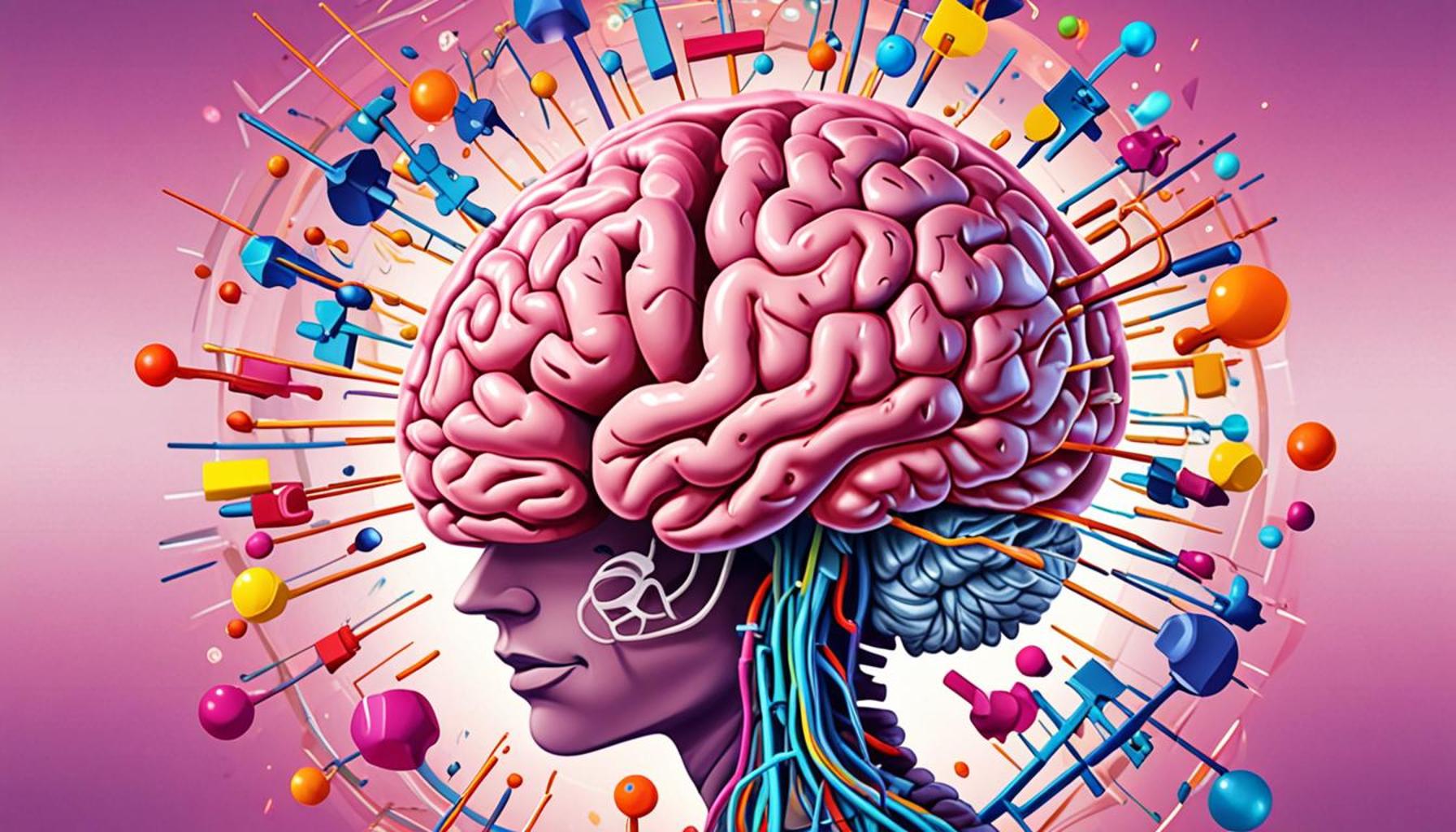
Study on the relationship between logic games and cognitive elasticity in different age groups

Understanding the Impact of Logic Games on Cognitive Flexibility
The aging process often brings about a decline in cognitive functions, particularly in areas requiring mental flexibility. Cognitive elasticity refers to the brain’s ability to adapt and reorganize itself in response to new and changing information. This adaptability is not only critical for mental sharpness but also plays a significant role in learning and problem-solving. Recent studies have increasingly focused on the potential benefits of logic games as tools for enhancing this crucial cognitive capability across different age demographics.
Logic Games and Cognitive Functions Across Age Groups
Engagement with logic games can affect cognitive functions differently, depending on the player’s age. For instance, a study published in the journal *Child Development* found that children who regularly participated in logic-based activities, such as chess or Sudoku, saw a marked improvement in their problem-solving skills and critical thinking abilities. The challenge these games present encourages children to think several steps ahead, fostering a mindset geared toward planning and analysis.
On the flip side, research indicates that adults, particularly older adults, derive significant benefits from regular engagement with logic games as well. For example, a longitudinal study found that older participants who played logic-based games like crosswords or brain teasers demonstrated improved reasoning skills and a slower decline in cognitive function over a span of five years. This enhancement in cognitive elasticity suggests that such games could be an effective means of combating age-related cognitive decline.
Types of Logic Games That Boost Mental Elasticity
Specific types of logic games have been shown to promote greater improvements in mental flexibility. Puzzles that require strategic thinking, such as logic-based board games like *Settlers of Catan* or *Pandemic*, not only challenge players to adapt their strategies but also encourage collaboration and communication, which are essential cognitive skills. Similarly, online platforms offering interactive logic puzzles have gained popularity, providing accessible ways for individuals of all ages to engage their minds actively.
Age Groups and Cognitive Improvements
Interestingly, evidence suggests that age may play a role in the level of improvement experienced through these games. Younger players, particularly children, often show rapid gains in flexible thinking from relatively short periods of game play. Meanwhile, older adults may require more sustained engagement to experience significant cognitive benefits, yet the improvements tend to be more pronounced and impactful.
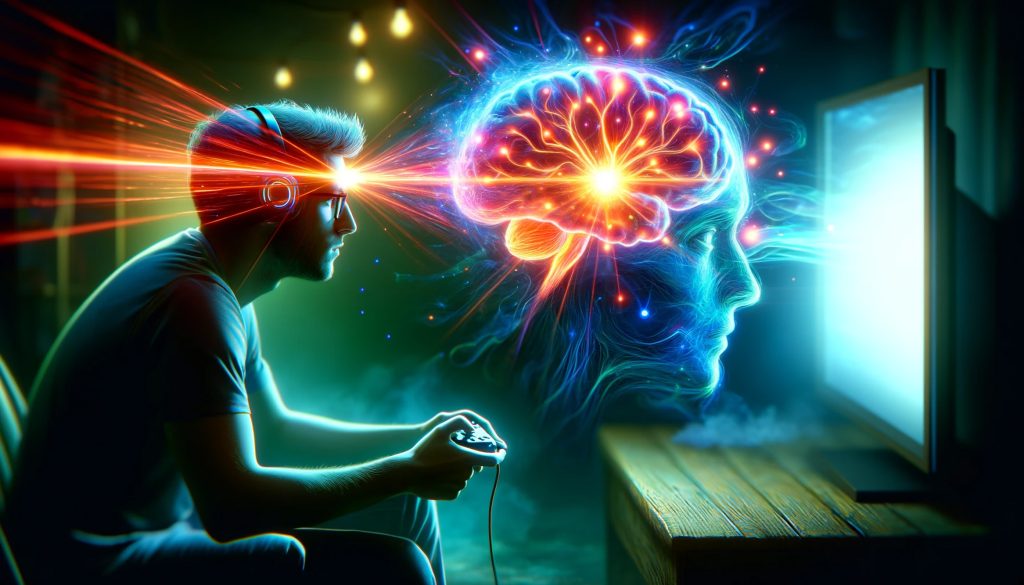
As we delve deeper into the fascinating interplay between cognitive elasticity and logic games, it becomes increasingly clear that what may initially appear as simple entertainment may hold profound implications for brain development and maintenance. Whether you are a parent seeking tools to enhance your child’s learning or an older adult looking to keep your mind sharp, integrating logical thinking games into daily routines may just be the key to unlocking greater cognitive potential. Embracing the playful side of these cognitive exercises might very well be a step towards better mental health for individuals of all ages.
DIVE DEEPER: Click here to enhance your logical reasoning skills
The Role of Logic Games in Shaping Cognitive Flexibility
Logic games, ranging from traditional board games to modern digital puzzles, have gained attention as tools for enhancing cognitive elasticity. These games require players to engage in critical thinking, strategic planning, and adaptability, making them an excellent medium for cognitive training. The relationship between these games and mental flexibility has been investigated across various age groups, revealing intriguing patterns in cognitive enhancement.
Logic Games: A Gateway to Enhanced Cognitive Skills
At their core, logic games challenge players to solve problems using deductive reasoning and strategic thinking. In children, studies have demonstrated that early exposure to such games can lay the groundwork for improved cognitive abilities. For instance, a study by the *American Psychological Association* highlighted that youngsters who regularly played problem-solving games exhibited significant improvements in their ability to focus, process information quickly, and adapt to new concepts. This is particularly critical as these foundational skills set the stage for academic success and lifelong learning.
For adult players, the mental engagement provided by logic games is equally beneficial. Innovative research published in *Aging & Mental Health* found that adults aged 50 and above who participated in logic games consistently showed a marked reduction in cognitive decline compared to their peers who did not. Activities such as *Sudoku* and chess are not just recreational; they are cognitive workouts that fortify mental agility, thus enabling older adults to retain sharper thinking patterns over time.
Benefits Unique to Each Age Group
The benefits of engaging in logic games are not one-size-fits-all. Various age groups experience distinct improvements in their cognitive elasticity, showcasing the nuanced impact of these activities. Here’s a breakdown of how different age categories respond to logic games:
- Children (Ages 5-12): Strong improvements in problem-solving and critical thinking. Games encourage team play and social skills.
- Teenagers (Ages 13-19): Enhanced strategic thinking and planning capabilities, vital for academic performance and decision-making.
- Adults (Ages 20-49): Development of multi-tasking skills, memory enhancement, and immediate problem-solving abilities.
- Older Adults (Ages 50+): Slower cognitive decline, improved reasoning abilities, and increased adaptability to new information.
These tailored benefits highlight not only the universal importance of cognitive flexibility but also the specific cognitive challenges faced by different age cohorts. Each age group can harness the power of logic games to enhance their cognitive functions in ways that are particularly aligned with their developmental needs.
As we continue to examine the potential of logic games as a fun yet effective means of promoting cognitive elasticity, the implications extend beyond just personal improvement—they touch upon broader aspects of social interaction, learning, and emotional well-being. In doing so, logic games emerge not only as an avenue for entertainment but as a significant contributor to mental health across the lifespan.
Exploring Cognitive Elasticity Through Logic Games
In recent years, there has been a growing interest in the connection between logic games and cognitive elasticity across varying age groups. This study focuses on how engaging with challenging puzzles and strategic games can enhance mental flexibility, adaptability, and problem-solving abilities. Cognitive elasticity is the capacity to switch between thinking about multiple concepts, and it plays a crucial role in effective learning and mental resilience.Research indicates that younger individuals demonstrate a rapid increase in cognitive elasticity following regular engagement in logic games. Games requiring critical thinking and strategic planning have been found to stimulate neural pathways, providing an excellent workout for the brain. In contrast, findings reveal that while older adults may not experience the same immediate benefits as younger participants, they still gain significant improvements in mental flexibility through consistent play. Interestingly, the category of cognitive games that includes Sudoku, chess, and certain video games has been highlighted for its unique ability to challenge players at different cognitive levels, fostering adaptive thinking skills tailored to their particular age-related cognitive strengths and weaknesses. This suggests a promising avenue for tailored cognitive training programs that can cater to diverse age groups.As this study continues, researchers hope to uncover more nuances regarding how different types of logic games impact individuals’ cognitive elasticity based on age. The implications of these findings could reshape how we approach cognitive training and lifelong learning, emphasizing the value of engaging, game-based methodologies. The potential benefits for education, therapy, and personal development are immense, paving the way for exciting new initiatives aimed at enhancing cognitive resilience across the lifespan.
| Age Group | Impact of Logic Games |
|---|---|
| Children & Adolescents | Enhanced problem-solving skills and critical thinking ability. |
| Adults | Improved strategic planning and mental agility through challenging puzzles. |
| Seniors | Increased cognitive retention and adaptability, sustaining mental health. |
These insights indicate the pressing need to further analyze the link between logic games and cognitive elasticity, allowing us to tailor interventions that can address specific cognitive needs across various populations.
DISCOVER MORE: Click here to enhance your skills
Understanding the Mechanisms Behind Cognitive Enhancement
The benefits of logic games in boosting cognitive elasticity are not merely anecdotal; they are rooted in neurological mechanisms that reveal how our brains adapt to new challenges across different stages of life. A growing body of research illustrates the correlation between engaging in these games and the subsequent activation of brain areas associated with problem-solving and adaptability. For instance, studies using functional MRI technology have shown that strategic games evoke increased blood flow to the prefrontal cortex, an area crucial for executive functions such as decision-making and impulse control.
Neuroscience Meets Play: The Brain on Logic Games
As players engage in logic games, they enhance their cognitive abilities by fostering neural plasticity—the brain’s ability to rewire itself and form new connections. This phenomenon is particularly evident in children and adolescents, whose brains are still in development. A notable study published in the *Journal of Neuroscience* emphasized that children who participated in logic games regularly displayed increased grey matter volume in regions linked to analytical thinking and memory. These findings support the notion that playful engagement can lead to permanent enhancements in mental faculties.
For older adults, the effects are equally significant. Research featured in *Frontiers in Aging Neuroscience* indicated that older individuals who consistently played logic games experienced improvements in working memory and executive functioning. The games serve as a mental workout that not only slows cognitive decline but also enhances the brain’s ability to process and adapt to new information. This adaptability is crucial in our rapidly changing world, where the need to learn and unlearn is increasingly vital.
Logic Games as Tools for Lifelong Learning
The varieties of logic games available today cater to diverse preferences and skill levels, making them accessible to individuals of all ages. From crossword puzzles that promote vocabulary and pattern recognition to strategy-based games like *Settlers of Catan*, each format engages and challenges players differently. For example, research published in the *International Journal of Game-Based Learning* analyzed the impact of collaborative logic games on adult learners, revealing that participants who engaged in group-based challenges reported improved communication skills and increased confidence in their problem-solving abilities.
Additionally, the digital age has ushered in a new era of logic games that utilize technology to enhance engagement and facilitate learning. Educational apps and online platforms provide customized experiences that adapt to the user’s skill level, fostering increased participation and learning. A study from *PLOS ONE* found that adults who played mobile brain training games showed a significant improvement in cognitive flexibility, proving that even short bursts of gameplay can yield substantial cognitive benefits.
Social Dynamics and Cognitive Games
Engagement in logic games is not only beneficial for individual cognitive development but also fosters social interaction and emotional well-being. Community centers, schools, and even online platforms create spaces for players to share strategies, collaborate on challenges, and derive motivation from one another. Such social dynamics are particularly beneficial for older adults, as maintaining social connections has been shown to combat feelings of isolation and improve overall mental health.
In summary, the interplay between logic games and cognitive elasticity extends beyond mere leisure. The evidence reveals a compelling story of how structured play can refine our cognitive abilities and facilitate lifelong learning, making it a worthy pursuit for all age groups. The benefits of engaging with such games offer far-reaching implications—not only for personal intellectual growth but also for social interactions and community well-being.
DIVE DEEPER: Click here to enhance your skills
Conclusion: Embracing Cognitive Growth Through Logic Games
In investigating the relationship between logic games and cognitive elasticity across various age groups, we uncover a profound connection that not only highlights the benefits of play but also encourages a holistic approach to lifelong learning. The evidence suggests that engaging in logic games activates critical areas of the brain, enhancing cognitive abilities in both the young and the elderly. For children, these games nurture the essential capacities of analytical thinking and memory, laying a strong foundation for future learning. Meanwhile, for older adults, they provide a mental exercise that combats cognitive decline while simultaneously fostering greater adaptability in an ever-evolving world.
Importantly, the rise of digital platforms has made these cognitive tools more accessible than ever, allowing individuals from all walks of life to participate and benefit. As players navigate through logic games, they also experience social interactions that enrich their emotional well-being—an often overlooked advantage that reinforces the idea that cognitive health is interlinked with social connectivity.
The implications of these findings encourage us to incorporate logic games into educational curricula, community programs, and even daily routines. The evidence calls for further exploration and investment in cognitive training tools that promote both intellectual and social growth. As we continue to delve into the intricate relationship between logic games and cognitive elasticity, it becomes increasingly clear that these playful endeavors can significantly enhance the quality of life for individuals of all ages. By embracing the challenges posed by logic games, we position ourselves not just for personal growth but also for richer, interconnected communities.