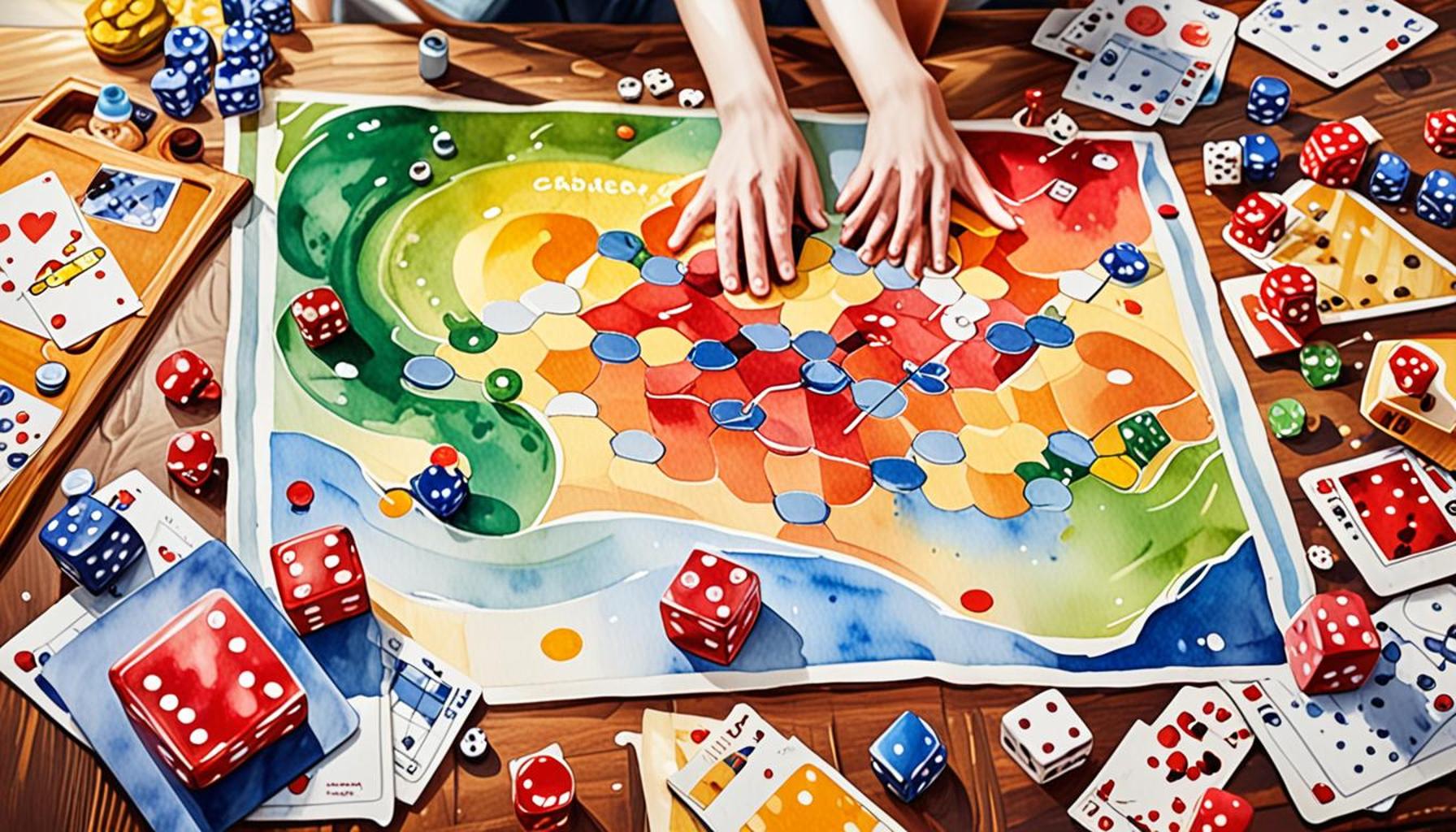
The relationship between challenging video games and the improvement of spatial memory
The Cognitive Advantages of Video Gaming
In recent years, video games have transformed from simple pastimes to complex experiences that engage players on multiple levels, including cognitive development. One significant area of focus is spatial memory, the mental ability to depict and recall the positions of objects in space, which can have profound implications on how individuals navigate their world. Research has begun to unveil a correlation between playing certain types of video games and measurable improvements in this vital cognitive skill.
Immersive Environments
Many modern video games offer richly detailed worlds, demanding that players memorize intricate spatial configurations. For instance, titles like The Elder Scrolls V: Skyrim immerse players in a vast, open world filled with diverse landscapes—from dense forests to expansive mountains. These immersive settings require players not only to traverse the environment but also to remember where critical items or landmarks are located, enhancing their spatial memory.
Problem-Solving Elements
In addition to exploring vast landscapes, many games incorporate complex problem-solving mechanics that challenge players’ spatial reasoning. Puzzle-centric games like Portal force players to consider spatial relationships to overcome obstacles and progress through levels. Such gameplay mechanics require a deep understanding of geometry, angles, and physical space, thereby promoting cognitive flexibility and enhanced mental mapping abilities.
Real-Time Navigation
Games that require players to make decisions quickly can also sharpen real-time navigational skills. For example, in Fortnite, players must efficiently move through a dynamic battleground, often under pressure, to avoid threats and seize opportunities. This kind of fast-paced environment fosters rapid mental processing and enhances players’ capacity to navigate both virtual and real-world settings more effectively.
Recent studies have highlighted that players of action-adventure games, such as Grand Theft Auto V, exhibit improved spatial awareness and memory retention compared to non-gamers. These cognitive benefits hint at potential applications beyond gaming, suggesting that the skills honed through frequent gameplay could translate to everyday tasks like map reading or navigating public transportation systems. For instance, individuals who regularly engage in gaming may find themselves better at remembering directions or locating items in cluttered spaces.
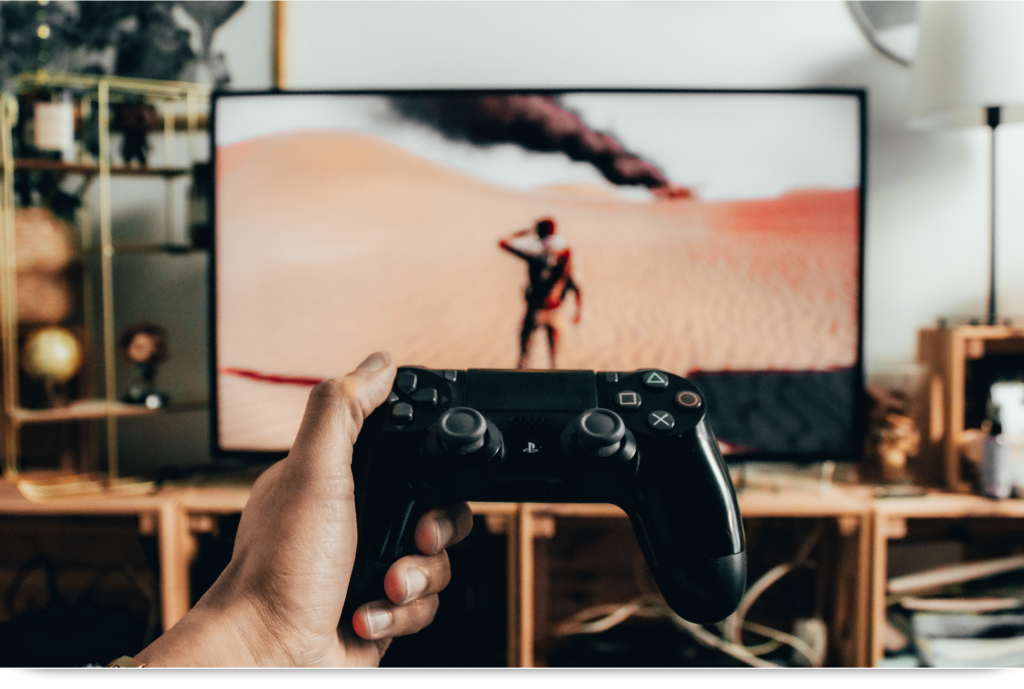
As video gaming continues to be integrated into popular culture, the conversation surrounding its cognitive impact warrants serious attention. Are we simply enjoying our time in front of screens, or are we sharpening skills that may serve us in our daily lives? The evidence increasingly supports the latter hypothesis, beckoning further investigation into the intricacies of this fascinating connection.
DISCOVER MORE: Click here to learn about the impact of mind games on children’s cognitive development
The Impact of Game Design on Cognitive Skills
The intricate design of many video games plays a crucial role in fostering spatial memory enhancement. Developers often utilize engaging features that not only capture players’ attention but are strategically constructed to challenge their cognitive abilities. These elements combine to create environments that encourage repeated engagement and skill development.
Interactive Learning and Exploration
The interactive nature of video games allows players to learn and adapt as they progress through various challenges. Games such as Legend of Zelda: Breath of the Wild require players to explore their surroundings actively, encouraging them to internalize the layouts of complex terrains. As players navigate these environments, they must construct mental maps that aid in remembering locations of critical resources or objectives, thereby honing their spatial memory skills.
Enhanced Attention and Focus
Challenging video games demand high levels of attention and focus, which are essential for improving spatial memory. Players often need to multitask, keeping track of multiple factors such as enemy movements, resource management, and mission goals. This heightened focus can lead to better retention of spatial information. Research has shown that gamers who frequently engage in such high-stakes environments demonstrate an improved ability to remember the locations and arrangements of objects over time.
Types of Video Games Promoting Spatial Memory Improvement
Not all video games contribute equally to spatial memory enhancement. The following types typically lead to better cognitive outcomes:
- Action Games: Titles like Call of Duty and Apex Legends challenge players with dynamic environments and quick decision-making.
- Puzzle Games: Games such as Tetris require players to visualize and manipulate shapes, enhancing spatial reasoning.
- Simulation Games: Games like SimCity and The Sims demand players to construct and navigate complex virtual worlds.
- Role-Playing Games: Titles like Dark Souls involve intricate maps and environments that players must learn to traverse effectively.
By regularly engaging with these types of games, players can experience improvements in their spatial memory capabilities. Studies indicate that gamers report higher levels of spatial awareness and greater proficiency in tasks requiring spatial orientation after extensive gameplay. This trend opens up conversations about the broader implications of gaming on education and personal development.
As research into these cognitive benefits advances, the potential of video games as tools for enhancing spatial memory becomes increasingly clear. The compelling evidence suggests that while video games serve as entertainment, they also hold educational value, necessitating a deeper exploration of their role in cognitive development.
| Advantages | Description |
|---|---|
| Enhanced Navigation Skills | Players often memorize complex maps, improving their ability to navigate real-world environments. |
| Improved Memory Retention | Challenging games require players to recall information rapidly, bolstering their overall memory retention capabilities. |
| Problem-Solving Skills | Complex gameplay encourages strategic thinking and enhances the ability to solve spatial problems. |
| Stimulated Brain Activity | Engagement in intense gaming activates various brain regions tied to spatial understanding. |
DISCOVER MORE: Click here to dive deeper
The Neuroscience Behind Gaming and Spatial Memory
Understanding the neuroscience of how video games enhance spatial memory provides deeper insights into the cognitive benefits these experiences offer. As players interact with game environments, several brain regions are activated, particularly those associated with learning and memory. Notably, the hippocampus, critical in the creation of spatial maps, shows increased activity during gameplay that demands navigation and spatial reasoning.
Brain Plasticity and Gaming
One of the most fascinating aspects of engaging in challenging video games is the potential for brain plasticity. This phenomenon refers to the brain’s ability to reorganize itself by forming new neural connections throughout life. Research indicates that gaming can stimulate this process, particularly in young adults. Longitudinal studies have suggested that individuals who regularly play spatially demanding games show increased grey matter volume in the hippocampus and improved cognitive functions related to navigation and memory retention.
Real-World Applications
The improvements in spatial memory facilitated by video gaming may have real-world applications outside the gaming context. For instance, fields such as architecture, engineering, and urban planning can benefit from individuals with refined spatial awareness. Emerging evidence suggests that training using simulation games can enhance the architectural design skills in students by enabling them to visualize complex structures and environments. Such applications underscore the potential of gaming as a tool for professional development, illustrating how virtual challenges can translate into tangible, practical skills.
Gender Differences in Spatial Skill Development
Interestingly, research has also highlighted gender differences in the enhancement of spatial memory through gaming. Studies suggest that males, who traditionally play more action-oriented games, may initially exhibit superior spatial navigation skills compared to females. However, this disparity narrows with increased exposure to puzzle and simulation games among women. Enhanced performance in spatial tasks can lead to a more equitable playing field, demonstrating that these games can effectively level the cognitive development opportunities across genders.
The Role of Augmented Reality (AR) and Virtual Reality (VR)
As technology evolves, the rise of Augmented Reality (AR) and Virtual Reality (VR) games presents unprecedented opportunities for developing spatial memory. These immersive experiences create more compelling, engaging environments that challenge players’ spatial reasoning skills. For instance, games like Pokémon Go integrate real-world navigation with gaming, pushing players to remember routes and landmarks in their environment. Emerging research indicates that AR and VR could propel the efficacy of spatial memory training to new heights, potentially transforming rehabilitation techniques for individuals recovering from brain injuries.
With increasing attention on the cognitive benefits of video games, it becomes essential to consider how game developers can leverage these findings to create more effective educational experiences. Integrating principles of cognitive development into game design can lead to future titles that not only entertain but also significantly contribute to improving players’ spatial memory abilities. As we delve deeper into this integration, the possibilities for interactive learning through gaming remain boundless and exciting.
DISCOVER MORE: Click here to enhance your mental wellness
Conclusion: Unlocking Cognitive Potential Through Gaming
The relationship between challenging video games and the improvement of spatial memory is clearly defined by a fusion of cognitive neuroscience and practical applications. Research indicates that engaging with these immersive gaming experiences positively affects brain regions responsible for navigation, particularly the hippocampus. As players traverse complex environments, they enhance their spatial reasoning and memory capabilities, demonstrating a unique interplay between brain plasticity and gaming.
Furthermore, the real-world applications of these skills extend far beyond recreational enjoyment. Professions in architecture, engineering, and urban planning can greatly benefit from individuals who possess refined spatial awareness. The potential for using simulation games as training tools showcases how gaming can bridge theoretical knowledge with practical skills, enhancing professional growth and development.
Additionally, the influence of gender differences on spatial skill development reveals how exposure to various game genres can level the playing field, fostering a more equitable cognitive environment. The continued evolution of technologies such as AR and VR introduces even more dynamic opportunities for enhancing spatial memory, hinting at a future where memory training through interactive experiences could revolutionize rehabilitation and education.
As we explore the cognitive benefits of challenging video games, it becomes increasingly important for game developers to incorporate findings that promote educational experiences while entertaining players. The journey of unlocking cognitive potential through gaming is just beginning, and ongoing research promises to unveil further insights, making it clear that the intersection of play and cognitive growth harbors limitless possibilities.