Brain Teasers and Neuroplasticity: How Solving Puzzles Transforms the Brain
Exploring the Impact of Mental Challenges
Have you ever experienced the exhilaration that follows the successful completion of a tricky puzzle? This surge of energy can be attributed to a fascinating process occurring within your brain. Engaging in brain teasers isn’t just a fun pastime; it encourages significant neurological changes, thanks to the remarkable concept of neuroplasticity. This process allows the brain to adapt, reorganize, and even form new neural connections throughout your life based on your experiences and learning.
Brain teasers come in a myriad of engaging forms, each offering distinct cognitive benefits:
- Logic puzzles require critical thinking and deductive reasoning, making them excellent tools for developing the brain’s analytical faculties. For example, classic riddles or grid-based puzzles compel participants to think several steps ahead.
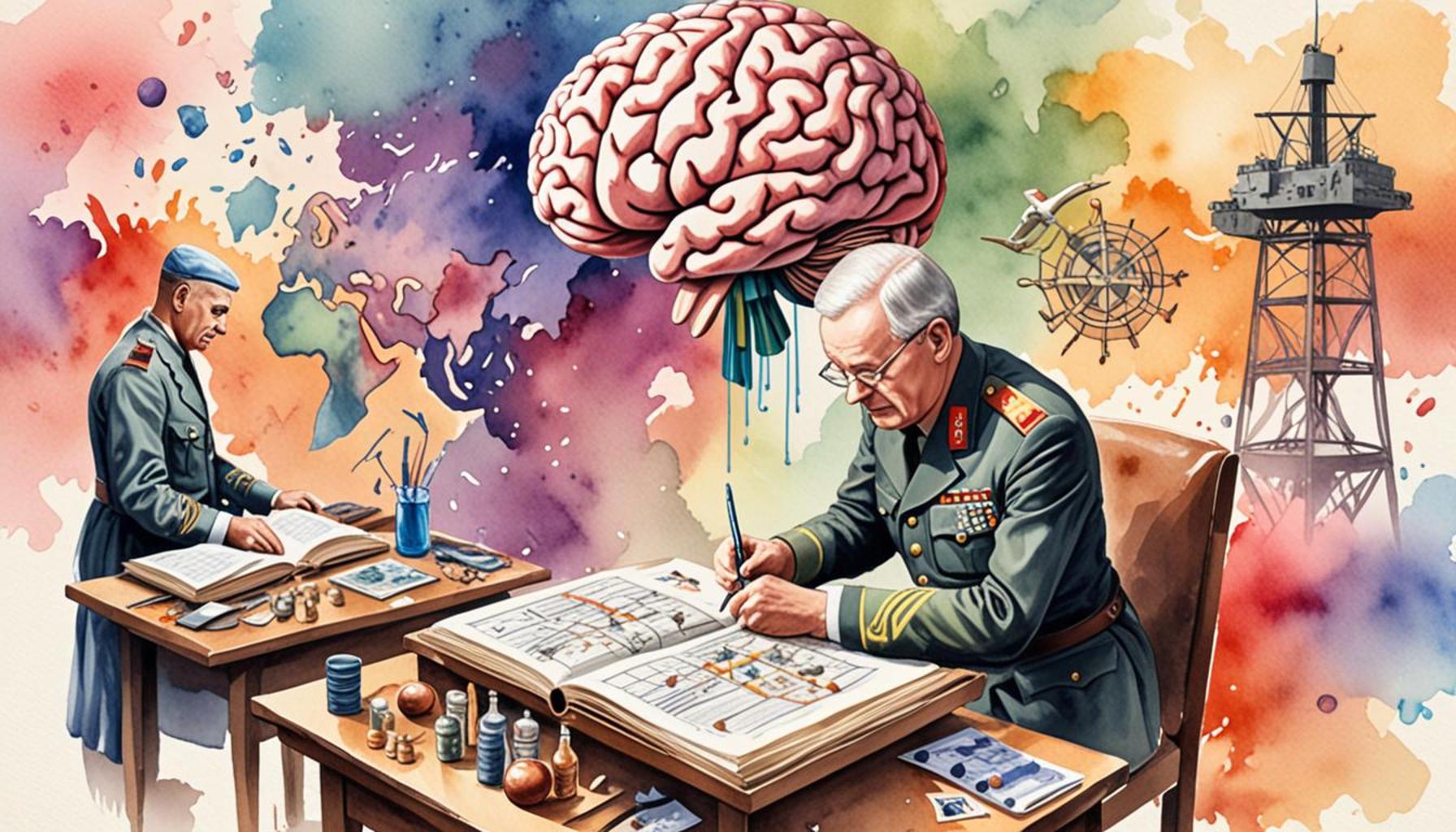
- Crossword puzzles enhance vocabulary and memory recall. A study by the University of California found that regular participation in crossword puzzles can help maintain cognitive health into older age, as participants often recall words and meanings, keeping their language skills sharp.
- Sudoku sharpens numerical skills and encourages pattern recognition. It promotes a methodical approach to problem-solving, which can be directly applied to everyday life, from budgeting to planning schedules.
Challenging our minds through these activities not only stimulates immediate cognitive function but also strengthens the foundation of our cognitive health over time. Research indicates that regular engagement in mental exercises can:
- Boost memory and cognitive functions, making it easier to retain and retrieve information.
- Delay the onset of age-related cognitive decline, providing older adults with a vital tool for maintaining their cognitive faculties.
- Improve problem-solving skills, which are critical not just in academia but in daily decision-making.
Diving deeper into the nexus of brain teasers and neuroplasticity reveals a fascinating interplay that highlights our brains’ remarkable capacity for growth and adaptation. Notably, activities as simple as solving a Sudoku puzzle or completing a crossword can yield profound changes in brain structure and function, emphasizing the principle that challenging our minds is crucial for long-term brain health.
Are you prepared to delve into the captivating world of mental puzzles and discover how these enticing challenges can reshape your cognitive landscape? Engaging your mind with brain teasers is a compelling way to not only entertain yourself but also to unlock a wealth of cognitive benefits that last a lifetime.
DISCOVER MORE: Click here to delve into the evolution of brain teasers
The Science Behind Neuroplasticity and Cognitive Growth
The brain is often likened to a complex, intricate network, capable of growth and change throughout a person’s life. Neuroplasticity, the brain’s ability to reorganize itself by forming new neural connections, is a cornerstone of this adaptability. Engaging in activities that challenge the mind, such as brain teasers, can stimulate these changes, leading to enhanced cognitive function and overall mental agility.
When we solve brain teasers, our brains are engaged in a dynamic workout. This engagement is crucial for developing new pathways and strengthening existing ones, much like how physical exercise builds and maintains muscle. Recent research highlights several key advantages linked to the practice of completing brain challenges:
- Enhanced Connectivity: As individuals tackle complex puzzles, their brains create new synapses, which enhances communication between neurons. This increase in connectivity promotes better cognitive performance and improved mental clarity.
- Cognitive Reserve: Individuals who engage regularly in mentally challenging activities may develop a cognitive reserve that serves as a buffer against age-related cognitive decline. Studies suggest that those with a rich history of mental engagement, such as solving puzzles or playing strategic games, tend to maintain their cognitive functions longer than those who do not.
- Improved Executive Function: Executive function is responsible for high-level cognitive processes such as planning, problem-solving, and decision-making. Engaging with brain teasers has been shown to improve these critical skills, allowing individuals to navigate complex tasks with greater ease.
Moreover, individuals often report a sense of satisfaction and accomplishment upon solving these mental challenges, which can lead to the release of neurotransmitters like dopamine, contributing to feelings of happiness and motivation. This positive reinforcement creates a compelling cycle: as one continues to engage in brain teasers, they not only enjoy the immediate gratification of solving a problem but also reap long-term cognitive benefits.
Exploring how various types of brain teasers influence our mental capacity reveals further intriguing patterns. Different puzzles target various cognitive skills, and understanding the specific areas of the brain they activate can offer insight into their transformative power. Consider the effect of logical puzzles, which primarily engage the prefrontal cortex—the brain region linked to complex thought processes—or the linguistic demands of crossword puzzles, which stimulate areas associated with vocabulary and memory.
Collectively, these activities paint a vivid picture of the brain’s malleability. As we embrace the challenge of brain teasers, we participate actively in reshaping our cognitive landscape. The implications for lifelong learning and mental health are profound, emphasizing the idea that nurturing a curious and challenged mind is critical for not only today’s functions but also for the years to come.
Delving Deeper into Neuroplasticity
Neuroplasticity refers to the brain’s incredible ability to adapt and reorganize itself throughout a person’s life. This transformative quality is particularly enhanced when individuals engage in challenging cognitive activities—such as solving brain teasers. The act of tackling these puzzles stimulates various cognitive functions, which can lead to significant changes in brain structure and efficiency.When you solve a puzzle, your brain activates multiple regions, including those responsible for memory, problem-solving, and critical thinking. This engagement encourages the formation of new neural connections, thereby enhancing cognitive flexibility. Studies have shown that individuals who regularly engage in mentally challenging activities experience a decrease in cognitive decline as they age.
Brain Teasers as Tools for Growth
Brain teasers are not just entertaining; they serve as effective tools in promoting overall brain health. They provide a safe platform for individuals to challenge their cognitive capabilities without the high stakes of real-life implications. For instance, puzzles like Sudoku, crosswords, and logic games can be easily integrated into daily routines, making them accessible to everyone.Furthermore, the pursuit of solving brain teasers fosters a sense of achievement. Each time a puzzle is completed, it triggers a release of dopamine, a chemical associated with feelings of satisfaction and motivation. This positive reinforcement encourages continued engagement, creating a cycle that promotes lifelong learning and cognitive resilience.By incorporating brain teasers into daily life, individuals are not just exercising their minds; they are enhancing their overall quality of life. The benefits extend beyond mere entertainment, since these activities can also improve mood and reduce stress levels, creating a more balanced mental state.
The Scientific Backing
Research conducted by cognitive neuroscientists suggests that engaging in challenging mental exercises can result in the thickening of the cerebral cortex, which is responsible for complex cognitive tasks. With a thicker cortex, individuals may enjoy improved executive functions such as decision-making, focus, and task management. In essence, solving brain teasers serves as a simple yet potent means of promoting neuroplasticity, pushing individuals to stretch their cognitive abilities, and enjoying the process along the way. As we continue to uncover the astounding capacity of our brains, engaging in these types of mental exercises may hold the key to not just maintaining our mental acuity but truly transforming our cognitive landscape.
A Practical Approach to Integration
To reap the advantages of brain teasers, it is crucial to integrate them into daily life in practical ways. Set aside time during your day for short puzzle sessions; this could be in the morning with a cup of coffee or during a relaxing break at work. Consider incorporating digital applications or puzzle books tailored to your cognitive level, ensuring both enjoyment and challenge. By making brain teasers a regular part of your routine, you’re not just challenging yourself—you’re consciously enhancing your neuroplastic potential and paving the way for a healthier, more agile mind. Explore the world of brain teasers today and unlock the hidden capabilities of your brain!
| Advantages of Brain Teasers | Impact on Neuroplasticity |
|---|---|
| Enhances Cognitive Function | Stimulates multiple brain regions, promoting sharper memory and decision-making skills. |
| Reduces Cognitive Decline | Engagement in brain teasers is linked to decreased risk of dementia and other age-related cognitive issues. |
| Boosts Emotional Well-being | Completing puzzles releases dopamine, enhancing mood and motivation. |
| Improves Neuroplasticity | Facilitates the growth of new neural connections, making the brain more adaptable. |
DISCOVER MORE: Click here to enhance your problem-solving skills
Unlocking Different Cognitive Skills Through Diverse Brain Teasers
As we dive deeper into the realm of brain teasers and their connection to neuroplasticity, it’s essential to understand that not all puzzles activate the same cognitive skills. Each type of brain teaser can be seen as a unique key, unlocking different areas of the brain and nurturing various aspects of cognitive ability. The distinction lies in the nature of these challenges, and their resulting effects on mental pathways are profound.
For instance, consider the impact of math puzzles. These challenges not only stimulate basic arithmetic skills but also encourage critical thinking and analytical abilities. Engaging with numerical brain teasers, like Sudoku, can activate the brain’s parietal lobe, which is responsible for processing numerical information. A growing body of evidence suggests that regular practice with math puzzles can enhance quantitative reasoning skills, which are vital not only in academic settings but also in everyday decision-making, from budgeting to strategic planning.
Another popular category, logic puzzles, such as riddles and lateral thinking problems, provoke the brain to think outside the box. Research indicates that these types of puzzles activate the temporal lobes, areas associated with visual processing and reasoning. By tackling logic challenges, individuals often enhance their ability to approach problems from multiple angles, fostering creative solutions—a skill that can be beneficial in both personal and professional contexts.
Furthermore, memory-oriented puzzles, like memory games and matching card games, can lead to heightened memory function by exercising the hippocampus, a critical region linked to memory formation and retrieval. Studies have shown that older adults who regularly participate in memory-focused brain teasers exhibit less decline in memory performance compared to peers who engage less frequently in such exercises. This underscores the potential of brain teasers to mitigate age-related cognitive decline.
Language-based puzzles, including word searches and crossword puzzles, are not only entertaining but also serve a substantial purpose. These challenges stimulate both the occipital lobe, responsible for visual processing, and the Broca’s area, associated with language production. They encourage vocabulary expansion and improve linguistic skills, which is particularly beneficial for those learning new languages or wishing to enhance their communication prowess. It’s fascinating to note that studies have shown bilingual individuals who engage in such puzzles display improved cognitive flexibility, making them adept at switching between tasks.
Moreover, the benefits of engaging with brain teasers extend beyond the individual. Communities and social groups that incorporate puzzle-solving activities often experience a boost in social bonding and cooperation. Working together to solve a challenging puzzle fosters teamwork and communication, while also creating shared moments of enjoyment and accomplishment. This social engagement, in turn, can lead to increased mental well-being, demonstrating that the transformational powers of brain teasers can reach far beyond personal cognition.
In summary, the diverse landscape of brain teasers offers a treasure trove of opportunities for cognitive engagement. As individuals embrace the challenges presented by various types of puzzles, they not only enhance their skills in distinct cognitive domains but also contribute to a broader understanding of how neuroplasticity enables lifelong learning and adaptability. Each puzzle solved encapsulates an investment in the brain’s potential, paving the way for a more agile and responsive cognitive landscape.
DISCOVER MORE: Click here to dive deeper
Conclusion: The Endless Possibilities of Puzzle-Solving
In conclusion, the journey through the intricate relationship between brain teasers and neuroplasticity reveals a compelling narrative of transformation and growth within the human brain. Engaging with various types of puzzles not only sharpens distinct cognitive skills such as math, logic, memory, and language but also harnesses the brain’s remarkable ability to adapt and rewire itself. Each challenge confronted is an opportunity to enhance mental agility and foster lifelong learning—a crucial aspect in today’s fast-paced world.
The exciting implications extend beyond individual cognition; they encompass broader social dynamics as well. Collaborative puzzle-solving cultivates not just intellectual but also emotional connections, fostering communities grounded in teamwork and shared success. As we embrace brain teasers, we not only invest in our mental capabilities but also build networks of enduring relationships that bolster our overall well-being.
As we gaze into the future of cognitive enhancement, incorporating regular puzzles into daily routines seems essential. This trifecta of enjoyment, social interaction, and brain training unlocks potential pathways for continued development, ultimately leading to sharper minds and healthier lives. Whether you’re a seasoned puzzler or just stepping into this stimulating arena, the message is clear: the art of puzzle-solving is not merely a pastime; it is a powerful tool that can pave the way for lifelong cognitive resilience and adaptability.
By recognizing the profound influence of brain teasers on our neuroplastic capabilities, we can actively engage in practices that not only challenge our minds but also create enduring pathways for growth and connection. Dive into the world of puzzles, and discover the transformative power they hold for you and your community.