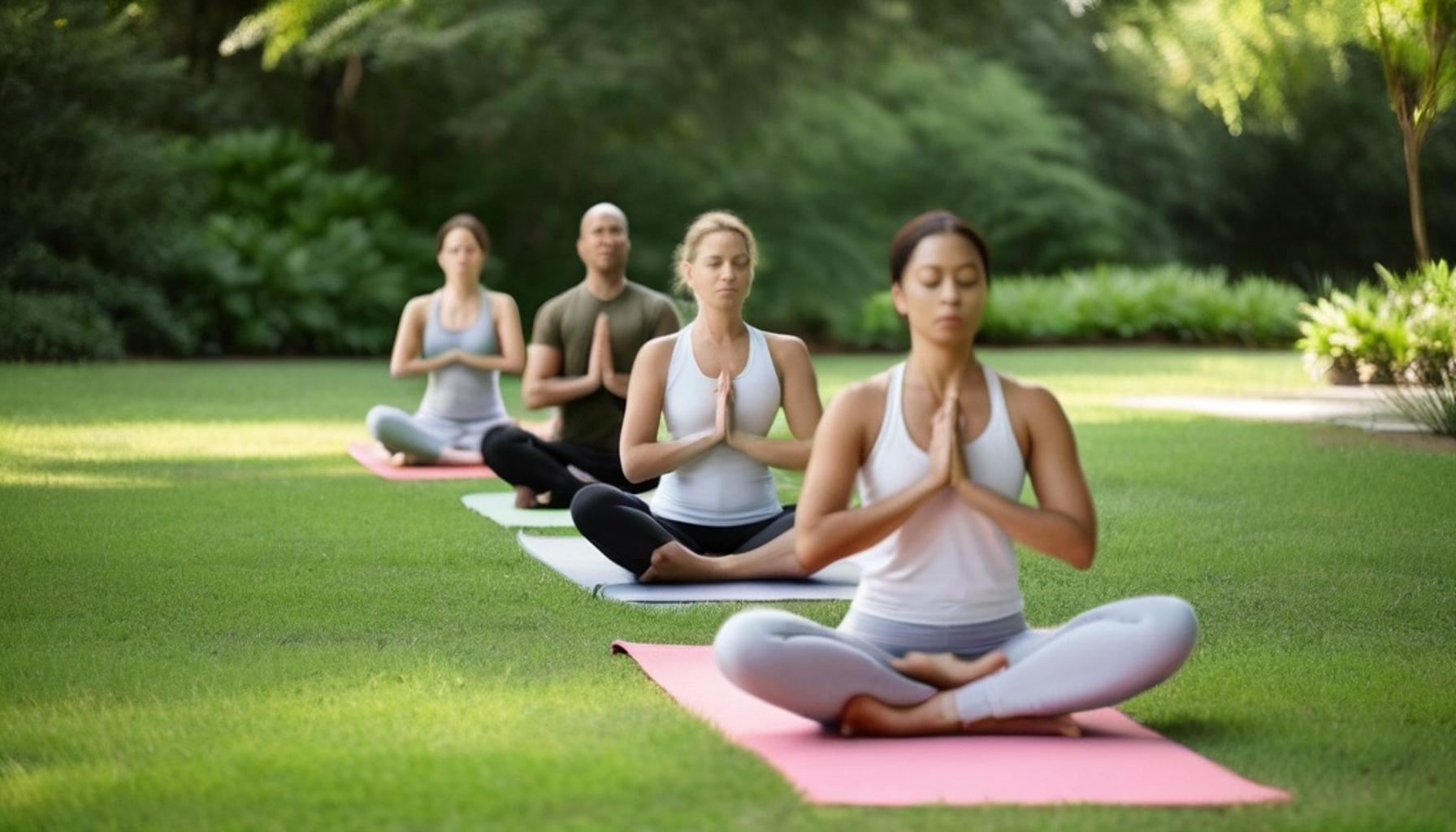
Breathing Techniques to Manage Stress in Critical Moments
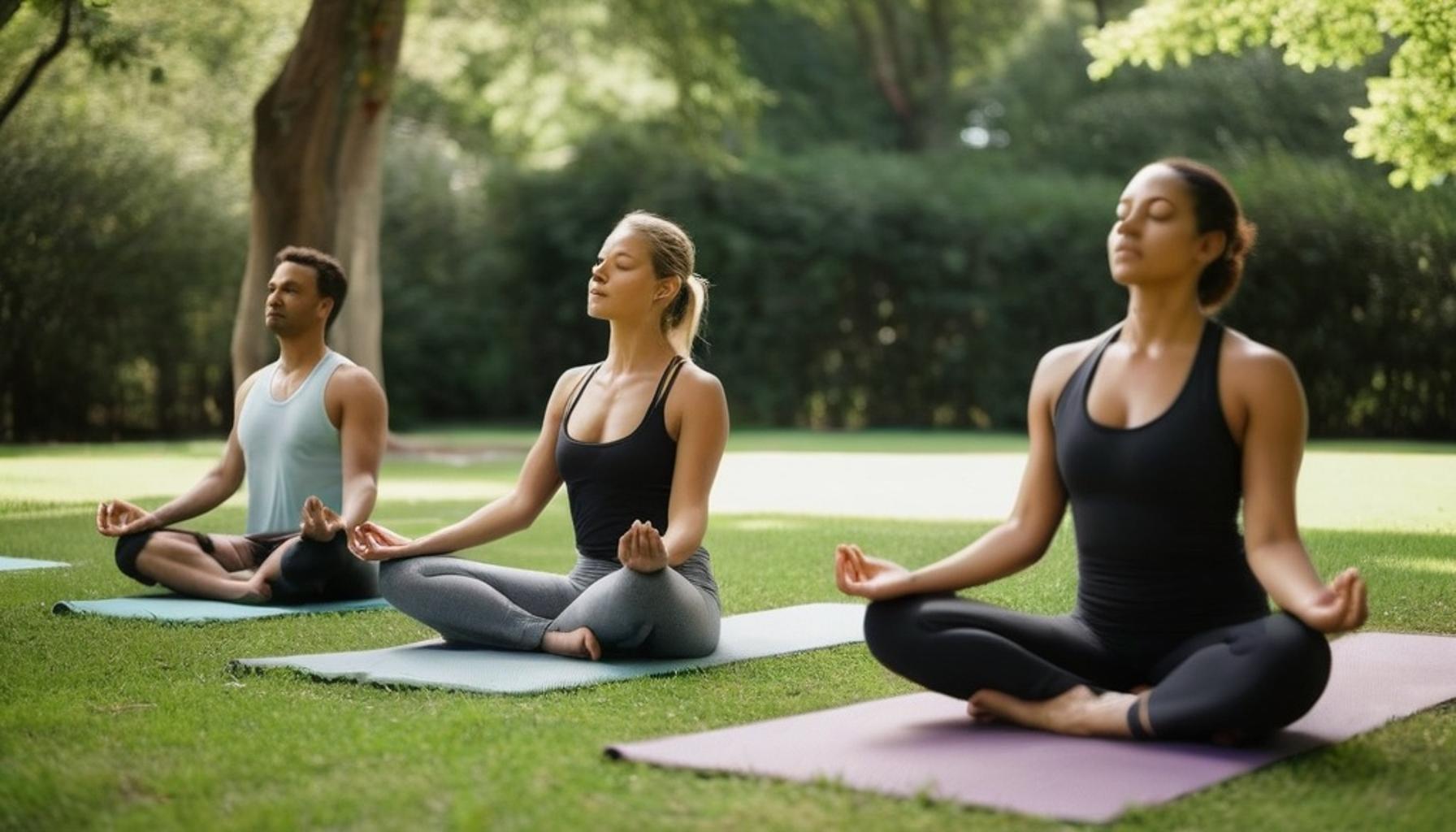
When Panic Strikes, Your Breath Becomes Your Anchor
Picture this: you’re stuck in gridlock on the 405, late for a job interview, and your heart is pounding like a drum solo. In that split second, your body is screaming “fight or flight,” but there’s a simple, science-backed tool sitting right under your nose—literally.
Breathing Techniques for Stress aren’t just wellness buzzwords tossed around in yoga studios. They’re practical, evidence-based stress management techniques used by Navy SEALs, ER doctors, and everyday Americans navigating chaotic mornings from Seattle to Miami. What once seemed like fringe advice from meditation retreats has now landed squarely in mainstream medicine, taught in hospitals, corporate wellness programs, and even professional sports locker rooms.
Why Your Breath Holds the Key
Research from Stanford University reveals that controlled breathing can lower cortisol levels within minutes. Understanding how to breathe to reduce stress isn’t complicated—it’s about activating your parasympathetic nervous system on command, essentially flipping an internal switch that tells your body it’s safe to stand down from red alert.
Consider what happens during a high-stakes moment, whether it’s a tense client call or a near-miss on the freeway:
- Your breathing becomes shallow and rapid
- Oxygen flow to your brain decreases
- Decision-making abilities weaken
- Physical tension intensifies
- Heart rate spikes, amplifying feelings of panic
This physiological cascade explains why so many people feel foggy or frozen under pressure. This is where mindful breathing exercises step in as an immediate countermeasure. They’re free, portable, and require zero equipment—no app, subscription, or quiet room necessary. You can practice them in a crowded subway car, a hospital waiting room, or even mid-sentence during a heated conversation.
What This Article Will Explore
We’re diving into specific, actionable methods you can use right now, whether you’re facing a work deadline, a family emergency, or a personal crisis that seems to arrive without warning. From breathing meditation for anxiety to techniques designed for split-second emergencies, this guide covers it all, drawing on real-world applications and peer-reviewed research alike.
You’ll discover practical relaxation strategies for stress that fit into a 60-second window—because sometimes that’s all you get before walking into that boardroom or emergency room. Along the way, we’ll examine why these techniques work on a biological level, how first responders rely on them under extreme pressure, and how you can build a personal toolkit that turns your breath into your most reliable ally.
YOU MAY ALSO LIKE: Mindfulness Techniques for Effective Stress Management in Daily Life
# The Science-Backed Method Trusted by Combat Veterans and Cardiologists Alike
Box Breathing: The Navy SEAL Secret Now Used in ERs Nationwide
Walk into any tactical training facility from Coronado to Fort Bragg, and you’ll likely witness operators practicing a deceptively simple technique before high-pressure missions. It’s called box breathing, and it has quietly become one of the most researched stress management techniques in modern performance psychology.
The method follows a four-count pattern: inhale for four seconds, hold for four seconds, exhale for four seconds, then hold again for four seconds. Repeat this cycle four times, and you’ve completed what practitioners call a “box.”
Mark Divine, a former Navy SEAL commander, has spoken publicly about using this exact technique before underwater dive missions where panic could prove fatal. If it works when lives hang in the balance, it’s worth examining why. What started as a battlefield necessity has since migrated into boardrooms in Manhattan, yoga studios in Austin, and even the sidelines of NFL practice facilities, where coaches now teach it to players managing pregame jitters.
The Physiology Behind the Practice
When researchers at Harvard Medical School studied controlled breathing patterns, they found something remarkable: the four-second hold periods force your nervous system to recalibrate. Understanding how to breathe to reduce stress through this method comes down to carbon dioxide tolerance and vagus nerve stimulation. The vagus nerve, which runs from your brainstem down through your chest and abdomen, acts like a biological brake pedal. Stimulating it through slow, deliberate breathing shifts the body out of fight-or-flight mode and into a state researchers call “rest and digest.”
Here’s what makes box breathing particularly effective in critical moments:
- The equal-count structure prevents hyperventilation, which often worsens panic
- Holding your breath briefly increases carbon dioxide levels, triggering calm rather than alarm
- The rhythmic pattern gives your mind something concrete to focus on, interrupting spiraling thoughts
- It requires no special posture or location, making it usable at a stoplight in Chicago traffic or backstage before a presentation
- Measurable heart rate variability improvements occur within just a few cycles
Emergency medicine physicians at UCLA Health have started incorporating similar mindful breathing exercises into training programs for residents facing high-stress trauma cases. The logic is straightforward: a clinician who can regulate their own nervous system makes sharper decisions when seconds matter. Cardiologists have taken particular interest, since chronic stress and elevated cortisol are directly linked to hypertension, arrhythmias, and long-term cardiovascular strain. Some hospitals now hand patients printed breathing charts alongside discharge paperwork, treating breath control as seriously as medication schedules.
Beyond the Battlefield
You don’t need to be defusing explosives or performing emergency surgery to benefit. A 2021 study published in the journal Frontiers in Psychology found that participants practicing structured breathing patterns for just five minutes showed significant reductions in self-reported anxiety and measurable drops in salivary cortisol. Follow-up research has suggested that consistent daily practice, even in short bursts, may produce cumulative benefits similar to those seen with longer meditation sessions.
This particular approach to breathing meditation for anxiety works because it’s trainable. Athletes, surgeons, and first responders don’t rely on willpower alone during crises—they rely on rehearsed patterns their bodies execute automatically, even when their minds feel scattered. Police departments in cities like Los Angeles and Houston have begun including box breathing in de-escalation training, recognizing that an officer’s own physiological state can influence the outcome of a tense encounter.
Try it during your next stressful commute or before a difficult phone call. The technique costs nothing, takes under a minute, and might just become the relaxation strategy for stress you didn’t know you needed. Given its growing footprint across military units, hospitals, and professional sports, box breathing appears less like a passing wellness trend and more like a permanent addition to how Americans manage pressure in everyday life.
SEE ALSO: Nutrition and Its Impact on Stress: Foods That Help You Relax
The Physiological Sigh and Other Rapid-Reset Techniques Gaining Traction
While box breathing dominates tactical circles, a different method has recently captured attention in scientific journals and viral social media posts alike. Stanford neuroscientist Andrew Huberman popularized what’s called the “physiological sigh,” a technique your body already performs naturally when you’re crying or waking from deep sleep. Videos explaining the method have racked up millions of views on platforms like TikTok and YouTube, turning a niche laboratory finding into something discussed at dinner tables from Seattle to Miami.
The mechanics are simple: take a normal inhale through your nose, then a second shorter inhale on top of it, followed by a long, slow exhale through your mouth. Research from Huberman’s lab at Stanford suggests this double-inhale pattern maximizes oxygen exchange while rapidly offloading carbon dioxide, producing a calming effect faster than most other breathing techniques for stress currently studied. Unlike meditation apps that require ten or twenty minutes of dedicated practice, this technique fits into the cracks of an ordinary day, whether you’re stuck in traffic on the 405 or waiting for a job interview to begin.
What makes this approach particularly useful is its speed. A single cycle can shift your physiological state in under thirty seconds, making it practical for situations where you don’t have time for a full four-count box breathing sequence. Researchers note that repeated cycles compound the effect, with three to five sighs often producing a noticeable drop in perceived tension within two minutes.
How Different Professions Are Adapting Breath Control
Commercial airline pilots undergo simulator training that includes breath regulation protocols for engine failure scenarios and severe turbulence events. Instructors at flight schools in Denver and Phoenix report that pilots who practice controlled breathing show measurably steadier hand movements on cockpit controls during simulated emergencies. Some training programs have gone as far as integrating heart rate variability monitors into cockpit simulators, giving trainees real-time feedback on how their breath directly correlates with performance under pressure.
Surgeons face similar demands. A study published in the Journal of Surgical Education found that residents who practiced structured breathing before entering the operating room reported lower perceived stress and demonstrated improved fine motor control during suturing tasks. Hospital administrators in Chicago and Boston have started incorporating brief breathing protocols into pre-operative checklists, treating breath regulation with the same seriousness as instrument counts.
Public speaking coaches across the country have also embraced these mindful breathing exercises, teaching clients in New York and San Francisco to regulate their breath before walking on stage. The logic mirrors what special forces units discovered decades earlier: a racing heart and shallow breath directly impair verbal fluency and cognitive clarity.
Consider these additional applications now being documented:
- Emergency dispatchers in Texas use brief breathing resets between high-intensity 911 calls
- Professional poker players apply breath control to avoid decision fatigue during long tournaments
- Firefighters practice breathing regulation to manage adrenaline spikes before entering structures
- Nurses in intensive care units use micro-breathing breaks during twelve-hour shifts to sustain focus
- College athletes at programs across the Big Ten now incorporate breath drills into pre-game routines
What the Data Actually Shows
A 2023 meta-analysis reviewing over twenty clinical trials found that slow-paced breathing interventions consistently lowered systolic blood pressure and reduced self-reported anxiety scores across diverse populations, from combat veterans to office workers experiencing burnout. Some trials tracked participants for as little as five minutes a day over four weeks, yet still recorded measurable physiological shifts.
Perhaps most compelling is research on breathing meditation for anxiety conducted at the University of Southern California, which tracked participants over eight weeks. Those practicing daily breath control showed structural changes in amygdala activity, the brain region responsible for processing fear and threat responses. Functional MRI scans revealed reduced reactivity to stress-inducing images, hinting that the brain itself becomes less prone to panic responses over time.
These findings suggest something significant: this isn’t simply a temporary coping mechanism but a trainable skill with lasting neurological impact. As more relaxation strategies for stress undergo rigorous scientific testing, breath control keeps emerging as one of the few interventions that’s simultaneously free, portable, and backed by measurable physiological evidence.
Breathing Techniques for Stress: The Takeaway From Cockpit to Kitchen Table
From Navy SEAL training compounds to hospital corridors in Boston, the evidence keeps pointing to the same conclusion: breath is not just a passive biological function but a lever you can pull deliberately when pressure spikes. Breathing Techniques for Stress have moved from fringe wellness advice to something backed by fMRI scans, blood pressure readings, and cockpit performance data.
What’s striking is the range of people relying on these tools. Airline pilots, ICU nurses, poker players, and college quarterbacks are all using variations of the same core principle, proving that stress management techniques rooted in breath control aren’t confined to any single profession or personality type.
Learning how to breathe to reduce stress doesn’t require expensive equipment or hours of free time. Box breathing takes four counts. A physiological sigh takes thirty seconds. Both fit into a lunch break in Chicago or a red-eye layover in Denver.
Still, the science suggests something bigger than quick fixes. Repeated practice appears to physically reshape how the amygdala responds to threat, meaning consistent mindful breathing exercises may lower baseline anxiety over months, not just in the moment of crisis.
For readers curious where to start, consider these entry points:
- Try the physiological sigh during your next stressful commute or meeting
- Practice box breathing for five minutes before high-stakes conversations
- Track your resting heart rate to notice long-term changes
- Explore guided breathing meditation for anxiety apps as a starting structure
Ultimately, these relaxation strategies for stress offer something rare in modern wellness culture: a free, portable, science-backed tool that works whether you’re facing a surgical suite, a job interview, or gridlock traffic. The real question isn’t whether breath control works, but how soon you’ll start testing it yourself.

Linda Carter
Linda Carter is a writer specializing in healthy habits and balanced living. With extensive experience helping readers build sustainable routines, she shares practical guidance on nutrition, physical activity, quality sleep, stress management, and emotional well-being. Her goal is to offer simple, accessible strategies that inspire people to care for their health and enjoy a more balanced life.