Physical activities with family: strengthening bonds and promoting health

Why Moving Together as a Family Matters
A Saturday morning bike ride. A backyard game of tag. A weekend hike through a local trail.
These simple moments do more than fill free time. They build family physical activities into everyday life, creating a foundation for both connection and wellness.
The Numbers Behind the Movement
According to the CDC, only about 24% of American adults meet the recommended weekly exercise guidelines. Children aren’t faring much better, with screen time often outpacing active play. Pediatric health experts note that the average American child spends more than seven hours a day in front of a screen, a figure that continues to climb each year.
Families who exercise together, however, tend to break this pattern. Shared movement creates accountability, motivation, and lasting habits. When parents lace up their sneakers alongside their kids, exercise stops feeling like a chore and starts feeling like quality time. This shift in perspective is often the key difference between a workout routine that fizzles out and one that becomes a cherished family tradition.
More Than Just Exercise
The benefits go far beyond calories burned. Bonding through physical activities strengthens communication, builds trust, and creates memories that last well into adulthood. Think about the classic family camping trip or the annual Fourth of July softball game at the park; these are the moments that get retold at holiday dinners for decades.
Consider what a regular family fitness routine can offer:
- Improved cardiovascular health for both kids and adults
- Reduced stress and anxiety through shared outdoor time
- Stronger emotional bonds built on teamwork and fun
- Better sleep patterns from consistent physical exertion
- Positive role modeling that encourages lifelong healthy habits
Researchers have also found that children who regularly engage in physical activity with their parents are more likely to carry those habits into their teenage and adult years, breaking cycles of inactivity that often span generations.
Finding What Works for Your Family
Not every household needs a gym membership or expensive equipment. Outdoor activities for families like nature walks, frisbee at the park, or swimming at a community pool cost little and deliver big results. Many towns across the United States offer free access to hiking trails, public basketball courts, and recreational centers that make active living accessible to nearly everyone.
This article explores practical, fun family exercises that fit real schedules and budgets. Whether you’re a weekend warrior or just starting out, there’s a path toward a more active, connected household waiting to be discovered.
RECOMMENDED: The importance of regular physical activity for mental and emotional health
# Building a Weekly Routine That Actually SticksStarting a new family habit sounds easy until Tuesday rolls around and everyone’s exhausted from work, school, and homework. This is where most well-intentioned plans for family physical activities quietly fall apart.The solution isn’t more willpower. It’s smarter structure.
Start Small, Think Sustainable
Fitness experts across the country consistently point to one truth: consistency beats intensity. A 20-minute walk around the neighborhood five days a week does more for long-term health than one exhausting Saturday hike that leaves everyone sore and reluctant to repeat it.
Families who succeed at staying active together often follow a simple framework. They pick activities that require minimal setup, fit into existing routines, and can flex around bad weather or busy weeks.
Some proven family fitness ideas that require little to no equipment include:
- Evening walks after dinner, rain or shine, weather permitting
- A weekend rotation between biking, hiking, and swimming
- Ten-minute dance parties in the living room before bedtime
- Backyard obstacle courses built from household items
- Neighborhood scavenger hunts that combine walking with problem-solving
Notice a pattern? None of these require a fitness studio membership or specialized gear. They rely on consistency, not complexity.
The Science of Shared Sweat
There’s a physiological reason these shared moments matter so much. Physical activity triggers the release of endorphins and oxytocin, chemicals linked to happiness and social bonding. When families move together, they’re not just building muscle; they’re chemically reinforcing trust and connection.
A study published by the American Academy of Pediatrics found that children who participated in regular physical activity with a parent showed measurably lower rates of anxiety and higher self-reported life satisfaction. The health benefits of family sports extend well beyond the physical, touching emotional and psychological well-being in ways many households don’t fully realize until they experience it firsthand.
Making Room in a Packed Schedule
American families are busy. Between school sports, work commitments, and the general chaos of daily life, carving out time for shared movement can feel impossible. Yet families who prioritize even brief bursts of activity report feeling more connected and less stressed overall.
The trick often lies in reframing exercise as family time rather than a separate obligation. A grocery run on foot instead of by car. A post-dinner walk instead of screen time. These small shifts add up, transforming ordinary days into opportunities for both movement and connection.
Key Aspects of Family Physical Activities and Their Benefits
Understanding how family physical activities impact both relationships and health helps families choose the right approach for their lifestyle. Below is a snapshot of popular fun family exercises and the specific advantages they offer, from cardiovascular improvements to stronger emotional connections.
| Activity Category | Main Benefit |
|---|---|
| Hiking & Trail Walks | Boosts cardiovascular health while exposing kids to nature |
| Cycling as a Group | Improves coordination and builds bonding through physical activities |
| Backyard Sports | Encourages teamwork and daily movement habits |
| Swimming Together | Low-impact option delivering major health benefits of family sports |
| Weekend Outdoor Trips | Top choice among outdoor activities for families seeking adventure |
These family fitness ideas prove that staying active together does more than burn calories, it creates shared memories that strengthen trust and communication across generations.
RECOMMENDED: The benefits of outdoor physical activity for overall well-being
# Choosing Activities That Fit Every Age and AbilityOne of the biggest hurdles families face is finding activities that work for a seven-year-old and a grandparent at the same time. The good news is that outdoor activities for families don’t need to be one-size-fits-all to be effective.The key is flexibility built into the activity itself. When movement can scale up or down depending on who’s participating, the whole dynamic of family time shifts from obligation to genuine enjoyment.
Multi-Generational Movement
Consider a family bike ride. A parent can push hard on hills while a grandparent coasts on flat stretches, and kids on training wheels can pedal at their own pace. Everyone’s moving, everyone’s outdoors, and nobody feels left behind.
Community parks across the United States have caught onto this trend. Cities like Denver, Austin, and Minneapolis have expanded trail systems specifically designed with multiple loop options, allowing families to customize distance and difficulty without splitting up. Urban planners in these cities have started consulting with public health officials to design green spaces that serve toddlers and retirees under the same tree canopy.
Some fun family exercises that naturally accommodate different fitness levels include:
- Kayaking or canoeing, where paddling effort can be adjusted individually
- Nature walks with designated turnaround points for younger or older members
- Backyard badminton or cornhole, which mix light activity with strategy
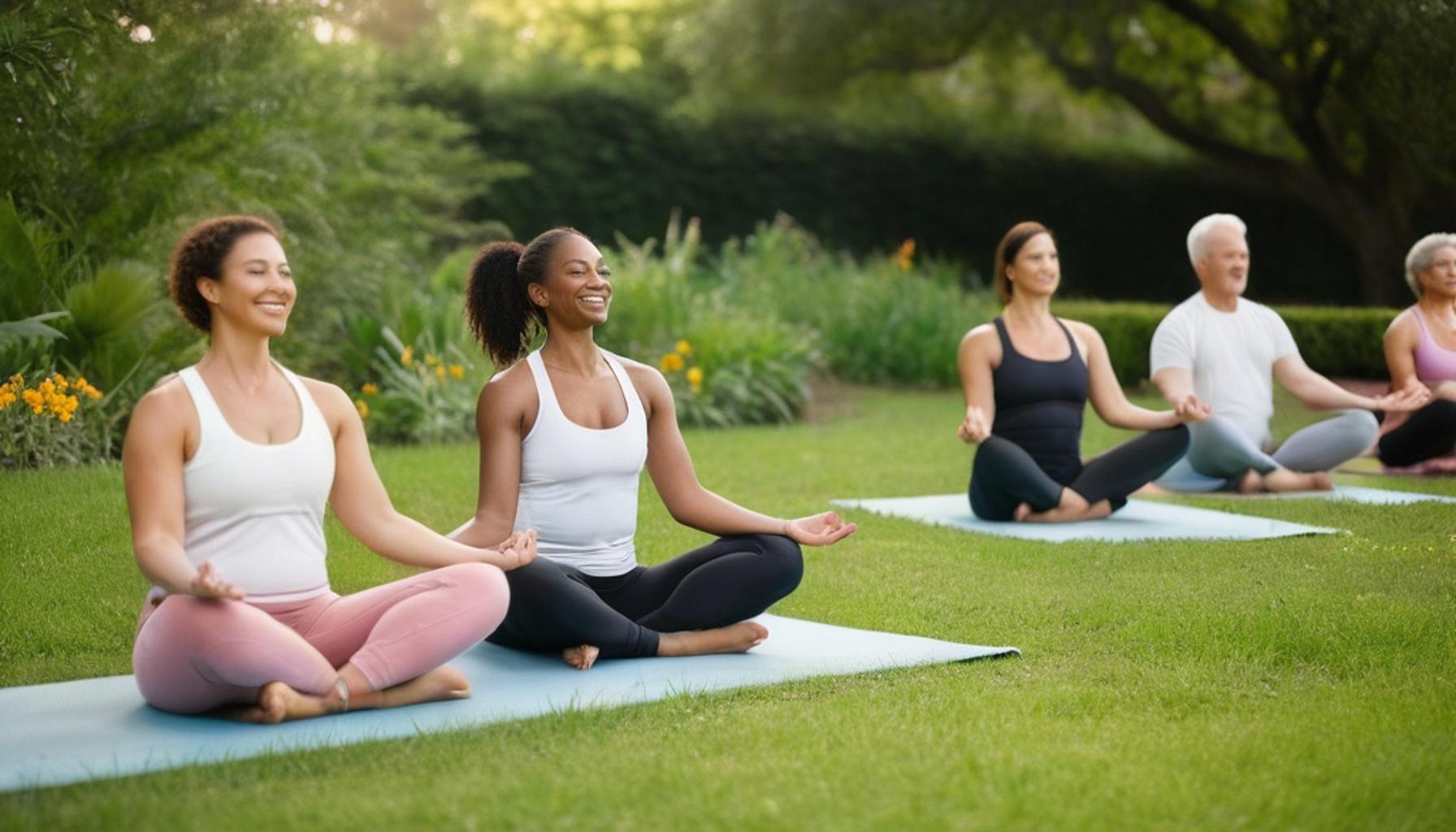
- Family yoga sessions, easily modified for flexibility and strength differences
- Swimming at a local community pool, ideal for joint-friendly, low-impact movement
What ties these activities together isn’t intensity, but adaptability. A grandparent doing gentle stretches beside a teenager holding a deeper pose still counts as shared movement, and that shared element seems to matter more than matching effort levels.
What the Data Reveals About Frequency
According to the Centers for Disease Control and Prevention, only about 24% of American adults meet the recommended weekly guidelines for physical activity. Involving family members appears to change that math significantly.
Research from the National Recreation and Park Association found that adults who exercised alongside family members were nearly twice as likely to sustain a fitness habit beyond three months compared to those who exercised alone. That statistic alone reframes family physical activities as a legitimate strategy for long-term adherence, not just a feel-good bonus.
Some researchers point to accountability as the driving factor, while others suggest the emotional reward of shared experience simply outweighs the discomfort of exertion. Either explanation leads to the same practical takeaway: activities done together tend to stick around longer than solo routines.
Turning Screen Time Into Team Time
Video games get blamed for sedentary childhoods, but active gaming systems and app-based fitness challenges are quietly reversing that narrative in some households. Motion-based games, family step-count competitions, and GPS-tracked walking challenges give tech-savvy kids a reason to move that feels familiar rather than forced.
This blending of technology and movement has become another entry point for bonding through physical activities, especially for families with teenagers who might otherwise resist a traditional hike or team sport. It’s not about replacing outdoor time, but meeting families where they already are.
Whether the activity happens on a trail, a driveway, or through a screen tracking real steps, the underlying pattern remains consistent across cities and generations alike: flexibility keeps families moving together longer than any single perfect activity ever could.
Bringing It All Together: Why Family Movement Matters More Than Ever
The evidence points in one clear direction. Family physical activities aren’t just a pleasant way to pass a Saturday afternoon. They’re a measurable strategy for building healthier habits that last, backed by real numbers from organizations like the CDC and the National Recreation and Park Association.
What stands out across every example, from bike rides in Denver to motion-based games in a living room, is that consistency beats intensity. Families don’t need elite athletic performance to see benefits. They need movement that fits their specific mix of ages, abilities, and schedules.
The health benefits of family sports extend beyond calories burned or steps logged. Shared movement builds trust, teaches kids how to handle both winning and losing, and gives adults a reason to step away from screens and stress. These outcomes rarely show up in a fitness tracker, but they shape how families relate to one another over years, not just single workouts.
For households unsure where to start, the path forward doesn’t require a dramatic overhaul. A weekend walk, a backyard game of cornhole, or a step-count challenge tracked on a phone can open the door. From there, family fitness ideas tend to multiply naturally as everyone discovers what feels enjoyable rather than obligatory.
Perhaps the most compelling takeaway is this: the specific activity matters far less than the decision to show up together, repeatedly, in whatever form that takes. That single habit, sustained over months and years, may do more for a family’s long-term wellbeing than any single trip to the gym ever could.
Frequently Asked Questions
What are the best family physical activities for households with kids of different ages?
Activities like biking, hiking, swimming, and backyard obstacle courses work well because they can be adjusted in intensity and speed for different age groups. Games such as tag, scavenger hunts, or family dance sessions also let younger and older kids participate together at their own pace. The key is choosing activities with flexible rules so everyone stays engaged and safe.
How often should families exercise together to see real health and bonding benefits?
Aiming for at least 3 to 4 sessions per week, totaling around 150 minutes, aligns with general physical activity guidelines for both kids and adults. Even short 20-30 minute sessions, like an evening walk or a quick game of catch, can add up and reinforce routine. Consistency matters more than duration, so regular shorter sessions often work better than occasional long ones.
What family physical activities work best for small backyards or apartments with no yard?
Indoor options like yoga sessions, dance-based workout videos, or simple circuit exercises using household items can fit small spaces. For apartment dwellers, stair climbing, jump rope, or balance games are effective alternatives. Local parks, community centers, or school playgrounds also offer free space for activities like frisbee or soccer when home space is limited.
How can busy parents fit family physical activities into a packed weekly schedule?
Combining errands with movement, such as walking or biking to nearby stores, helps integrate activity without adding extra time commitments. Weekend mornings or right after dinner are often easier windows for a 20-30 minute family walk or game. Scheduling activity like any other appointment, even just twice a week, makes it more likely to stick long-term.
Are there specific family activities that help improve communication between parents and teenagers?
Activities that involve side-by-side effort rather than direct conversation, like hiking, cycling, or rock climbing, often make teens more comfortable opening up. Team sports such as basketball or volleyball also build trust through shared goals and cooperation. The relaxed, less confrontational setting of physical activity tends to lower defenses compared to sit-down talks.

Linda Carter
Linda Carter is a writer specializing in healthy habits and balanced living. With extensive experience helping readers build sustainable routines, she shares practical guidance on nutrition, physical activity, quality sleep, stress management, and emotional well-being. Her goal is to offer simple, accessible strategies that inspire people to care for their health and enjoy a more balanced life.