How Board Games Foster Collaboration and Creative Problem Solving

Exploring the Impact of Board Games on Personal Development
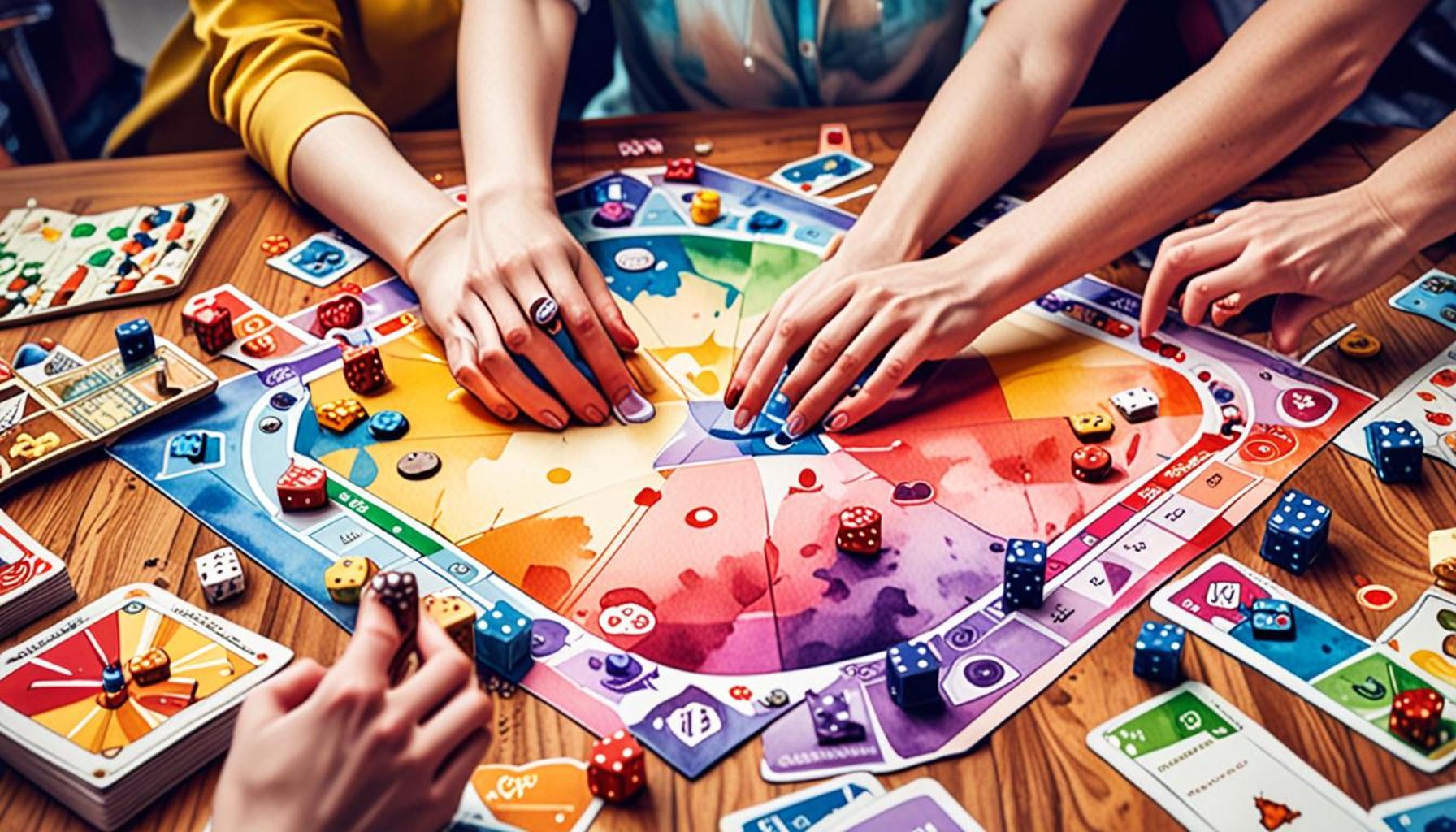
In a world increasingly consumed by digital media, the resurgence of board games is not merely a nostalgic return, but a significant revival with multifaceted benefits. These tactile and interactive experiences invite players to disconnect from screens and engage in meaningful ways. Board games create a bridge that helps forge and strengthen connections, allowing individuals to interact face-to-face and develop interpersonal skills that are vital in both personal and professional realms.
At the core of the appeal of board games is their ability to cultivate social skills. Players are prompted to communicate with one another, work collaboratively towards shared goals, and even compete healthily. For example, games like *Catan* require players to barter resources such as wood and wheat, encouraging negotiation and collaboration. As participants discuss strategies, they refine their communication abilities and learn to listen actively—an essential skill in the workplace where effective teamwork is paramount.
Moreover, the element of strategic thinking in board games cannot be understated. Gamers are consistently faced with challenges that require thoughtful consideration of not only their own decisions but also their opponents’ potential moves. In games such as *Chess* or *Ticket to Ride*, players must anticipate strategies and make choices that can significantly impact the outcome. This process of analyzing, planning, and executing is akin to project management tasks in business settings, where foresight and tactical planning are crucial.
Additionally, board games frequently present scenarios that lead to conflict resolution. Disputes over rules or strategies can arise, forcing players to engage in dialogue and find compromises. This experience mirrors workplace dynamics, where collaboration is frequently tested through differing opinions and objectives. Barriers may crumble, as players negotiate and work towards resolutions that benefit the group, providing a robust framework for understanding conflict management skills.
Consider board games such as *Pandemic*, a cooperative game where players unite against a common enemy—global disease outbreaks. This cultivated sense of teamwork allows players to experience the power of unity, as they make joint decisions and devise plans to thwart crises. Such gameplay not only enhances critical thinking but also fosters a collaborative spirit that reflects real-world teamwork challenges.

The thriving landscape of board games today showcases their versatility and relevance, ranging from traditional favorites like *Monopoly* to modern innovations that encourage creativity and engagement. With a rich history dating back to ancient civilizations, board games continue to evolve, reflecting contemporary themes and the importance of community. By understanding and participating in these interactive activities, individuals can harness the profound impact of board games for personal growth and professional development, laying the groundwork for success in today’s interconnected environments.
LEARN MORE: Click here to discover the effects on cognitive growth
The Mechanics of Teamwork in Board Gaming
Board games offer a rich tapestry of interaction that serves as a fertile ground for collaboration and creative problem solving. The structure and objectives of these games compel players to engage with one another, fostering an environment where teamwork becomes not only beneficial but crucial to success. Through shared experiences, individuals learn to mesh their unique perspectives, honing their abilities to adapt and innovate as a group.
One of the most prominent ways board games encourage collaboration is through cooperative gameplay. Games such as *Forbidden Island* and *Hanabi* require players to work side by side to achieve a collective goal, whether that is to escape from a sinking island or to create a stunning fireworks display. In these instances, communication is key. Players must articulate their strategies, share insights, and actively listen to one another to devise the best possible approach. This aspect of board gaming not only enhances social bonds but also creates a platform for discussing ideas openly—a critical skill in any team environment.
Building Creative Problem Solving Skills
The act of working together on a common cause stimulates critical thinking and encourages players to brainstorm multiple solutions to challenges they face during the game. Here’s how board games fortify these essential skills:
- Complex Scenarios: Many board games present intricate puzzles or situations that require players to think outside the box. Games like *Robinson Crusoe: Adventures on the Cursed Island* offer players scenarios that require resource management, survival strategies, and role assignment—all of which push players to creatively examine their resources and skills.
- Trial and Error: Board games encourage players to experiment with different tactics, allowing them to fail in a low-stakes environment. For instance, in games like *Gloomhaven*, players must often revise their strategies based on previous outcomes, honing their ability to adapt and pivot in the face of challenges.
- Resource Allocation: Many games necessitate careful management of resources, challenging players to allocate effectively to maximize chances of success. In *7 Wonders*, players must balance their resources to build a thriving civilization while competing against others, refining their problem-solving strategies along the way.
This environment fosters a spirit of experimentation, encouraging gamers to embrace failure as a stepping stone towards success. Moreover, the shared experience of strategizing and troubleshooting promotes a sense of camaraderie, as players cheer on each other’s successes and learn from setbacks together. This aspect of board gaming helps cultivate resilience—an invaluable trait that translates well into collaborative workplace settings.
At its core, the very nature of board games compels players to engage deeply with one another, building interpersonal skills honed through collaboration and problem solving. As the world becomes increasingly interconnected, these skills remain ever pertinent, enhancing not just personal enjoyment but overall professional aptitude.
How Board Games Foster Collaboration and Creative Problem Solving
Board games are more than just a source of entertainment; they serve as vital tools for developing collaboration and enhancing creative problem-solving skills. By engaging in these games, players navigate challenges that require teamwork, communication, and innovative thinking, making them excellent platforms for learning and growth.
When players come together around a game board, they are often faced with complex scenarios that demand a collective approach to overcome obstacles. The cooperative nature of many board games encourages participants to share ideas, negotiate strategies, and build rapport. For instance, games like Pandemic empower players to work together towards a common goal, fostering a sense of community and highlighting the importance of collaboration.
Moreover, the diversity of problems presented in board games stimulates players’ creative thinking. Board games often feature unique mechanics and varying contexts that require players to think outside the box. This not only enhances their ability to devise solutions in-game but also applies to real-life challenges. Through the lens of a game, participants are encouraged to embrace risk-taking and explore unconventional strategies, skills that are invaluable in problem-solving scenarios.
As players engage more deeply in these interactive experiences, they develop a stronger ability to analyze situations critically and form strategic plans. Each session brings a different set of challenges, providing an ever-evolving environment that sharpens players’ skills over time. Consequently, board games become an effective method for cultivating collaboration and creative problem-solving skills that extend beyond the gaming table.
| Collaboration Techniques | Problem-Solving Skills |
|---|---|
| Team Communication | Analyzing Complex Situations |
| Role Assignment | Strategic Planning |
Exploring the intricacies of how board games contribute to teamwork and creative thinking unveils a fascinating dimension to leisure activity. Whether in a casual setting or a professional environment, the lessons learned through these games resonate through various aspects of life, encouraging continuous improvement and collaboration.
DISCOVER MORE: Click here to enhance your Sudoku skills
The Role of Strategy and Decision-Making
In addition to collaborative mechanics, board games also serve as an engaging platform for improving strategic thinking and decision-making skills. Whether grappling with competing objectives or accommodating changing variables, players learn to navigate complex decisions that require collective deliberation. This process not only amplifies cognitive engagement but also heightens the potential for creative problem-solving as players weigh their options thoughtfully.
Strategic Depth and Its Implications
Many board games necessitate long-term planning and adaptability, requiring participants to make calculated decisions that can lead to varied outcomes. Games like *Catan* place players in a dynamic environment where trading, resource management, and positioning are critical. Here, successful players balance immediate gains with future implications, sharpening their capacity for foresight.
Furthermore, games such as *Twilight Struggle* engage players in historical strategy. The game simulates the geopolitical tensions of the Cold War, allowing players to explore the complexities of diplomacy, espionage, and strategy. This type of gameplay not only cultivates an understanding of nuanced interactions but also encourages players to think critically about their opponents’ potential moves, stimulating adaptive strategies that mirror real-world decision-making processes.
Enhancing Communication Skills Through Negotiation
A significant aspect of board gaming involves negotiation, a powerful tool for fostering collaboration. Players often find themselves in situations where they must bargain, persuade, or form alliances to achieve their objectives. Games like *Diplomacy* epitomize this quality, as players engage in delicate negotiations and strategic deals to outmaneuver their opponents.
- Active Listening: Negotiation requires players to not only articulate their needs but also actively listen to others’ concerns and positions. This exchange cultivates stronger communication skills and enhances the ability to participate in constructive dialogue.
- Conflict Resolution: Through dealing with disputes and differing opinions within the game, players become adept at resolving conflicts amicably. This experience translates into the workplace, where collaboration is often challenged by varying viewpoints.
- Building Consensus: Successful negotiation often hinges on finding common ground—an experience that is particularly beneficial in group projects or team challenges. Players learn to appreciate diverse insights, which enriches group dynamics and encourages innovative solutions.
The negotiation aspect of board games enriches the overall collaborative experience, teaching players to appreciate compromise and mutual benefit. The art of negotiation not only enhances the enjoyment of gameplay but also provides valuable practice for real-world situations involving teamwork and project collaboration.
Data-Driven Decisions in Modern Gameplay
Additionally, the incorporation of analytics and data-driven strategies in many contemporary board games introduces a modern twist to the collaborative experience. Games like *Pandemic Legacy* offer scenarios that evolve based on player decisions, requiring data analysis and strategic adjustments along the way. This element encourages players to base their choices on evidence and trends rather than mere intuition, promoting a more analytical approach to problem-solving.
Combined, these elements demonstrate the multi-faceted approach of board games as an avenue for fostering collaboration and creative problem-solving skills. Players are challenged not only to work together effectively but also to refine their abilities to strategize, communicate, and negotiate—skills that are essential in today’s collaborative environments.
DIVE DEEPER: Click here to discover more about memory-boosting games
Conclusion: Uniting Forces at the Game Table
In an increasingly interconnected world, the ability to collaborate and engage in creative problem-solving has never been more critical. Board games provide a unique avenue for players to practice these essential skills in a fun and engaging environment. By fostering teamwork through collaborative mechanics and offering the opportunity to devise strategic approaches, games like *Catan* and *Pandemic Legacy* not only entertain but also enhance interpersonal dynamics.
Moreover, the negotiation aspects present in games such as *Diplomacy* highlight the importance of communication and conflict resolution. Players learn to appreciate diverse perspectives, ultimately leading to enriched group interactions that can easily translate into professional settings. Additionally, the modern integration of data-driven decision-making encourages a more analytical mindset, teaching players to assess situations based on evidence rather than instinct.
As we reflect on the multifaceted benefits of board gaming, it becomes evident that these gatherings around the game table serve a dual purpose: they entertain and educate. By honing collaboration and problem-solving abilities within a playful context, board games create a powerful space for growth—both personally and communally. As we seek innovative solutions to today’s complex challenges, embracing the lessons from board games can inspire not just players but entire teams and organizations to work harmoniously towards a common goal.