How Crossword Puzzles Stimulate Critical Thinking and Analysis in Adults
Unpacking the Benefits of Crossword Puzzles
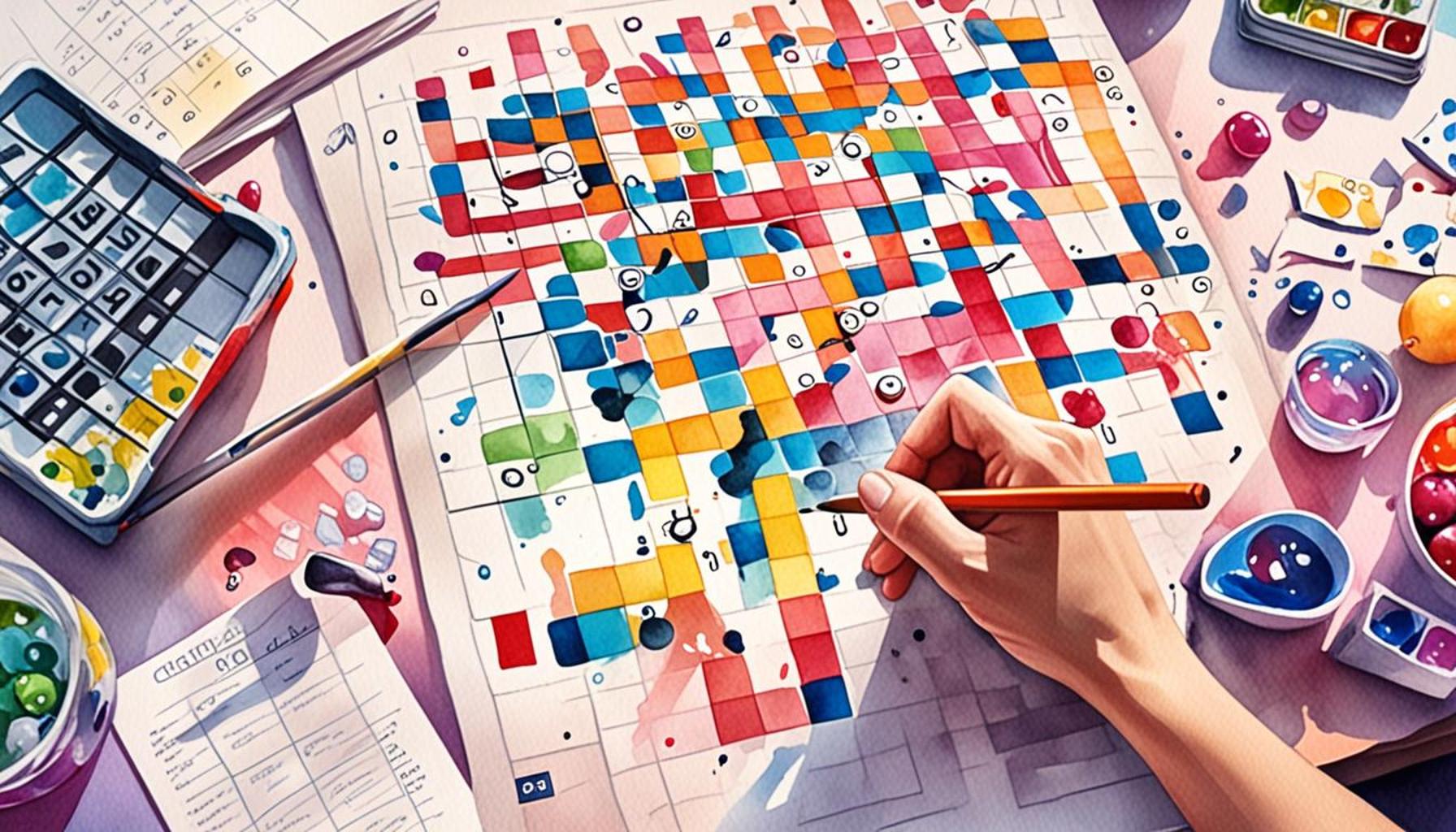
Crossword puzzles have carved out a unique niche in the realm of leisure activities, offering participants not just entertainment but also a significant cognitive workout. These puzzles, often nestled in the pages of newspapers or available on various digital platforms, require a multifaceted approach to problem-solving, appealing to those who enjoy a challenge. As more adults seek pastimes that are both enjoyable and beneficial to their mental faculties, crossword puzzles have proven to be an engaging and rewarding pursuit.
Improved Vocabulary
One of the standout benefits of regularly engaging with crossword puzzles is the enhanced vocabulary that players can achieve. Each puzzle introduces new words and phrases, pushing participants to think beyond their usual lexicon. For example, encountering the word “onomatopoeia” in a crossword might inspire someone to explore its meaning and usage, thereby broadening their understanding of language. This continuous exposure not only helps players remember new vocabulary but also helps in its effective application in everyday communication.
Enhanced Problem-Solving Skills
The challenge of deciphering clues and fitting words into a grid promotes critical thinking and problem-solving skills. Players must analyze the clues, which can range from straightforward definitions to clever puns, and correlate them with intersecting words. This cognitive engagement develops a mindset that embraces analytical thinking and innovative problem-solving. Studies have shown that the act of solving crosswords stimulates various parts of the brain, reinforcing pathways associated with creative thought and logical reasoning.
Memory Boost
Regular participation in crossword puzzles can also lead to a significant memory boost. The retrieval of words and clues encourages the practice of memory techniques, which helps enhance recall capabilities over time. A person who routinely solves puzzles might find themselves recalling details from previous clues, thus reinforcing both short-term and long-term memory. In fact, some research suggests that activities like crossword puzzles can delay cognitive decline as we age by keeping the brain actively engaged and resilient.
The Popularity of Crosswords in Daily Life
In the United States, crossword puzzles have become a staple of daily routines. Many individuals dedicate portions of their morning to solving a puzzle alongside their coffee or engage in a friendly competition with family members. Commuters might turn to mobile apps during their travels, transforming mundane journeys into opportunities for mental engagement. This phenomenon is more than a quirky pastime; it reflects a growing awareness of the importance of cognitive health and the desire to maintain mental sharpness as one ages.
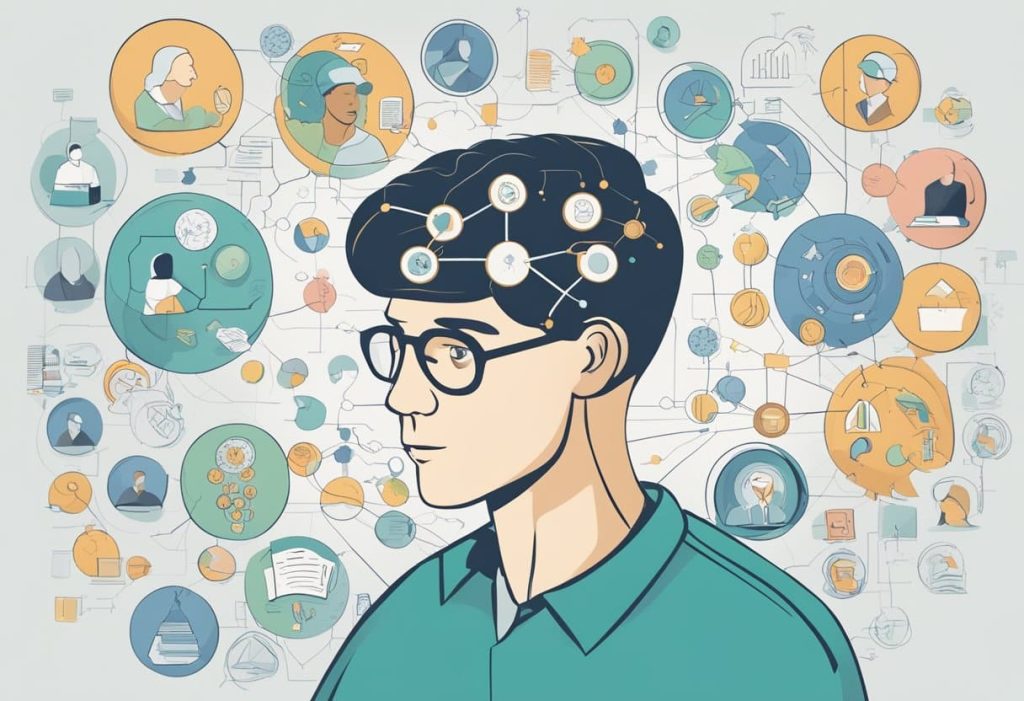
As these puzzles gain traction, they serve as a reminder that mental exercise can be both enjoyable and beneficial. Embracing crossword puzzles not only provides entertainment but also fosters a culture of lifelong learning. Encouraging more adults to adopt this activity could invigorate their critical thinking and analysis skills while presenting a fun challenge to conquer.
DIVE DEEPER: Click here to discover the evolution of brain teasers
Crossword Puzzles as Mental Gymnastics
Engaging with crossword puzzles not only stimulates the mind but also serves as a form of mental gymnastics that sharpens critical thinking and analytical skills. The intricate blend of vocabulary, logic, and lateral thinking required to complete each puzzle invites players to explore connections between words and concepts. This unique format encourages a rigorous thought process that challenges the way individuals perceive problems, empowering them to look for solutions from multiple angles.
The Art of Clue Decoding
At the heart of every crossword puzzle lies the art of clue decoding, where players are tasked with interpreting often cryptic hints. For example, a clue like “Bark from a tree (4 letters)” may lead to the answer “Pine.” This simple yet sophisticated exercise requires solvers to synthesize information, recognizing not only the direct meaning but also potential wordplay involved. Such decoding techniques nurture various skills, including:
- Cognitive Flexibility: The ability to adapt your thinking to new and unexpected information.
- Logical Reasoning: Deductive reasoning becomes essential as players sort through possibilities while seeking to fill in the grid.
- Pattern Recognition: Solvers learn to identify patterns in both clues and answers, connecting them in logical ways.
As players encounter different types of clues, whether they are straightforward definitions, synonyms, or playful puns, they can develop a methodical approach to problem-solving that extends beyond the puzzle itself. This deliberate practice fosters a mindset that celebrates inquiry and curiosity, both hallmarks of effective critical thinkers.
Debugging Mental Models
Additionally, the process of filling out a crossword grid often leads players to reevaluate their existing knowledge or assumptions. When a chosen word doesn’t fit, it compels adults to rethink their choices and reconsider the possibilities. This “debugging” of mental models is an invaluable skill in everyday life, as it teaches patience and persistence in the face of challenges. Engaging regularly with crossword puzzles helps cultivate a resilient mindset that thrives on exploration and refinement.
Further, research indicates that such regular cognitive challenges can significantly reduce mental stagnation, encouraging adults to expand their horizons. With the daily routine of unlocking new words and solving cryptic clues, participants experience a sense of accomplishment that enhances both confidence and competence in their cognitive abilities.
In an era where adults often juggle several responsibilities, the simplicity of a crossword puzzle offers a gateway to sustained cognitive engagement. Participants not only seek to complete a puzzle but also inadvertently invest in their mental health and agility, making every solved clue a stepping stone to greater analytical prowess.
Crossword puzzles are not just a source of entertainment; they serve as a powerful tool for enhancing cognitive abilities, particularly in adults. Engaging with these word games stimulates the brain, encouraging improved critical thinking and analytical skills. Through problem-solving and pattern recognition, individuals often find themselves thinking creatively as they navigate through clues and words.As adults work through crosswords, they encounter various themes and topics, which challenges their knowledge base and expands it. This continual learning process fosters a routine of engaging with new vocabulary and concepts, ultimately enhancing one’s mental agility. The intricate design of crosswords requires players to analyze clues critically, weighing different words against their meanings and contextual uses, thereby boosting their logical reasoning capabilities.Moreover, collaboration can also be a component of crossword solving. Whether with friends or family, discussing potential answers encourages communication and the sharing of ideas, promoting a collective analytical process. This social interaction can deepen understanding and foster new insights, while simultaneously reinforcing relationships. Additionally, research indicates that regular engagement with puzzles like crosswords can help stave off cognitive decline. By continually challenging the mind, adults can maintain sharper mental faculties well into their later years. The benefits of crossword puzzles extend beyond mere amusement; they are a gateway to enhanced cognitive health and critical thinking proficiency.To further illustrate the advantages of crossword puzzles in stimulating critical thinking, refer to the table below:
| Category | Advantages |
|---|---|
| Cognitive Exercise | Enhances memory retention and recall. |
| Problem-Solving Skills | Encourages logical reasoning and analysis. |
| Vocabulary Expansion | Introduces new words and phrases, enhancing communication. |
| Social Interaction | Promotes teamwork, collaboration, and discussion. |
| Mental Agility | Helps in maintaining cognitive health over time. |
This combination of cognitive engagement and social interaction not only enriches the experience but is indicative of the enriching qualities crossword puzzles naturally possess. As adults seek ways to stimulate their minds and enjoy quality time with others, crossword puzzles prove to be a timeless and beneficial activity.
DIVE DEEPER: Click here to discover more
Navigating Complex Themes
In addition to boosting critical thinking and analytical skills, crossword puzzles also invite adults to navigate a diverse array of themes and subject matter. Each puzzle serves as a microcosm of knowledge, encompassing various categories such as history, culture, science, and language. This exposure encourages players to broaden their horizons, boosting intellectual curiosity and fostering a lifelong love of learning.
Interdisciplinary Knowledge Acquisition
Crossword solvers frequently encounter clues related to myriad topics, pushing them to draw connections across seemingly disparate fields. For instance, a clue referencing a historical figure may lead to insights about their impact on art or science, demonstrating the interconnectedness of disciplines. This kind of interdisciplinary knowledge acquisition enriches the cognitive landscape and promotes intellectual versatility. Adults who engage with crossword puzzles are not just solving a game; they are actively expanding their understanding of the world around them.
Furthermore, research from the field of cognitive science highlights that engaging with a variety of subjects can enhance cognitive retention and application. When players learn a new word or concept through a crossword puzzle, they are more likely to remember and apply that knowledge in real-world scenarios. This reinforces the idea that crossword puzzles act as gateways to a richer cognitive toolkit, equipping adults with the resources to tackle complex problems both inside and outside of the puzzle grid.
Collaborative Problem Solving
Another intriguing facet of crossword puzzles is their potential for collaborative problem-solving. Many puzzle enthusiasts participate in groups or teams, which further enhances the critical thinking experience. This collaborative approach fosters discussion and debate, as individuals bounce ideas off one another, refine their reasoning, and come to a consensus regarding clues and answers. Such interaction promotes teamwork and communication skills, vital attributes in both personal and professional realms.
Moreover, collaborative problem-solving through crosswords can lead to exposure to diverse perspectives and interpretations. Team members may approach clues from various angles, leading to richer discussions that deepen understanding while honing analytical skills. The variety of viewpoints can push individuals to reconsider their own beliefs and biases, a key aspect of refined critical thinking.
Mindfulness and Focus
Equally noteworthy is the way crossword puzzles promote mindfulness and focus. Solving a crossword demands concentration, requiring adults to divert their attention from the distractions of modern life. This engagement in a puzzle can create a ‘flow’ state, leading to improved mental clarity as players momentarily disengage from their hectic surroundings. In an age where attention spans are often shortened, this mental immersion fosters an environment conducive to deep thinking and analysis.
By recognizing and understanding words and themes that may initially seem unrelated, adults develop their ability to think abstractly, enhancing their overall cognitive agility. This type of mental stretching not only hones critical thinking and analytical abilities but also enhances life satisfaction. As players relish the moment spent puzzling through complex clues, they validate the joy of intellectual endeavor, something increasingly valued in today’s fast-paced world.
DISCOVER MORE: Click here to enhance your problem-solving skills
Conclusion
In summary, the multifaceted benefits of crossword puzzles extend far beyond mere entertainment. They serve as powerful tools in enhancing critical thinking and analytical skills among adults. By navigating complex themes and engaging with interdisciplinary knowledge, players broaden their understanding of the world, fostering a deeper intellectual curiosity. The process of solving crossword puzzles requires not only individual cognitive agility but also encourages collaboration and discussion, promoting vital skills necessary for effective teamwork.
Moreover, the mindfulness and focus demanded by these puzzles create an oasis of mental clarity, allowing adults to sharpen their thinking skills amidst the distractions of daily life. This engagement enhances their ability to connect ideas across various domains and solidifies cognitive retention while making learning an enjoyable endeavor. As research continues to affirm the cognitive benefits tied to such activities, it’s important for adults to view crossword puzzles as more than just a pastime but as a pathway to intellectual enrichment.
With the increasing pace of modern living, the value of engaging with challenging yet rewarding activities like crossword puzzles holds more significance than ever. So, the next time you pick up a crossword, remember that you are not just solving a puzzle; you are actively honing your critical thinking and analytical capabilities while expanding your horizons in a world that craves such skills.