How Strategy Board Games Stimulate Critical Thinking in Business Environments
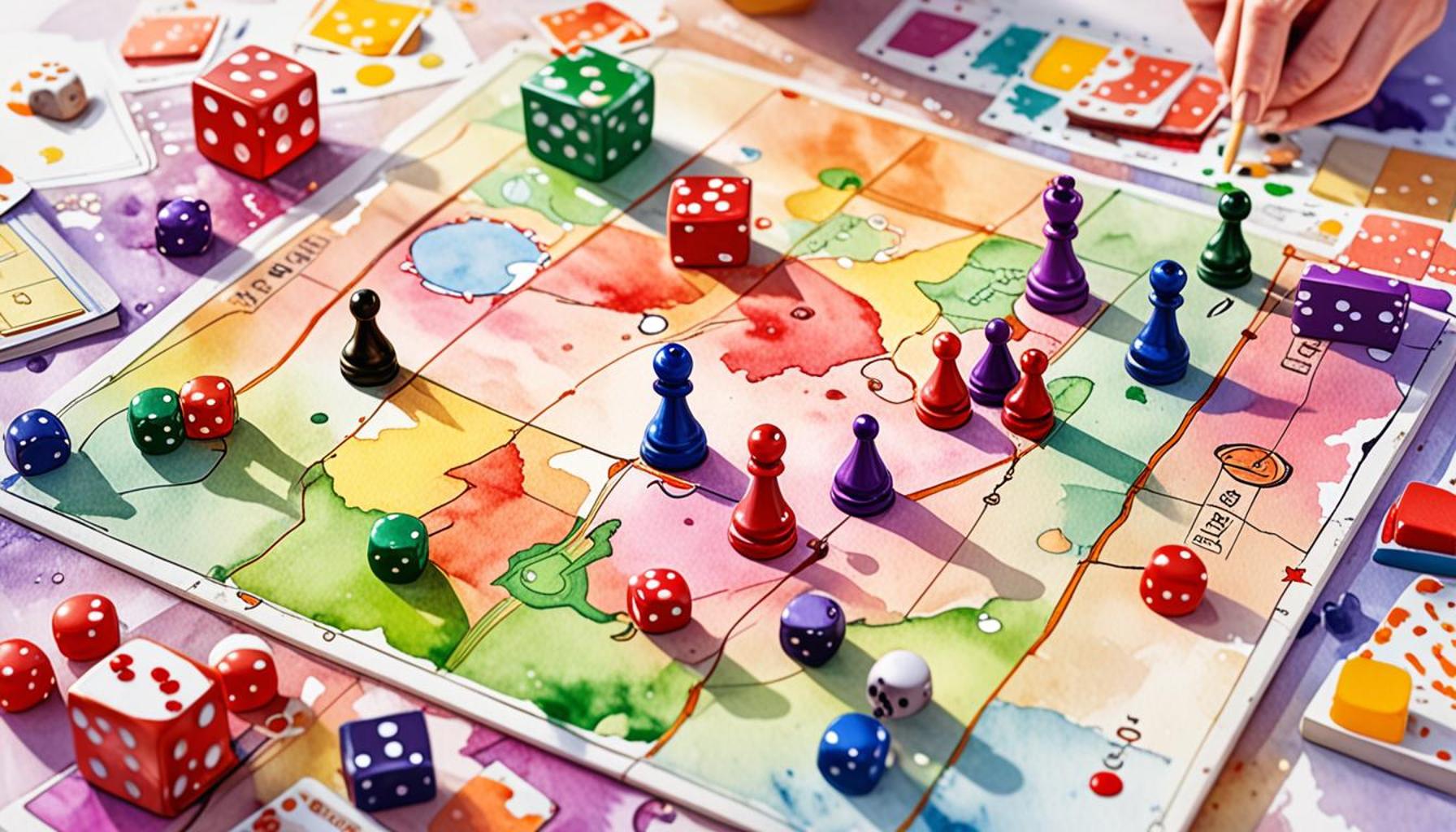
Harnessing Analytical Skills through Strategy Board Games
In the fast-paced realm of modern business, organizations are often faced with complex challenges that require sharp critical thinking and agile problem-solving. To thrive, teams must develop robust analytical skills, making it imperative for companies to seek innovative methods for training and development. The surprising medium of strategy board games emerges as a valuable tool to foster these essential skills in a fun and engaging way.
Strategy board games, typically recognized for their recreational value, offer a wealth of advantages that can be directly applied in the workplace. Here’s a deeper look into why they are becoming a favored resource in corporate training:
- Problem-Solving Skills: Many strategy games, such as “Settlers of Catan” or “Pandemic,” challenge players to navigate obstacles and devise creative solutions. Engaging in these scenarios mirrors real-life business challenges where innovative thinking is crucial. This not only sharpens analytical abilities but encourages players to think outside the box.
- Decision-Making: Board games often require players to make swift decisions that influence their success trajectory. For instance, in a game like “Risk,” players must weigh potential outcomes while considering their resources, akin to budget management in a company. This practice equips professionals to handle high-stakes decisions in their work environments.
- Collaboration: A significant number of strategy games promote teamwork, ensuring that participants hone their communication skills and learn the essence of collaboration. Games such as “Codenames” or “Dixit” necessitate players to work cooperatively to achieve common goals, fostering a sense of unity that translates into stronger workplace relationships.
As organizations explore cutting-edge avenues for growth, the integration of strategy board games in workshops and team-building activities is emerging as a practical approach. By immersing teams in these game scenarios, companies can cultivate an environment that nurtures critical thinking and strategic planning. Furthermore, the social aspect of playing together helps build rapport, breaking down barriers that might inhibit open communication in a professional setting.
In-depth exploration of how these engaging platforms can transform the workplace uncovers a multitude of ways to harness their potential. With a structured implementation plan, businesses can effectively foster a culture of problem-solving and innovation through the playful yet insightful dynamics of strategy board games. This intersection of leisure and learning not only revitalizes team spirit but also elevates overall organizational performance, leading to business excellence.
DISCOVER MORE: Click here to enhance your problem-solving skills

Strategic Thinking and Adaptability in Game Play
One of the standout benefits of engaging with strategy board games lies in their ability to enhance strategic thinking and adaptability among players. In a business landscape where change is the only constant, cultivating these attributes becomes paramount. Games such as “Carcassonne” or “Ticket to Ride” challenge players to think ahead, plan their moves carefully, and anticipate the actions of others, simulating the dynamic nature of real-world business strategy. Players must constantly reassess their positions based on new information and evolving game states, mirroring the need for flexibility in approaching business challenges.
Moreover, these games provide opportunities to practice forecasting and resource allocation. Players often must manage limited resources—whether it’s pieces on the board or in-game currency—to secure victory. This aspect translates directly to business environments where financial and human resources need to be allocated wisely. The experience fosters an understanding of how to prioritize tasks and make informed predictions regarding outcomes based on prior actions.
Additionally, risk assessment and tolerance are inherent elements of strategy games. When playing “Monopoly” or “7 Wonders,” participants must evaluate the risks of their decisions, balancing potential rewards against the chances of failure. This critical thinking exercise mirrors the real-world necessity of weighing risks before making business investments or undertaking new initiatives. Teams can benefit from discussing these in-game decisions, leading to richer dialogue and shared understanding about managing risks in their own organizations.
- Fostering Critical Reflection: After gameplay, players often engage in debriefs where they discuss their strategies, successes, and failures. This reflective practice encourages a culture of openness and learning, allowing players to analyze their choices and improve future decision-making processes.
- Increasing Creativity: Strategy board games frequently present unconventional challenges that require creative solutions. This expands players’ ability to approach problems with innovative perspectives, an invaluable skill as organizations strive to differentiate themselves in competitive markets.
- Enhancing Patience and Focus: Many strategy games require long-term thinking and sustained attention, which helps cultivate patience and focus in participants. These qualities are essential for leaders tasked with overseeing intricate projects or complex negotiations.
As organizations adopt strategy board games as part of their training programs, they unlock unique avenues to enhance critical thinking and creativity in their workforce. Team members learn to strategize collectively, encouraging a collaborative spirit that directly impacts their workplace dynamics. With each game played, individuals are not merely participating in a dry exercise but are also engaging in a powerful experiential learning process. This shift from traditional methods to more interactive approaches not only fosters growth in analytical abilities but also prepares teams to tackle real-world business challenges with confidence.
How Strategy Board Games Enhance Decision-Making Skills
In business environments, decision-making is a critical skill that can significantly impact organizational success. Strategy board games serve as an excellent platform to simulate real-world scenarios where participants are required to devise plans and make informed decisions quickly. These games encourage players to analyze data, weigh risks, and anticipate the reactions of others, thereby honing their ability to think critically and strategically.Furthermore, engaging in board games like “Settlers of Catan” or “Risk” can develop a player’s problem-solving capabilities. Players must navigate challenges and adapt their strategies based on changing game circumstances, which mirrors unpredictable business environments. The interactive nature of these games allows team members to collaborate, debate, and discuss their approaches, fostering a culture of open communication and collective problem-solving. Additionally, the competitive element of strategy games cultivates a sense of urgency and helps improve time management skills. Participants quickly learn to prioritize tasks and make decisions that can lead to victory or defeat, closely aligning with the fast-paced demands of the business world. With this understanding, let’s explore a detailed table summarizing some of the distinct advantages of strategy board games in stimulating critical thinking in business contexts.
| Category 1 | Category 2 |
|---|---|
| Enhanced Decision-Making | Players learn to make informed decisions on the fly, similar to business challenges. |
| Problem-Solving Skills | Encourages critical thinking and adaptability, essential for navigating complex scenarios. |
| Team Collaboration | Stimulates discussion and collective problem-solving among team members. |
| Time Management | Players improve their ability to prioritize tasks under time constraints. |
Incorporating these insightful tools into workplace training can pave the way for innovative thinking and a more strategic approach to everyday business challenges, ultimately leading to enhanced organizational performance.
DISCOVER MORE: Click here to dive deeper
Cultivating Team Dynamics and Collaborative Skills
Another significant advantage of engaging with strategy board games is their potential to cultivate team dynamics and enhance collaborative skills among participants. In a corporate setting, effective teamwork is essential for driving projects to completion and achieving organizational goals. When employees gather around a board game like “Catan” or “Power Grid,” they are not only working towards winning the game but also actively learning how to communicate, negotiate, and collaborate effectively.
Strategy board games often require players to form alliances and make compromises. In “Catan,” for example, players must trade resources with each other to build settlements and roads, necessitating negotiation skills and the ability to read social cues. This interaction models the kind of collaboration seen in the workplace where team members must align their objectives and leverage one another’s strengths to achieve shared success. By facilitating these interactions, strategy games promote a greater understanding of interpersonal dynamics that are crucial in a business context.
Moreover, these games encourage players to develop their empathy skills. As individuals assume the roles of different factions in the game, they must consider the perspectives and motivations of others, echoing the importance of empathy in a multicultural workforce. According to research published in the “Harvard Business Review,” empathy enhances collaboration and drives innovation, competencies that are vital for any successful business. The immersive nature of board games promotes emotional intelligence by pushing players to become aware of their own reactions and those of their teammates, creating a safer environment for expression and idea-sharing.
- Boosting Decision-Making Abilities: Strategy games require players to make swift decisions based on incomplete information. This aspect mirrors real-world business scenarios where decisions must often be made under pressure. Developing quick thinking and decisive action during gameplay allows individuals to improve their decision-making skills in a corporate environment.
- Encouraging Healthy Competition: Many strategy games foster a culture of healthy competition, teaching participants how to handle both wins and losses gracefully. Learning to graciously accept defeat and analyze what went wrong builds resilience, an essential trait that employees need as they navigate the ups and downs of the business world.
- Enhancing Leadership Qualities: Taking on leadership roles within these games forces players to delegate, motivate teammates, and make tough choices, which are indispensable skills in managing a team. Whether leading in a game or at a workplace meeting, individuals learn how to inspire and mobilize others toward a common goal.
Incorporating strategy board games into training and team-building exercises can unveil profound insights into group dynamics, enhancing overall performance. By engaging employees in these interactive experiences, companies can strategically invest in their workforce’s critical thinking, unearthing latent potential and guiding them toward greater productivity. These engaging methodologies not only break the monotony of traditional training but also lay down a foundation for healthier workplace relationships and collaborative cultures.
DIVE DEEPER: Click here to uncover the science behind memory-boosting games
Conclusion
In today’s fast-paced business landscape, fostering critical thinking is indispensable for success. Strategy board games emerge as a powerful tool for enhancing this vital skill within corporate environments. By engaging employees in competitive yet collaborative gameplay, organizations not only stimulate critical thinking but also cultivate essential abilities such as decision-making, negotiation, and empathy. The interactive nature of these games allows participants to experience real-time strategy formulation, adapt to changing circumstances, and evaluate complex outcomes — all under the playful guise of competition.
The lessons learned from playing games like “Catan” and “Power Grid” extend beyond the tabletop, reinforcing the importance of teamwork and effective communication. Employees are encouraged to leverage individual strengths while aligning with team objectives, a dynamic that mirrors the multi-faceted challenges faced in business contexts. Moreover, these games provide a safe platform for practicing resilience and leadership qualities, equipping individuals to better handle the inevitable ups and downs of the workplace.
As companies strive to create innovative and agile teams, integrating strategy board games into professional development initiatives promotes engagement and triggers a deeper understanding of interpersonal dynamics. By investing in these collaborative experiences, organizations are not only enhancing their employees’ critical thinking abilities but also paving the way for a more cohesive and productive workplace environment. The potential for growth through such interactive methodologies invites further exploration and implementation, ultimately contributing to sustained organizational success.