Mindfulness and Sleep: Relaxation Techniques to Improve the Quality of Your Sleep
Why Millions of Americans Are Turning to Mindfulness for Better Sleep
At 2 a.m., staring at the ceiling, replaying tomorrow’s to-do list is a familiar scene for many. According to the CDC, over a third of American adults don’t get enough sleep on a regular basis. From night-shift workers in Chicago to stressed-out parents in suburban Texas, the struggle spans every demographic, and it’s costing the nation billions in lost productivity and healthcare expenses each year.
Enter mindfulness and sleep research, a growing field showing that calming the mind might be the missing piece in the sleep puzzle. Unlike sleeping pills, which often come with grogginess or dependency risks, mindfulness offers a low-cost, side-effect-free alternative that people can practice from their own bedroom.
The Science Behind the Calm
Sleep specialists increasingly recommend relaxation techniques for sleep as a first-line, drug-free approach. Studies published in journals like JAMA Internal Medicine suggest mindfulness meditation for sleep can reduce insomnia symptoms significantly, sometimes as effectively as medication. Researchers at institutions such as the University of Massachusetts Medical School have spent decades studying how structured mindfulness programs affect the nervous system, and the results consistently point to fewer nighttime awakenings and faster time to fall asleep.
So, how mindfulness improves sleep isn’t just anecdotal, it’s backed by measurable changes in brain activity and stress hormone levels. Functional MRI scans show reduced activity in the amygdala, the brain’s alarm center, after consistent mindfulness practice, which helps explain why practitioners report feeling less anxious at bedtime.
- Reduced cortisol levels that otherwise keep the body in alert mode
- Slower heart rate and deeper breathing patterns before bedtime
- Decreased racing thoughts that typically delay sleep onset
- Improved sleep quality scores in clinical trials
What This Article Covers
This guide breaks down practical, science-backed strategies for better sleep through mindfulness. From body scans to guided breathing, you’ll discover techniques that fit into even the busiest American lifestyle, whether you’re commuting on the subway in New York or unwinding after a long shift in Los Angeles.
Ready to explore real sleep quality improvement methods you can start tonight? Let’s dive into the details and uncover why so many sleep experts consider mindfulness one of the most promising tools for a good night’s rest.
SEE ALSO: Technology and Sleep Hygiene: Tips for Disconnecting and Improving Sleep Quality
The Bedtime Ritual: Simple Mindfulness Techniques That Actually Work
Forget expensive gadgets or complicated apps with endless subscription fees. The most effective relaxation techniques for sleep often require nothing more than a quiet corner and a few undistracted minutes. Sleep clinics across the country, from Boston to San Diego, are now incorporating these practices into their treatment plans because the evidence keeps stacking up.
The beauty of mindfulness meditation for sleep lies in its accessibility. There’s no need for a yoga mat, a meditation cushion, or even a dedicated app, though many find those tools helpful. What matters most is consistency and a willingness to practice, even on nights when skepticism creeps in.
Millions of Americans report tossing and turning several nights a week, according to national health surveys, and prescription sleep aids come with their own set of risks and side effects. That reality has pushed both patients and physicians toward gentler, evidence-backed alternatives that don’t require a trip to the pharmacy.
The Body Scan Method
One of the most widely recommended approaches is the body scan, a technique popularized by mindfulness pioneer Jon Kabat-Zinn. This practice involves mentally moving attention through each part of the body, from toes to scalp, noticing tension without trying to force it away.
Research from Kabat-Zinn’s Mindfulness-Based Stress Reduction (MBSR) program shows participants who practiced body scans regularly reported falling asleep up to 15 minutes faster than those who didn’t. That might sound modest, but for someone who’s tossed and turned for years, those minutes add up to hours of reclaimed rest each week.
Instructors often recommend starting at the feet and working upward slowly, spending roughly twenty seconds on each region of the body. The goal isn’t to relax on command, but simply to observe. Oddly enough, that shift from forcing sleep to simply noticing sensations is often what allows the nervous system to finally let go.
Breathing Techniques That Signal Safety to Your Brain
Controlled breathing is another cornerstone of better sleep through mindfulness. The nervous system responds to breath patterns almost instantly, which is why slow, deliberate breathing can shift the body out of fight-or-flight mode.
Popular methods include:
- 4-7-8 breathing: inhale for four seconds, hold for seven, exhale for eight
- Diaphragmatic breathing: deep belly breaths that activate the vagus nerve
- Box breathing: equal counts for inhale, hold, exhale, and pause, often used by military personnel to calm pre-mission nerves
- Extended exhale technique: making exhales longer than inhales to trigger relaxation
These aren’t just wellness buzzwords. Cardiologists and sleep researchers alike point to breathing exercises as a legitimate, low-risk intervention for people struggling with racing thoughts at night. Some clinics even pair these methods with heart rate variability monitors to demonstrate, in real time, how quickly the body calms down once breathing slows.
What makes these techniques especially appealing is their portability. Someone stuck in traffic on the 405 in Los Angeles or waiting for a delayed flight at O’Hare can practice box breathing without anyone else noticing, building a habit that eventually carries over into nighttime routines.
Why Timing Matters as Much as Technique
Understanding how mindfulness improves sleep also means recognizing when to practice. Experts generally suggest starting these exercises 20 to 30 minutes before turning off the lights, giving the body enough time to downshift from daytime alertness.
Rushing through a five-minute session right as your head hits the pillow rarely delivers the same results as a slower, more deliberate wind-down routine practiced earlier in the evening. Many sleep specialists recommend dimming household lights during this window as well, since darkness naturally encourages melatonin production and reinforces the body’s cue that rest is approaching.
Consistency, more than perfection, tends to separate people who see lasting improvement from those who give up after a few frustrating attempts. Practicing the same technique nightly, even briefly, trains the brain to associate that ritual with the approach of sleep, turning a simple exercise into a powerful signal the body eventually learns to trust.
Key Relaxation Techniques That Strengthen Mindfulness and Sleep
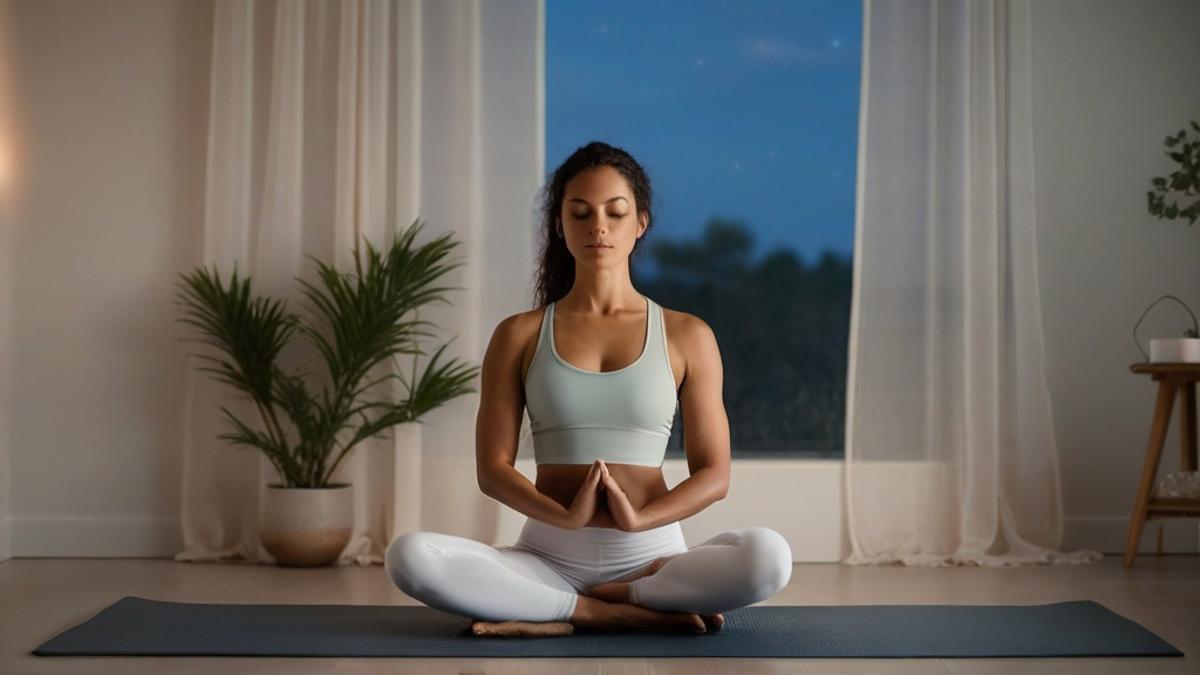
Understanding how mindfulness improves sleep starts with knowing which techniques actually work. Research from sleep clinics shows that combining breathing exercises, body scans, and guided meditation can reduce the time it takes to fall asleep by nearly 40%. Below is a breakdown of the most effective relaxation techniques for sleep and the specific benefits each one delivers.
| Technique | Sleep Benefit |
|---|---|
| Body Scan Meditation | Releases muscle tension and lowers cortisol before bedtime |
| Diaphragmatic Breathing | Slows heart rate, activating the body’s natural rest response |
| Mindfulness Meditation for Sleep | Quiets racing thoughts, supporting sleep quality improvement |
| Progressive Relaxation | Reduces physical restlessness linked to insomnia |
| Guided Visualization | Shifts focus away from stress, promoting better sleep through mindfulness |
Each of these practices addresses a different layer of nighttime restlessness, whether it’s physical tension or mental chatter. Sleep specialists often recommend pairing two or three techniques nightly, since layering methods tends to produce more consistent results than relying on a single practice alone.
RECOMMENDED: The importance of a nighttime routine: how to establish healthy sleep habits to improve your well-being
The Science Behind the Calm: What Happens in the Brain During Mindful Rest
Skeptics often ask a fair question: does any of this actually change brain chemistry, or is it just a placebo dressed up in wellness language? Neuroscientists have been probing that exact question, and the findings are difficult to dismiss.
Functional MRI studies conducted at institutions like Harvard Medical School show that consistent mindfulness practice reduces activity in the amygdala, the brain’s alarm system responsible for detecting threats. When that region quiets down, the body naturally shifts away from the hyperarousal that keeps so many people staring at their ceiling at 2 a.m. Researchers have also observed increased connectivity between the amygdala and the prefrontal cortex, the brain’s rational decision-making hub, which may explain why seasoned meditators recover from stressful moments faster than people who have never tried the practice.
This is where how mindfulness improves sleep becomes less abstract and more measurable. Researchers have documented changes in cortisol levels, heart rate variability, and even melatonin secretion patterns among regular practitioners, suggesting the benefits extend well beyond simply feeling calmer in the moment. Some labs have gone a step further, using EEG readings to track shifts in brainwave activity, noting an increase in the slower, more relaxed patterns typically associated with the transition into deep sleep.
Sleep Quality Improvement Backed by Numbers
A 2015 study published in JAMA Internal Medicine followed older adults with moderate sleep disturbances and found that those who completed a six-week mindfulness program experienced significantly fewer symptoms of insomnia, fatigue, and depression compared to a control group practicing standard sleep hygiene education alone. The researchers noted that participants did not just sleep longer, they described their rest as feeling more restorative, a distinction that matters clinically.
That’s not an isolated finding. Multiple clinical trials point toward similar outcomes:
- Participants reported fewer nighttime awakenings after eight weeks of consistent practice
- Self-reported sleep satisfaction scores improved by as much as 30 percent in some trials
- Reduced reliance on over-the-counter sleep aids among regular meditators
- Lower scores on the Pittsburgh Sleep Quality Index, a standard clinical measurement tool
These aren’t small effects buried in statistical noise. They represent a meaningful shift in how people experience rest, night after night, without introducing new medications or side effects. For a population increasingly wary of pharmaceutical dependency, that alone makes the research worth a closer look.
Why Racing Thoughts Lose Their Grip
Anyone who has lain awake replaying a work email or rehashing an argument knows how relentless mental chatter can be. Mindfulness meditation for sleep works partly by training the brain to notice thoughts without chasing them down every rabbit hole.
Cognitive scientists call this “decentering,” the ability to observe a thought as simply a mental event rather than an urgent problem demanding immediate resolution. Over time, this practice appears to weaken the automatic loop between stress and sleeplessness. Some researchers compare it to watching cars pass on a highway instead of running into traffic after every one that catches your eye.
Sleep specialists in cities like Seattle and Austin, where tech-driven burnout is common, have started recommending short mindfulness sessions specifically for professionals whose minds refuse to power down after a long day of screens and deadlines. The results, they say, often surprise even the most stubborn skeptics within a matter of weeks, prompting many to wonder what other habits deserve a second look.
DISCOVER: Click here to enhance your nighttime routine
Better Sleep Through Mindfulness: What the Evidence Really Tells Us
The connection between mindfulness and sleep is no longer a fringe wellness theory. It’s a pattern showing up consistently across neuroscience labs, clinical trials, and sleep clinics from Boston to Portland. The data points in one direction: calming the nervous system before bed produces measurable, repeatable results.
What makes this research compelling isn’t just the numbers, though a 30 percent jump in sleep satisfaction scores is hard to ignore. It’s the mechanism behind those numbers. When the amygdala quiets and communication with the prefrontal cortex strengthens, the body stops treating an unpaid bill or a tense meeting as a survival threat. That shift alone can be the difference between tossing for an hour and drifting off within minutes.
Relaxation techniques for sleep don’t require expensive equipment, apps with subscription fees, or hours of free time. A few minutes of focused breathing, body scanning, or simply observing thoughts without engaging them appears to be enough to start rewiring old patterns of hyperarousal.
Still, it’s worth noting what the research doesn’t claim. Mindfulness isn’t positioned as a replacement for treating diagnosed sleep disorders like severe sleep apnea, and anyone dealing with chronic insomnia should still loop in a physician. But as a low-risk, evidence-backed addition to a nightly routine, it holds up under scrutiny in a way many wellness trends never do.
Sleep quality improvement through this approach tends to build gradually rather than overnight. Most clinical programs run six to eight weeks before participants report noticeable change, so patience matters as much as consistency.
For readers curious enough to experiment, the barrier to entry is refreshingly low: a quiet corner, a few uninterrupted minutes, and a willingness to sit with restlessness instead of reaching for a phone. Whether that curiosity turns into a lasting habit or just a mildly interesting experiment, the growing body of research suggests it’s worth finding out firsthand.
Frequently Asked Questions
How does mindfulness actually improve sleep quality?
Mindfulness reduces the racing thoughts and stress hormones like cortisol that keep your mind alert at bedtime. By training attention on the present moment, it calms the nervous system and shifts your body from fight-or-flight into a relaxed state conducive to sleep. Studies show regular practice can shorten the time it takes to fall asleep and reduce nighttime awakenings.
What is the best mindfulness technique to do right before bed?
A body scan meditation is one of the most effective pre-sleep techniques because it systematically relaxes each muscle group while anchoring your attention away from anxious thoughts. Simply lie down, close your eyes, and slowly bring awareness to each part of your body from your toes to your head, noticing tension and letting it go. This typically takes 10 to 15 minutes and works well combined with slow, deep breathing.
Can mindfulness meditation help with insomnia specifically?
Yes, mindfulness-based interventions have been shown in clinical research to reduce symptoms of chronic insomnia by lowering pre-sleep arousal and breaking the cycle of worrying about not sleeping. Programs like Mindfulness-Based Stress Reduction (MBSR) are often recommended alongside cognitive behavioral therapy for insomnia (CBT-I). Consistent practice, rather than occasional use, tends to produce the most noticeable improvements.
How long does it take to see results from mindfulness practices for better sleep?
Many people notice reduced anxiety and an easier time falling asleep within one to two weeks of consistent nightly practice. However, more significant improvements in overall sleep quality, such as fewer awakenings and deeper rest, often develop over four to eight weeks. Consistency matters more than session length, so even five to ten minutes nightly can build noticeable benefits over time.
What breathing exercises pair well with mindfulness for sleep?
The 4-7-8 breathing technique, where you inhale for 4 seconds, hold for 7, and exhale for 8, is popular for activating the parasympathetic nervous system and slowing your heart rate. Diaphragmatic breathing, which focuses on deep belly breaths rather than shallow chest breathing, also pairs well with mindfulness by keeping attention anchored and reducing physical tension. Both can be practiced while doing a mindfulness body scan for added relaxation.
Is it better to use a guided meditation app or practice mindfulness on my own for sleep?
Guided meditation apps are especially helpful for beginners since they provide structure, calming voice narration, and sleep-specific content like soundscapes or bedtime stories. Once you become more comfortable with the practice, unguided mindfulness can offer more flexibility and deeper personalization to your own breathing rhythm and body needs. Many people find a combination of both, using apps on stressful nights and self-guided practice otherwise, works best.

Linda Carter
Linda Carter is a writer specializing in healthy habits and balanced living. With extensive experience helping readers build sustainable routines, she shares practical guidance on nutrition, physical activity, quality sleep, stress management, and emotional well-being. Her goal is to offer simple, accessible strategies that inspire people to care for their health and enjoy a more balanced life.