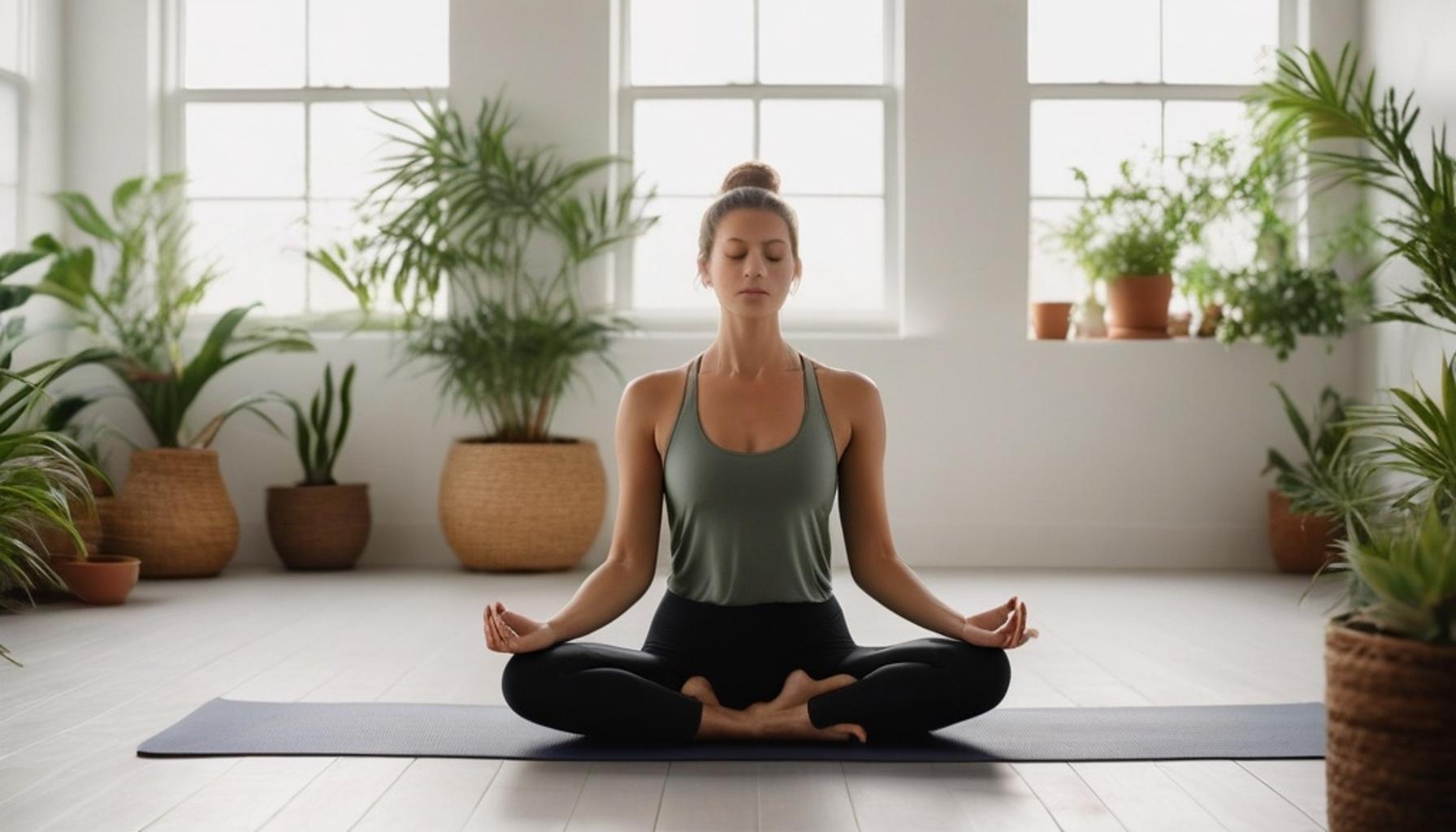
Strategies for Physical Activity to Reduce Stress and Improve Mental Health

Why Movement Matters More Than Ever
Nearly 1 in 5 American adults reports experiencing high stress levels on a regular basis, according to the American Psychological Association. Deadlines, screen time, and daily hassles pile up fast, often leaving people feeling mentally drained before lunchtime even arrives. Add in traffic jams, family responsibilities, and the constant ping of notifications, and it becomes clear why so many Americans describe stress as a near-constant companion. The good news? Science points to a surprisingly accessible solution that doesn’t require a gym membership or hours of free time.
Using physical activity to reduce stress isn’t just a wellness trend—it’s a research-backed strategy with measurable results. From a brisk walk around the block to a full workout session, movement triggers real chemical changes in the brain. Studies published in journals like the Journal of Clinical Psychiatry have shown that even moderate exercise can lower cortisol levels, the hormone most closely tied to chronic stress. Meanwhile, endorphins and dopamine—chemicals responsible for feelings of calm and satisfaction—get a natural boost, creating what many describe as a genuine mood lift.
What makes this especially compelling is how quickly the effects can be felt. Unlike some interventions that take weeks to show results, a single session of moderate exercise, such as a 20-minute jog through a local park or a quick session on a stationary bike, can produce noticeable improvements in mood within hours. This immediacy is part of why health experts increasingly recommend movement as a first line of defense against everyday stress.
What This Article Covers
This guide breaks down practical, science-supported approaches anyone can start today. Whether you’re new to fitness or looking to fine-tune your routine, you’ll find strategies suited to your lifestyle, budget, and schedule—no fancy equipment required.
- Exercise for mental health: how different workouts affect mood and anxiety levels, from yoga to high-intensity interval training
- Stress relief exercises you can do in 10 minutes or less, perfect for lunch breaks or busy mornings
- The specific benefits of physical activity on cortisol and brain chemistry, backed by clinical research
- Simple mental health strategies to pair with movement for lasting results, including sleep and nutrition tips
- Beginner-friendly fitness for stress reduction plans that fit busy schedules, even for those juggling work and family life
Ready to discover how something as simple as a daily walk could reshape your mental well-being? Let’s dive into the evidence and the action steps that follow.
SEE ALSO: The Importance of Mindfulness in Promoting Mental Well-Being
The Science Behind Movement and Mood
To understand why physical activity reduce stress so effectively, it helps to look inside the brain during a workout. When muscles contract repeatedly, the body responds by releasing a cocktail of neurochemicals designed to help you cope. This isn’t folklore or wishful thinking—it’s measurable biology happening in real time, whether you’re lifting weights in a garage gym or walking your dog around the neighborhood in Ohio or Texas.
Researchers at Harvard Medical School have documented that exercise for mental health works on multiple fronts simultaneously. Physical exertion reduces levels of the body’s stress hormones, including adrenaline and cortisol. At the same time, it stimulates the production of endorphins, the brain’s natural painkillers and mood elevators. This dual action explains why a tough spin class or a long hike can leave someone feeling both physically tired and mentally lighter.
What often gets overlooked in casual conversation is just how fast these changes occur. Some studies suggest measurable shifts in cortisol levels within twenty minutes of moderate movement, a timeframe shorter than most people’s lunch break. This rapid response system may explain why so many Americans instinctively reach for a walk around the block after a stressful phone call or a heated email exchange at work. The body, it seems, already knows what the mind is slower to figure out.
How Different Intensities Affect the Brain
Not all movement produces identical effects, and understanding these differences can help tailor a routine to specific needs. Some findings from sports medicine research include:
- Low-intensity activities like walking or gentle stretching primarily reduce anxiety by lowering heart rate and activating the parasympathetic nervous system, the body’s natural “rest and digest” mode.
- Moderate aerobic exercise, such as jogging or cycling for 30 minutes, has been shown to increase serotonin availability, a neurotransmitter linked directly to feelings of well-being.
- High-intensity interval training (HIIT) triggers a stronger dopamine response, often described by participants as an intense sense of accomplishment shortly after finishing.
- Mind-body practices like yoga and tai chi combine movement with breathwork, amplifying stress relief through controlled breathing patterns.
What’s particularly interesting is the cumulative effect. A 2021 review in Frontiers in Psychology found that people who engaged in regular movement, even just three times weekly, reported significantly lower baseline stress compared to sedentary peers. The benefits of physical activity compound over time, meaning consistency often matters more than intensity.
This is encouraging news for anyone intimidated by marathon training or complicated gym routines. The threshold for meaningful change appears lower than most people assume, opening the door to realistic, sustainable habits rather than extreme overhauls.
Why Location and Environment Matter Too
Beyond the type of exercise, where it happens seems to play a surprisingly large role. Outdoor activity, sometimes called “green exercise” in academic circles, appears to offer stress-relief benefits beyond what indoor workouts provide alone. Studies conducted across university campuses in states like California and North Carolina found that participants who exercised in parks or wooded trails reported lower anxiety scores than those who performed identical routines on a treadmill indoors.
This raises an intriguing question for city dwellers: does access to green space become a public health issue rather than simply a lifestyle preference? Urban planners in cities like Denver and Minneapolis have already begun incorporating more walking trails and outdoor fitness stations into neighborhood design, suggesting that some policymakers are taking this connection seriously.
There’s also the social dimension to consider. Group fitness classes, recreational sports leagues, and even casual walking clubs introduce a layer of human connection that solo workouts sometimes lack. Since loneliness itself is a recognized stress amplifier, the camaraderie built during a Saturday morning basketball game or a neighborhood running club might be doing quiet, unmeasured work alongside the physiological benefits already discussed.
Taken together, these findings suggest that stress relief through movement isn’t a single mechanism but a layered system involving brain chemistry, environment, and social context all working in tandem. For anyone curious about optimizing their own routine, this opens plenty of avenues worth exploring further.
SEE ALSO: The Influence of Healthy Eating on Mood and Mental Health
# Strategies for Physical Activity to Reduce Stress and Improve Mental Health
Practical Strategies for Building a Stress-Reduction Routine
Knowing the science behind movement is one thing; actually building a sustainable habit is another challenge entirely. The good news is that effective mental health strategies don’t require expensive equipment or hours of free time. They require intention, and a willingness to start small.
Fitness experts across the country, from trainers in Miami to physical therapists in Seattle, tend to agree on one point: the best exercise for stress relief is the one someone will actually stick with. A perfectly designed program that gets abandoned after a week does far less good than a modest routine practiced consistently.
Micro-Workouts and the Power of Small Doses
One strategy gaining traction among researchers is the concept of “exercise snacking.” Rather than committing to a single 45-minute session, people break movement into shorter bursts spread throughout the day.
- Five-minute walks after meals have been shown to blunt blood sugar spikes while also resetting mental focus during long workdays.
- Desk stretches every 90 minutes can interrupt the physical tension that builds from sitting, a common complaint among office workers in cities like Chicago and Atlanta.
- Stair climbing instead of elevator use adds brief cardiovascular spikes that researchers at the University of Essex linked to rapid mood improvements, sometimes within minutes.
This approach matters because it removes the psychological barrier of needing a full hour or a gym membership. It reframes stress relief exercises as something woven into daily life rather than a separate obligation competing for time.
Matching Activity to Emotional State
Another practical strategy involves recognizing that different stress presentations may call for different movement types. Someone experiencing racing thoughts and agitation might benefit more from rhythmic, repetitive movement like swimming or cycling. Someone feeling flat or unmotivated might respond better to something stimulating, like a dance class or a competitive pickup game of basketball.
Behavioral health clinics in states including Colorado and Oregon have started incorporating this kind of personalized movement planning into outpatient treatment, pairing traditional therapy with structured physical activity recommendations tailored to individual symptoms.
Tracking Progress Without Obsessing Over Numbers
Wearable technology has made it easier than ever to monitor heart rate, sleep quality, and activity levels. Used thoughtfully, this data can reveal patterns, perhaps a person notices their resting heart rate drops noticeably on days they walk outdoors, or that sleep quality improves after strength training sessions.
However, clinicians caution against turning fitness tracking into another source of pressure. The goal remains fitness for stress reduction, not perfection. Obsessive number-checking can occasionally backfire, transforming a stress-relieving activity into another performance metric to worry about.
For most people, a simple weekly check-in, noting energy levels, mood, and sleep, provides enough insight to adjust a routine without falling into obsessive tracking habits.
YOU MAY ALSO LIKE: How Physical Exercise Contributes to Mental Health and Emotional Balance
Bringing It All Together: Movement as Everyday Medicine
The evidence is clear on one central point: using physical activity reduce stress as a daily practice, rather than an occasional fix, produces the most reliable results. From five-minute walks in a Chicago office building to a swim session in a Seattle community pool, the format matters far less than the consistency behind it.
What separates people who benefit from movement long-term isn’t willpower or access to fancy equipment. It’s the decision to treat activity as flexible and personal, adjusted to mood, schedule, and energy rather than forced into a rigid template.
Key Takeaways for Long-Term Success
- Short bursts of movement throughout the day can rival longer workouts in their impact on mood and focus.
- Matching activity type to emotional state, calming for agitation, energizing for low motivation, makes exercise for mental health more effective and sustainable.
- Tracking progress should inform decisions, not create pressure; a simple weekly reflection often works better than obsessive data review.
Public health officials in places like Oregon and Colorado are already weaving these mental health strategies into clinical care, signaling a broader shift toward viewing movement as a legitimate treatment tool rather than a lifestyle afterthought.
The benefits of physical activity extend well beyond mood, touching sleep quality, blood sugar regulation, and even workplace productivity. Yet the most compelling case remains a personal one: the small, repeatable choice to move, whether through a stretch, a stair climb, or a neighborhood walk, adds up over months and years.
For readers looking to explore stress relief exercises further, the next step is simple. Pick one small change this week, notice how the body and mind respond, and build from there. That single decision, repeated consistently, may prove to be the most practical form of fitness for stress reduction available to anyone, regardless of budget, location, or fitness level.
Frequently Asked Questions
How much exercise do I need to notice a reduction in stress levels?
Research suggests that just 20 to 30 minutes of moderate exercise, such as brisk walking or cycling, can trigger the release of endorphins and lower cortisol levels. Doing this three to five times per week tends to produce noticeable improvements in mood within two to three weeks. Consistency matters more than intensity when it comes to long-term stress relief.
What type of physical activity is best for reducing stress and anxiety?
Aerobic activities like walking, jogging, swimming, and cycling are especially effective because they increase heart rate and boost endorphin production. Mind-body practices such as yoga and tai chi also reduce stress by combining movement with controlled breathing. The best choice is ultimately the one you enjoy enough to do regularly.
Can short bouts of exercise during a busy workday still help lower stress?
Yes, even short 5 to 10 minute activity breaks, like a quick walk around the block or a set of stretches, can interrupt the stress response and clear your mind. These micro-workouts help reduce muscle tension and improve focus without requiring a full workout session. Accumulating several short sessions throughout the day can be just as beneficial as one longer workout.
How does physical activity reduce stress at a biological level?
Exercise lowers levels of stress hormones like cortisol and adrenaline while stimulating the production of endorphins and serotonin, which naturally improve mood. It also promotes better sleep and increases resilience to future stressors by regulating the nervous system. Over time, regular activity can even change brain structure in areas linked to emotional regulation.
What if I feel too anxious or exhausted to start exercising for stress relief?
Start with very low-effort activities, such as a five-minute walk or gentle stretching, rather than aiming for an intense workout right away. Building a small, sustainable habit is more effective than pushing yourself into a routine that feels overwhelming. If anxiety or fatigue persists despite gradual activity increases, consult a healthcare provider to rule out underlying issues.

Linda Carter
Linda Carter is a writer specializing in healthy habits and balanced living. With extensive experience helping readers build sustainable routines, she shares practical guidance on nutrition, physical activity, quality sleep, stress management, and emotional well-being. Her goal is to offer simple, accessible strategies that inspire people to care for their health and enjoy a more balanced life.