The Connection Between Memory Games and the Prevention of Cognitive Decline in the Elderly
The Benefits of Engaging in Memory Games
As individuals age, the importance of maintaining cognitive function escalates. This is particularly true in light of the rising prevalence of cognitive decline and disorders such as Alzheimer’s disease and other forms of dementia among the elderly population. One compelling method to combat these challenges is through memory games. These engaging activities not only provide fun but also significantly stimulate brain function, offering both mental exercise and social interaction.
Why Memory Games Matter
Research has consistently highlighted that memory games can enhance a variety of cognitive abilities essential for daily life. For instance:
- Attention and focus – Many memory games require players to concentrate, which sharpens their focus. A popular example would be the classic card-matching game where players must remember the location of specific cards and reveal them in pairs.
- Problem-solving – Engaging in strategic games like chess encourages players to think several steps ahead and adapt their strategies based on their opponent’s moves. This kind of dynamic encourages flexibility in thinking.
- Recall – Memory-enhancing activities, such as the game “Simon Says” or various digital memory apps, train the brain to better remember names, places, and experiences, which can be beneficial in everyday interactions.
Moreover, studies suggest that regular engagement in memory games can significantly contribute to maintaining brain health and possibly delaying the onset of dementia. In fact, research from the Alzheimer’s Association found that individuals who play cognitive games experience improvements in their memory and cognitive processing speed.
Engaging regularly in memory games promotes:
- Brain plasticity – This is the brain’s remarkable ability to reorganize itself by forming new neural connections. As people participate in challenging cognitive activities, they enhance this capacity, improving overall cognitive resilience.
- Social interaction – Many memory games are best enjoyed in groups, whether at community centers or during family gatherings. This social aspect can enhance emotional well-being and reduce feelings of isolation often linked with aging.
Beyond mere entertainment, memory games serve as effective tools for elderly individuals aiming to promote and maintain cognitive health. With a growing body of evidence pointing to the benefits of these games, experts are advocating for more resources and programs aimed at incorporating memory exercises into daily routines.
Exploring Further
Understanding the connection between memory games and cognitive wellness allows us to take proactive measures in preserving mental acuity as we age. This article will delve deeper into how memory games function as a crucial resource in combating cognitive decline among the elderly. Through a deeper investigation, we can uncover the myriad ways these games can not only enhance memory but also enrich social connections, improve mood, and provide a sense of accomplishment, leading to a healthier, more vibrant life.
DIVE DEEPER: Click here to uncover the psychology behind logic games
Memory Games as a Cognitive Lifeline
The undeniable connection between memory games and cognitive health among the elderly unveils a fascinating intersection of neuroscience and recreational activity. As today’s elderly population continues to grow, understanding how to stave off cognitive decline becomes increasingly vital. Memory games, in their various forms, have emerged as not only a source of entertainment but also as formidable tools for enhancing mental sharpness. Their structured challenges require participants to utilize and strengthen key cognitive functions that are often impaired with age.
How Memory Games Boost Cognitive Function
Memory games engage several cognitive processes that are essential for maintaining a sharp mind. Through routine participation, elderly individuals can derive numerous benefits:
- Enhanced Memory Recall – Games designed to improve memory, such as crossword puzzles or memory match games, push players to tap into their existing knowledge and prioritize the recollection of facts and figures. Such activities practice memory retrieval techniques, proving vital in everyday scenarios like recalling names or important dates.
- Increased Cognitive Flexibility – Cognitive flexibility—the ability to adapt thinking and behavior in response to changing situations—can be significantly improved by playing adaptive memory games. Many games incorporate varying levels of difficulty, encouraging players to think creatively and multitask, which is beneficial for overall brain health.
- Strengthened Logical Reasoning – Engaging with games that involve strategic thinking, such as puzzles or brain teasers, helps sharpen logical reasoning skills. By regularly tackling these challenges, individuals can foster better decision-making abilities, directly impacting their quality of life.
- Emotional Enrichment – Memory games often evoke joy and satisfaction, contributing to a positive emotional state. This psychological benefit can help combat feelings of loneliness or depression, common among the elderly, and serves to enhance overall well-being.
Moreover, a growing number of studies lend credence to the assertion that memory games can reduce the risk of developing more serious cognitive disorders. Data from recent research suggests that consistently participating in cognitive activities can yield a 30-40% reduction in the risk of dementia in seniors. Games like “Lumosity” or the classic board game “Scrabble” give players a platform to utilize and develop their cognitive abilities.
Indeed, the underlying premise is that just as physical exercise is essential for maintaining bodily health, mental exercises through memory games are paramount for preserving neural integrity as one ages. This synergy underscores the significance of incorporating memory games into daily routines. As the scientific community continues to investigate these connections, the conversation surrounding mental health and longevity will undoubtedly expand, emphasizing the pivotal role of memory games in the quest for cognitive resilience in the elderly.
As we delve deeper into The Connection Between Memory Games and the Prevention of Cognitive Decline in the Elderly, it’s essential to recognize the multifaceted benefits these activities offer. Engaging in memory games not only provides entertainment but also serves as a mental workout, enhancing various cognitive functions. Studies have shown that regular participation in such activities can help maintain and even improve memory, attention span, and problem-solving skills, all of which are crucial for elderly individuals.
Moreover, memory games foster social interaction, a key component for mental health. Playing these games often involves collaboration and communication, promoting feelings of connection and reducing feelings of isolation. This social aspect provides dual benefits: cognitive stimulation and emotional support, which together contribute to a better quality of life. Additionally, stimulating the mind through memory exercises can potentially delay the onset of symptoms related to cognitive decline, such as those seen in dementia.
The brain’s ability to form new connections, known as neural plasticity, is significantly enhanced through activities that challenge its capacity. Memory games, specifically designed for the elderly, increase the brain’s adaptability, thereby cultivating a more resilient mental state. By adapting to various difficulties within these games, individuals can build their cognitive reserve, thus fortifying themselves against age-related decline.
To illustrate the impressive outcomes associated with memory games, consider this: recent research indicates that individuals who engage regularly in cognitive activities exhibit a lower risk of developing Alzheimer’s disease. This correlation underscores the importance of incorporating these games into daily routines for the elderly.
Now, let’s explore the advantages of memory games further in the following table:
| Advantage | Description |
|---|---|
| Enhanced Memory | Regular engagement in memory games helps improve and retain memory functions. |
| Social Interaction | Playing games encourages socialization, reducing feelings of loneliness and promoting emotional well-being. |
By actively participating in tailored memory games, the elderly can significantly improve their cognitive functions while also enjoying the social and emotional benefits that pad their golden years with joy and vigor.
DIVE DEEPER: Click here to enhance your skills
Community and Social Interaction Through Memory Games
While the cognitive enhancements resulting from memory games are profound, their social implications are equally noteworthy. Engaging in memory games offers elderly participants a unique platform for social interaction, which is crucial for mental and emotional well-being. Studies consistently show that social engagement can significantly mitigate feelings of isolation often experienced by seniors, further underscoring the importance of memory games as a vehicle for connection.
The Role of Socialization in Cognitive Health
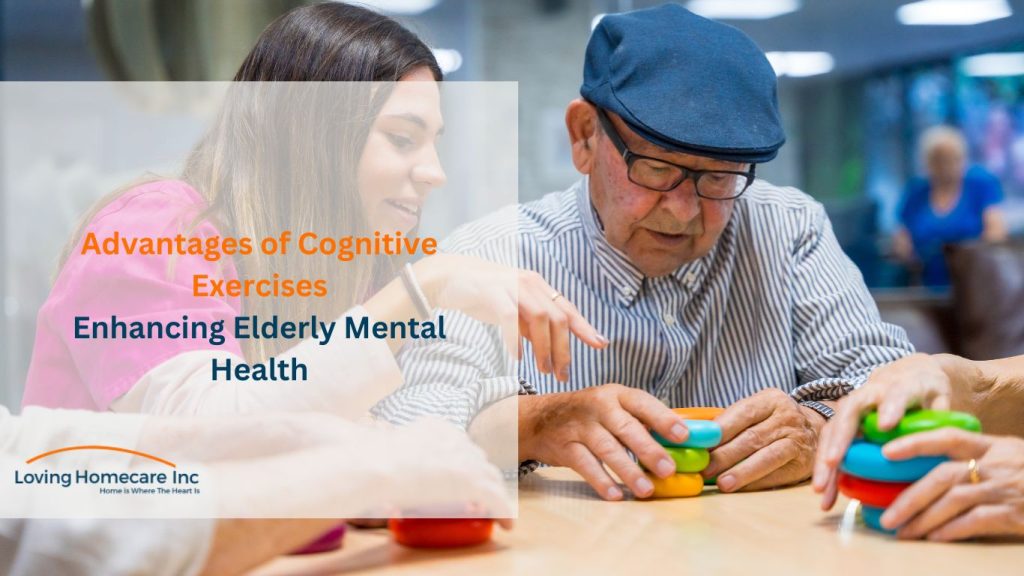
Memory games frequently serve as communal activities—whether in senior centers, community clubs, or family gatherings. When seniors come together to tackle brain teasers or partake in group puzzles, they not only challenge their minds but also foster relationships. This interaction can have a lasting impact on cognitive health:
- Stimulated Brain Functions – Engaging in conversations surrounding the gameplay encourages cognitive stimulation. These discussions can enhance memory recall and logical reasoning, making social play a twofold benefit for brain function.
- Emotional Support – Regular interaction with peers can combat feelings of loneliness and anxiety, conditions which are often correlated with cognitive decline. The laughter and conversation that accompany playing memory games not only spur joy but provide emotional solace, creating a nurturing environment.
- Shared Learning Experiences – Group gaming fosters a spirit of collaboration and shared learning. Seniors can exchange techniques and strategies for completing memory games, ensuring continual cognitive challenge while creating a supportive atmosphere.
In fact, the National Institute on Aging suggests that participating in social activities, including memory games, can help maintain cognitive independence. Seniors engaged in meaningful social interactions are more likely to remain active participants in their own health. This is particularly relevant in the context of memory games as they present an accessible and enjoyable means for seniors to interact.
Examples of Popular Memory Games for Seniors
The variety of memory games available ensures that there is something for everyone, regardless of skill levels or personal preferences. Here are a few popular options that have garnered attention:
- Bridge – This classic card game challenges players to use strategy and memory, making it a perfect fit for mental exercise while fostering social connections among participants.
- Memory Match – Often played with cards, this game requires players to find matching pairs. The simplicity and adaptability of the game make it enjoyable for various age groups and mental capabilities.
- Bingo – Beyond its entertainment value, Bingo can help seniors with auditory and visual cognitive skills. Group Bingo games facilitate camaraderie while providing an opportunity for friendly competition.
- Online Memory Apps – With the rise of digital platforms, apps like Peak and Brainwell offer engaging memory challenges that seniors can play alone or in virtual settings with family or old friends.
As the landscape of cognitive engagement evolves, leveraging both traditional and modern memory games can enrich the lives of seniors. The unique blend of cognitive challenges and social interaction not only helps in combating cognitive decline but also empowers seniors, fostering a sense of belonging and purpose. The implications of this connection are profound, paving the way for a more engaged, healthier aging experience as communities continue to invest in programs that facilitate these enriching activities.
DISCOVER MORE: Click here to enhance your memory and concentration
Conclusion: Empowering Seniors Through Memory Games
In summary, the connection between memory games and the prevention of cognitive decline in the elderly is both significant and multifaceted. As explored throughout this article, participating in memory games can yield not only enhanced cognitive abilities but also enrich the social lives of seniors. This dual benefit is crucial, as maintaining cognitive function is intertwined with emotional well-being and social engagement. The simple act of engaging in a game can spark lively conversations, foster new friendships, and alleviate feelings of isolation, creating a supportive network that promotes a healthier mindset.
Moreover, the variety of memory games available today—from classic card games to interactive apps—ensures that every senior can find an activity that suits their interests and abilities. This adaptability emphasizes the importance of incorporating memory games into regular routines, whether at home, in community settings, or through digital platforms, providing opportunities for interactive fun and intellectual challenge.
As communities recognize the vital role these activities play, investing in programs that facilitate memory games can help create environments where seniors continue to thrive. By encouraging participation in memory games, we not only combat cognitive decline but also support a vibrant and active lifestyle that promotes a sense of purpose and belonging. The ongoing exploration and adaptation of memory games offer a compelling avenue for enhancing the quality of life among older adults, making it an essential aspect of holistic elder care.