The Evolution of Brain Teasers: From Antiquity to Modern Challenges
The human intellect is a remarkable tool, and various cultures have developed unique ways to sharpen it over the ages. One of the most engaging methods is brain teasers, which have transformed significantly throughout history. From their inception as rudimentary puzzles in ancient societies to the intricate digital conundrums readily available today, brain teasers have continually captivated minds and fostered innovation. This article delves into this extraordinary evolution, highlighting how brain teasers serve not only as entertainment but also as critical educational tools.
A Historical Perspective on Brain Teasers
Across the ages, brain teasers have played a crucial role as both educational instruments and forms of amusement. They can be classified into three primary eras, each reflecting the societal context of the time:
- Antiquity: The origins of brain teasers date back to early civilizations such as the Greeks and Romans, where riddles and logic puzzles were documented in historical texts. One famous example includes the riddle of the Sphinx, which posed a challenge to travelers seeking passage. Literature from this era often celebrated the cleverness of individuals who could solve such puzzles.
- Middle Ages: As society progressed, so did the types of brain teasers. The Middle Ages saw the emergence of charades and various forms of wordplay, especially in the courts of Europe. These interactive games often involved jesters and nobles alike, fostering community interaction and entertainment during long winters.
- Modern Era: The dawn of the 20th century and the rise of the internet have revolutionized brain teasers. Books filled with puzzles became best-sellers, and now a multitude of online platforms and mobile apps, such as “Brain Age” and “Lumosity,” allow people to engage with brain teasers anytime and anywhere. This accessibility has led to a surge in popularity among diverse age groups in the United States and around the world.
Why Brain Teasers Matter
The evolution of brain teasers is not merely a reflection of changing formats; it mirrors broader societal shifts and advances in technology. In classrooms, educators have incorporated brain teasers as part of curricula, recognizing their power in stimulating cognitive development. By engaging students with challenging puzzles, teachers promote critical thinking and creative problem-solving skills.
Furthermore, contemporary adaptations of brain teasers have broadened their appeal. From simple crosswords to intricate escape room challenges, there is now a brain teaser suitable for every interest and intellect level. The availability of these puzzles on digital platforms ensures that they are not only fun but also serve as a form of cognitive exercise.
The Science Behind the Challenge
From a scientific perspective, brain teasers captivate us due to the complex interplay of cognitive functions. Neuroscientific research suggests that such puzzles stimulate neural pathways, fostering greater brain connectivity. The act of solving a riddle or a problem releases dopamine, the ‘feel-good’ neurotransmitter, which reinforces learning and encourages continued engagement.
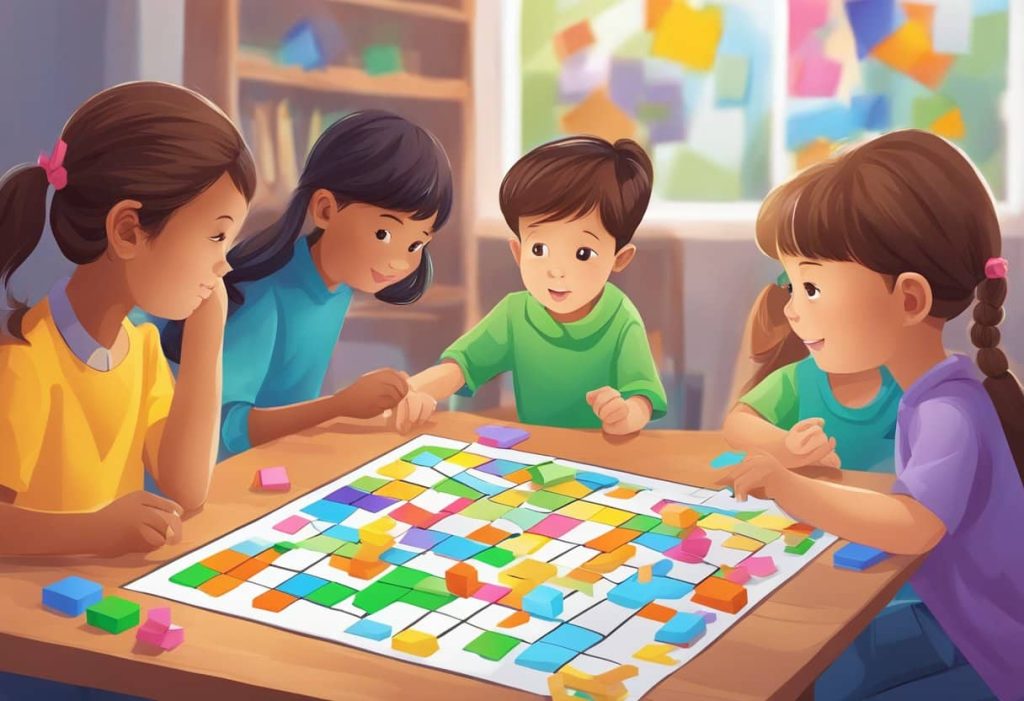
As we explore the intricate world of brain teasers, we invite readers to join this journey, uncovering the deeper meanings behind these captivating challenges and recognizing their lasting impact on both individual cognition and collective creativity.
DISCOVER MORE: Click here to enhance your memory skills
The Historical Journey of Brain Teasers
The evolution of brain teasers is deeply intertwined with the cultural and technological advancements of human civilization. From the earliest times, puzzles and riddles have not only entertained but have also served as vital tools for cognitive development. Understanding the historical journey of these intriguing challenges reveals insights into the human condition and intellectual growth.
Antiquity marked the inception of brain teasers, where ancient civilizations, including the Egyptians, Babylonians, Greeks, and Romans, used simple riddles and logic puzzles to both challenge and amuse their citizens. One notable example is the riddle of the Sphinx, famously posed to travelers on their way to Thebes. Those who failed to answer the riddle correctly faced dire consequences, making the solution not just a test of wit, but a matter of survival. Other notable puzzles, such as the “Riddle of the Gorgon,” showcased the Greeks’ appreciation for language and cleverness, further embedding riddles into the fabric of their society.
- Creative Expression: Riddles often allowed for the playful exploration of language and logic, sparking early forms of creativity that are still present in modern brain teasers.
- Community Engagement: Solving riddles often occurred in communal settings, enhancing social bonds and stimulating collective thinking among participants.
- Intellectual Competition: Ancient societies recognized the value of wit; the ability to solve a riddle was often seen as a sign of social status and intelligence.
Transitioning into the Middle Ages, brain teasers adapted to reflect the cultural dynamics of Europe. This era witnessed the rise of charades and wordplay, prevalent in courts where jesters entertained monarchs. Words became a medium for both humor and intellect, as clever puns and jokes captivated audiences during lengthy feasts and gatherings. The spirit of the time was encapsulated in manuscripts that featured clever verses and logic games, contributing to the rich tapestry of medieval storytelling. Notably, literary figures, such as Geoffrey Chaucer, incorporated riddle-like elements into their narratives, engaging readers to think critically about language and meaning.
As we entered the Modern Era, the shift in brain teasers became pronounced due to technological advancements. The 20th century introduced puzzle books, which became immensely popular—thanks, in part, to renowned puzzle authors like Sam Lloyd and later, Edgar Allan Poe. This period laid the groundwork for modern brain teasers and sparked a growing interest in mental challenges that spanned various demographics. Today, the internet offers a myriad of puzzle-solving platforms, and mobile applications have made brain teasers more accessible than ever. The launch of popular games and apps has ensured that brain teasers engage diverse audiences across the globe, manifesting in a variety that ranges from simple quizzes to sophisticated logic games.
This progression from ancient riddles to contemporary challenges demonstrates not only shifts in entertainment but also changes in learning and cognitive engagement. Each era of brain teasers not only entertains but serves as a reflection of the intellectual climate of its time. As we delve deeper into the significance of brain teasers today, we uncover profound insights into their impact on education, mental health, and cognitive fitness.
The Evolution of Brain Teasers: From Antiquity to Modern Challenges
As we delve deeper into the fascinating world of brain teasers, it becomes evident that these puzzles have not only entertained but also educated countless generations. One striking advantage of engaging with brain teasers is their ability to enhance cognitive skills. From ancient riddles posed in Greek mythology to intricate puzzles showcased in modern-day escape rooms, they have always served as a platform for individuals to challenge their logical reasoning and problem-solving capabilities.Notably, brain teasers have evolved alongside advancements in technology, transforming the way we interact with them. The introduction of digital platforms has made these puzzles more accessible than ever, allowing enthusiasts to connect across the globe. This evolution has also fostered a greater appreciation for diverse cognitive approaches. For instance, while ancient brain teasers often relied on wordplay and lateral thinking, contemporary challenges might incorporate mathematical patterns or even artificial intelligence algorithms, engaging a wider audience.Brain teasers also play a crucial role in education. Educators utilize them to foster critical thinking in classrooms, emphasizing their versatility. Whether through simple logic puzzles or complex problem-solving scenarios, students are encouraged to think creatively and collaborate with peers. This engagement not only cultivates a love for learning but also prepares individuals to tackle real-world challenges with innovative solutions.To visualize these compelling aspects, consider the following table summarizing the advantages of engaging with brain teasers throughout history.
| Category | Advantages |
|---|---|
| Cognitive Development | Enhances logical reasoning and problem-solving skills |
| Educational Tool | Encourages critical thinking and cooperation among students |
The continuing evolution of brain teasers highlights their enduring significance in shaping individuals’ mental agility, paving the way for more complex challenges. As we further explore this topic, we can’t help but wonder: what innovative brain teasers await in the future?
DIVE DEEPER: Click here to uncover the psychology behind problem solving
Brain Teasers in the Contemporary Era
The modern-day passion for brain teasers has surged, driven by technological innovations and an ever-growing appreciation for the value of cognitive challenges. With the advent of the internet and smartphones, puzzles have transformed into a global phenomenon, appealing to diverse audiences with varying interests. Today, brain teasers span a multitude of formats, from classic riddles and crossword puzzles to complex escape room challenges and interactive online games.
Digital Accessibility: The rise of online platforms has democratized access to brain teasers. Websites like Braingle and Riddles.com curate vast collections of puzzles, enabling enthusiasts to explore and solve them from the comfort of their homes. Mobile applications like Trivia Crack and Elevate further facilitate brain-training exercises, offering users an engaging way to enhance their cognitive abilities on the go. The cross-pollination of technology and traditional brain teasers not only broadens their reach but also revitalizes engagement through interactive components.
- Variety and Complexity: Modern brain teasers offer a plethora of challenges tailored to different skill levels and interests. Whether it’s a quick riddle or a multi-layered logic puzzle, the options are endless, catering to both casual solvers and serious enthusiasts.
- Community and Competition: Online forums and social media platforms have fostered communities centered around puzzle-solving. Competitive formats, like timed challenges or collaborative mystery games, have become popular, creating a sense of camaraderie and fostering intellectual engagement among participants.
Moreover, the educational sector has recognized the importance of brain teasers in enhancing learning outcomes. Schools across the United States have incorporated puzzles into their curricula, emphasizing critical thinking and problem-solving skills in interactive ways. Educators employ brain teasers to stimulate classroom discussions, encourage teamwork, and develop analytical abilities. Research has shown that engaging with brain teasers can lead to improved memory retention and greater adaptability in thought processes, further underlining their significance in contemporary education.
Mental Health and Wellness: In today’s fast-paced world, mental health awareness has taken center stage, and brain teasers are being embraced as a tool for stress reduction and cognitive wellness. Regular engagement with puzzles has been linked to lower levels of anxiety and depression, providing individuals a healthy outlet for distraction and mental stimulation. Many mental health professionals advocate for the inclusion of puzzles as part of a routine aimed at maintaining cognitive agility and emotional resilience.
Finally, the societal implications of brain teasers continue to unfold as they inspire innovation and creativity across various fields. From marketing campaigns that incorporate puzzles to promote brands to fitness programs like brain gyms that use challenges for cognitive training, brain teasers are shaping modern culture in intriguing ways. They not only entertain but also serve as catalysts for brainstorming sessions, problem-solving workshops, and team-building exercises in corporate environments.
As we navigate through the various expressions and adaptations of brain teasers, it becomes apparent that they hold profound significance beyond mere amusement. These intellectual challenges mirror societal advancements and human creativity, demonstrating an enduring appeal that has evolved and transformed throughout history.
DISCOVER MORE: Click here to enhance your mental wellness
Conclusion
In tracing the fascinating journey of brain teasers from their roots in ancient cultures to their present-day manifestation as digital challenges, we uncover a rich tapestry woven with historical significance and contemporary relevance. Brain teasers have seamlessly transitioned from simple riddles inscribed in manuscripts to intricate puzzles that fill our smartphones and online forums, engaging a diverse audience across the globe.
This evolution highlights not only the innate human desire for intellectual stimulation but also the role that these challenges play in shaping our cognitive abilities and societal interactions. Today’s brain teasers are more than mere entertainment; they foster critical thinking, enhance problem-solving skills, and serve as tools for mental acuity. With the growing recognition of the importance of mental health, these puzzles have emerged as an effective way to alleviate stress, improve cognitive resilience, and build community, transcending mere amusement.
As we embrace the future of brain teasers, the potential for innovation remains vast. The intersection of technology and creativity guarantees a continual evolution, urging enthusiasts to push the boundaries of what puzzles can achieve in education, wellness, and even professional environments. By delving deeper into this realm of cognitive challenges, we invite readers to explore new dimensions of puzzles, appreciate their historical significance, and actively engage with the many forms they embody today. Whether for personal development or simply as a delightful pastime, the world of brain teasers awaits, ready to inspire and challenge at every turn.