The Impact of Collaborative Board Games on the Improvement of Social and Cognitive Skills in Diverse Groups
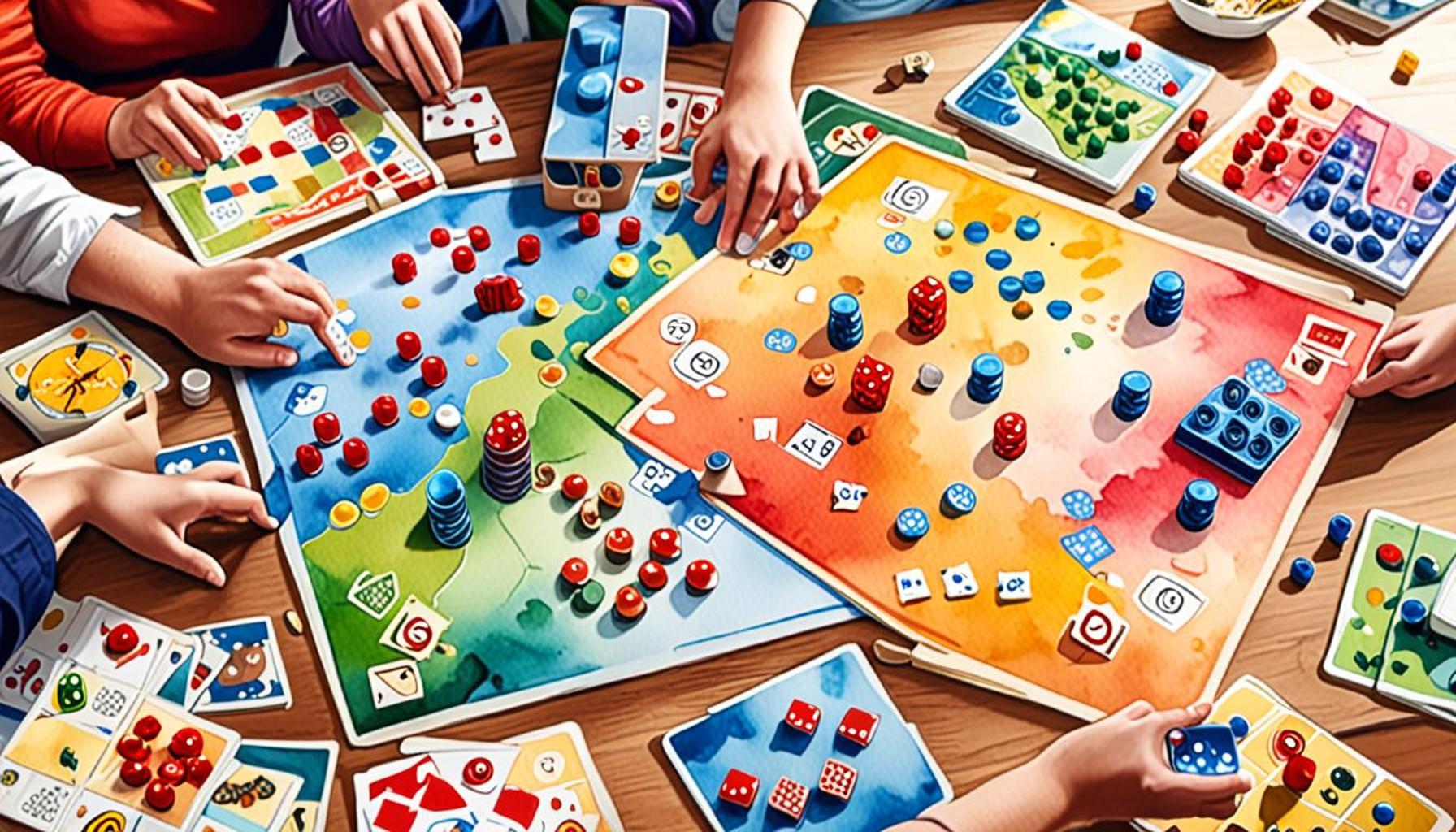
Unlocking Potential Through Play
In today’s fast-paced world, fostering social and cognitive skills among diverse groups is more crucial than ever. Collaborative board games provide unique opportunities for individuals to engage with one another in meaningful ways. These games create a platform where players can develop essential skills in a fun and interactive environment. The appeal of these games lies not only in their entertainment value but also in their potential to create lasting impacts on participants’ lives.
Benefits of Collaborative Board Games
- Enhanced Communication: Players learn to express ideas clearly and listen actively. For example, when playing a game like “Pandemic,” teammates must articulate strategies and share information about resources. This requirement helps participants practice articulating their thoughts while also developing listening skills to understand teammates’ responses better.
- Problem-Solving Skills: Engaging in strategy and critical thinking tasks enhances analytical skills. Games like “Escape Room in a Box” demand players to work through puzzles and challenges collaboratively, promoting logical reasoning and adaptability. As they navigate obstacles together, players cultivate a growth mindset, honing their ability to tackle future unexpected challenges.
- Teamwork and Cooperation: Collaborative play encourages individuals to work together towards a common goal. In games such as “Codenames,” players must strategize and cooperate to guess words based on limited clues, highlighting the importance of collaboration. This cooperative element not only strengthens interpersonal relationships but also teaches players the value of unity in achieving objectives.
Research indicates that participating in these games can break down cultural barriers, fostering inclusivity and understanding among participants. For instance, groups comprised of various backgrounds often find that laughter and camaraderie transcend differences through shared experiences. A study published in the “Journal of Community Psychology” found that board game nights in diverse neighborhoods led to increased social bonds, showcasing how simple acts of play can bridge cultural gaps. In essence, collaborative board games serve as a vehicle for personal growth and social interaction.
Why This Matters
In the context of the United States, where diversity is vast, understanding the impact of these games is paramount. The nation’s melting pot of cultures, traditions, and languages makes effective communication and collaboration essential. Harnessing the power of play can lead to more cohesive communities, as individuals become more empathetic and engaged citizens. For instance, community centers in places like New York and Los Angeles have increasingly adopted board game nights to encourage interaction among residents from various backgrounds.
Exploring the profound effects of board games on group dynamics invites us to consider how we can leverage play for profound societal change. The simple act of gathering around a game board can ignite conversations, foster friendships, and encourage a sense of belonging. Thus, collaborative board games not only entertain but also serve as powerful tools for social cohesion and community empowerment, ultimately shaping a more inclusive society.
DIVE DEEPER: Click here to uncover the impact of mind games on cognitive development
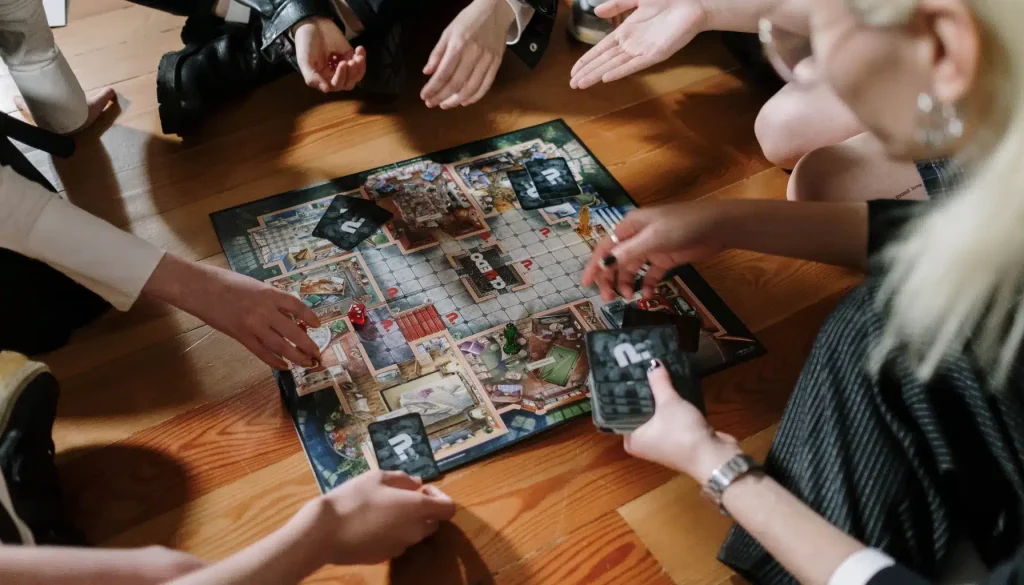
Fostering Connections Through Gameplay
Collaborative board games offer an extraordinary medium through which players from diverse backgrounds can engage, communicate, and develop vital skills. By providing an immersive experience, these games create an environment where players are not only competing against the game mechanics but also cooperating with each other to achieve common objectives. This strategic interaction is particularly beneficial in enhancing social and cognitive skills.
Communication Skills Development
One of the remarkable aspects of collaborative board games is their ability to significantly boost communication skills. Players must navigate various situations that require them to convey ideas clearly while actively listening to others. A game like “Forbidden Island” exemplifies this need for dialogue, as players work together to collect treasures while combating rising waters. Here, effective communication becomes critical, as misunderstanding instructions could lead to collective failure.
- Clarity in Expression: Each player must articulate their thoughts and strategies, fostering an environment where clear communication is necessary. This continuous practice serves as a catalyst for enhanced verbal skills, especially for individuals who may struggle with expressing themselves in traditional settings.
- Active Listening: Successful cooperation involves not only speaking but also listening carefully. Participants learn to pay attention to their teammates, recognizing the importance of different perspectives. This skill translates well beyond the game, fostering empathy in everyday relationships.
Cognitive Growth Through Gameplay
The interaction and decision-making involved in collaborative board games challenge players to think critically and creatively. Games such as “Robinson Crusoe: Adventures on the Cursed Island” require players to devise strategic plans to survive and thrive in an unpredictable environment. Such scenarios spur problem-solving skills by pushing players to think outside the box and adapt their strategies in real-time cooperation with others.
- Critical Thinking: Players are often faced with complex problems that necessitate analytical thinking. They must weigh options, foresee possible outcomes, and make decisions that will impact the entire team, thereby honing their cognitive agility.
- Resilience and Adaptability: Navigating through a game’s challenges teaches players that setbacks are part of any effort. This understanding fosters a growth mindset, encouraging players to learn from failures rather than shy away from risks. As a result, they develop resilience that can positively influence other areas of life.
The impact of collaborative board games goes beyond mere entertainment; they foster a safe space for personal growth and social experimentation. As players engage with one another, developing their social and cognitive skills in the process, they create bonds that promote a greater sense of community. This phenomenon helps build stronger, more empathetic relationships among individuals from varied backgrounds, ultimately enriching the social fabric of our communities.
The Benefits of Collaborative Board Games in Diverse Groups
Collaborative board games have gained significant attention in recent years for their unique ability to bring people together. These games not only offer entertainment but serve as potent tools for enhancing social and cognitive skills, particularly in diverse groups. By engaging individuals from various backgrounds, collaborative gameplay fosters understanding, empathy, and team-building skills.
| Category | Key Features & Characteristics |
|---|---|
| Social Interaction | Encourages teamwork and communication among players, reducing barriers created by language and culture. |
| Cognitive Development | Stimulates critical thinking, problem-solving, and strategic planning, enhancing cognitive abilities in a fun environment. |
Through collaborative gaming, players learn to adapt their communication styles, which is particularly beneficial in multicultural settings. This adaptation not only enriches their social experience but also reinforces cognitive flexibility. Each game session can teach valuable lessons about collaboration and negotiation, skills that are increasingly important in today’s interconnected world. Additionally, the history of these games shows how they have evolved to cater to diverse audiences, making them inclusive tools for social skill enhancement. With every roll of the die or shuffle of the cards, players open doors to new friendships and a deeper understanding of one another. Researchers continue to explore the depths of these interactions, making collaborative board games a fascinating study within educational and psychological fields. By using these engaging platforms, we can harness their full potential to cultivate better communication and problem-solving skills across communities.
DON’T MISS: Click here to discover fun memory-boosting puzzles
Navigating Diversity Through Play
As diverse groups come together for gaming sessions, collaborative board games serve as a unique framework for understanding and appreciating differences. The varied experiences and perspectives brought to the table enhance the game’s narrative and elevate its educational value. This phenomenon illustrates the positive effects of exposure to diversity, especially in developing social and cognitive skills.
Building Teamwork and Trust
Collaborative board games create scenarios that necessitate a high level of teamwork. Players must rely on one another to succeed, cultivating a sense of trust and interdependence. For instance, in “Pandemic,” teams work together to combat viral outbreaks across the globe. This requires players to assign roles based on each person’s strengths, thereby encouraging collaborative problem-solving and task delegation.
- Role Allocation: Each player’s strengths and weaknesses play a pivotal role in shaping the team’s strategy. By understanding individual skills, players learn to value contributions, fostering respect and cooperation among diverse team members. This dynamic serves as a foundational tool for building effective teams beyond the tabletop.
- Trust Development: Successfully completing challenges reinforces trust within the group. Players depend on each other to fulfill their roles, cultivating relationships that can translate into genuine friendships. This experience of teamwork encourages open communication and honesty, especially vital in professional environments.
Enhancing Emotional Intelligence
The emotional dynamics within collaborative board games provide rich opportunities for developing emotional intelligence. As players encounter various outcomes—victory or defeat—they experience a rollercoaster of emotions, crucial for learning how to manage feelings both individually and collectively. Games like “Mysterium,” where cooperative deduction is key, encourage players to express their insights and emotions, fostering a more profound awareness of everyone’s feelings in the group.
- Self-Awareness: Players engage in reflection, learning how their actions impact both the game and their teammates. This self-awareness extends beyond gameplay and encourages players to consider how their behavior affects social relationships in their everyday lives.
- Empathy Development: Understanding teammates’ emotions during high-stakes moments improves players’ ability to empathize. Responding to the emotional triggers of others becomes crucial, ensuring players take a moment to assess group sentiment before acting, leading to improved group cohesion.
Moreover, studies indicate that gameplay can facilitate interpersonal relationships, enhancing psychological well-being, particularly for those who face social anxieties. In the United States, where maintaining social connections is vital, the integration of collaborative board games in community centers or schools could yield significant benefits in easing social interactions among teens and children, thus strengthening their social networks.
The impact of collaborative board games continues to manifest in multiple facets of social interaction. As players come together, their engagement promotes not just individual skill enhancement but also a collective growth that can forge new pathways for communication and understanding in such a diverse society. This engaging process underscores the significance of these games in the modern social landscape, inspiring communities to re-evaluate their approach to teamwork and collaboration.
DON’T MISS: Click here to discover fun puzzles
Conclusion: The Transformative Power of Play
In an increasingly divided world, the role of collaborative board games emerges as a powerful tool for bridging cultural gaps and enhancing social and cognitive skills among diverse groups. These games foster an environment where teamwork, trust, and emotional intelligence flourish, turning playtime into profound opportunities for learning and interpersonal growth. As players engage with varied perspectives, they not only sharpen their cognitive abilities through strategic thinking and problem-solving but also enhance their empathy and emotional regulation, crucial for thriving in any community.
Furthermore, the potential of collaborative board games to facilitate social connections is particularly salient in the context of American society, where loneliness and social anxiety are on the rise. With studies illustrating the positive outcomes on mental health and relationship-building, incorporating these games into schools and community centers may serve as a remedy to strengthen social networks among children and teens. Educational institutions and youth organizations can play a pivotal role in utilizing these resources to create inclusive environments.
As we reflect on the implications of collaborative play, it is evident that these board games are more than just entertainment; they are vital instruments for fostering understanding, cooperation, and emotional resilience in diverse groups. By embracing this transformative power, communities can cultivate stronger bonds and nurture the skills necessary for effective collaboration in an ever-evolving societal landscape. The journey towards inclusivity and improved social dynamics can indeed start at the gaming table—where every turn and shared challenge lays the groundwork for a better understanding of one another.