The influence of music on memory games and its effect on cognitive performance

Understanding How Music Impacts Memory Performance
Music has long been recognized as a powerful tool in various aspects of life. Its ability to evoke emotions is widely celebrated, but its influence on cognitive performance, particularly in memory games, is a fascinating area of study. Research indicates that music can significantly enhance memory retention and retrieval. The impressive connection between auditory stimuli and cognitive tasks has captivated researchers and educators alike, leading to a deeper exploration of how music can be harnessed in educational settings and beyond.
Consider the following points:
- Types of Music: Different genres, such as classical, upbeat pop, and ambient sounds, have varying effects on cognitive processes. For instance, studies suggest that classical music, particularly compositions by Mozart or Bach, can stimulate brain activity and improve memorization. In contrast, fast-paced pop music may energize the listener but could also foster distraction in more complex memory tasks. This differentiation underscores the importance of selecting the right type of music depending on the cognitive task at hand.
- Background vs. Main Focus: Some studies suggest that background music can improve focus, while others find lyrics distractive during memory tasks. For example, instrumental music often serves as an effective backdrop for studying, as it can create a calming atmosphere that aids concentration. However, when songs with lyrics are played, the distraction can hinder memory recall, highlighting the delicate balance between enjoying music and remaining effective in cognitive tasks.
- Emotional Resonance: Music that resonates emotionally can activate neural pathways that aid memory. Research has shown that music can trigger personal memories and feelings, improving the ability to recall information associated with specific experiences. This emotional connection can make learning more enjoyable and effective, demonstrating why incorporating music into study regimens can lead to improved learning outcomes.
In the realm of cognitive enhancement, the effects of music are not merely anecdotal. Controlled experiments have demonstrated notable performance boosts in tasks related to both short-term and long-term memory when participants are exposed to music during gameplay. This raises intriguing questions about the methodologies behind memory games and how incorporating music might optimize their efficacy. For example, researchers have started to explore how integrating music into popular memory games, like “Lumosity” or “Peak,” can transform the user experience, making it both enjoyable and beneficial for brain health.
The puzzle is multilayered, inviting more exploration into how these elements intertwine. By examining the nuances of music’s influence on cognitive tasks, we unlock potential strategies for improved learning and memory retention. As we delve deeper into this topic, new insights may emerge, prompting further inquiry into the symphonic relationship between music and memory games. With continued research, educators and mental health professionals may find innovative ways to utilize music as a tool to enhance cognitive performance and well-being.
DIVE DEEPER: Click here to discover more about memory-boosting games
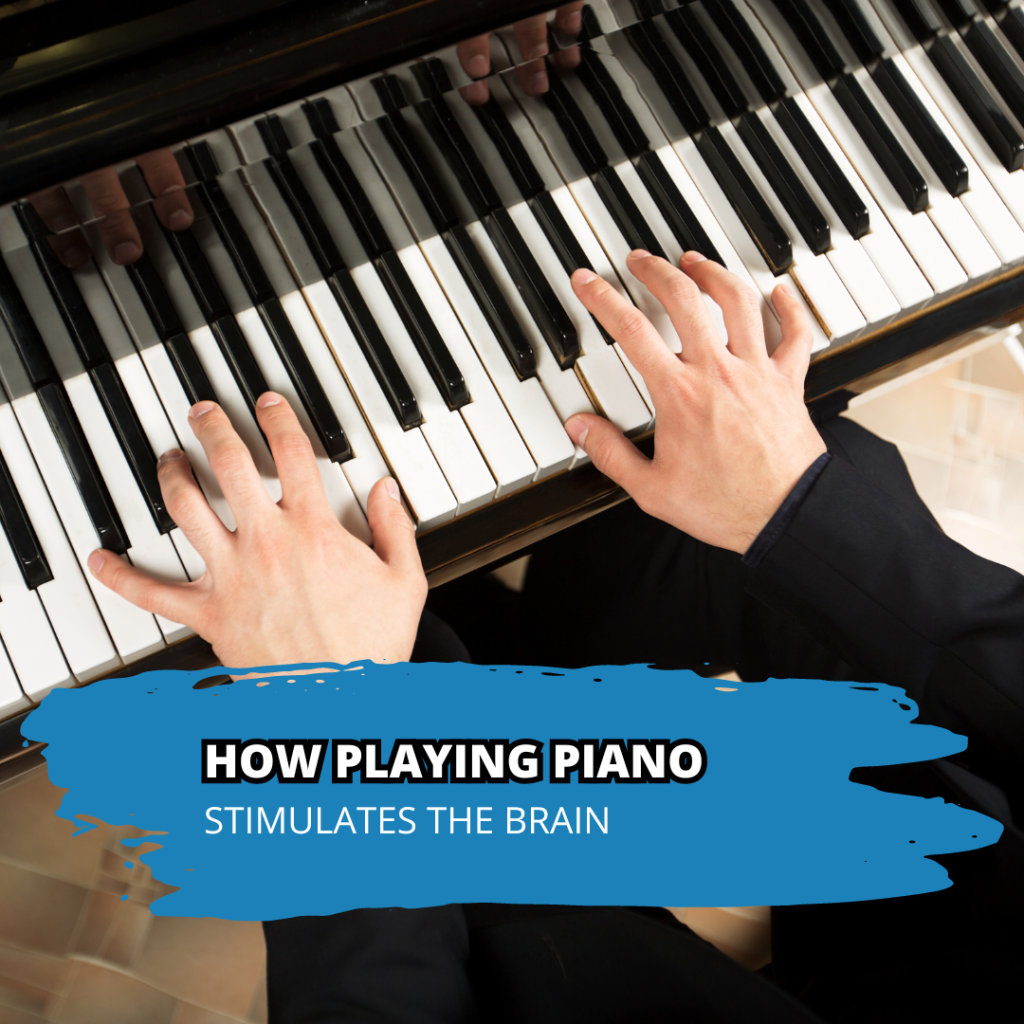
The Role of Music in Enhancing Memory Game Experiences
The exploration of music’s influence on memory games offers a captivating intersection between the auditory arts and cognitive studies. Harnessing this synergy can significantly impact how we engage with memory tasks, ultimately enhancing performance. Understanding how different aspects of music can affect memory retention and cognitive abilities sheds light on innovative approaches to learning and training.
One of the most intriguing aspects of this relationship is how tempo and rhythm in music can create an environment conducive to mental engagement. Studies suggest that music with a moderate tempo—typically ranging from 60 to 80 beats per minute—can aid in maintaining focus and improving memory recall. The steady rhythm can stimulate the brain’s auditory pathways, allowing for better processing and retention of information during memory games. This rhythmic consistency often mirrors natural cognitive processes, promoting a seamless interaction between music and memory.
- Effect on Learning Styles: Different individuals may respond uniquely to varying musical stimuli. For instance, visual learners may benefit from ambient sounds that foster concentration, while auditory learners might thrive with classical compositions that enhance memorization. Recognizing and catering to these learning preferences can maximize cognitive performance in memory games.
- Neurological Benefits: Research indicates that engaging with music activates numerous areas of the brain, such as the prefrontal cortex which plays a pivotal role in memory function. This neural activation can create robust pathways that enhance information retrieval, demonstrating how music effectively stimulates cognitive performance during memory activities.
- Memory Enhancement through Familiar Melodies: Familiar songs or tunes can evoke personal nostalgia, which in turn triggers strong memory associations. This phenomenon can be strategically utilized in various memory games, where incorporating familiar music may facilitate easier information recall, making the gameplay experience both enjoyable and educational.
Furthermore, the distinction between whether music serves as a background enhancer or a primary distractor is pivotal. While instrumental tracks may promote focus, the presence of lyrics often proves to be a contentious point in memory tasks. Playing complex memory games with music featuring lyrics can divert attention, thus inhibiting cognitive efficiency. The task at hand—whether it involves strategy, memorization, or quick reactions—necessitates careful consideration of the musical backdrop, fostering a balance between engagement and distraction.
In the light of cognitive enhancement, these elements encourage further investigation into how music can be curated to optimize memory games. With an understanding of how musical elements influence the brain, educators and developers can design memory games that strategically incorporate music to support learning outcomes, making the tasks not only more effective but also more appealing.
This ongoing inquiry into the synergies of music and cognitive performance continues to captivate researchers, paving the way for new methodologies in memory training and rehabilitation efforts. Unraveling this intricate tapestry may reveal innovative solutions that can boost our memory capabilities, creating dynamic, engaging environments for cognitive enhancement through music.
| Category | Key Features |
|---|---|
| Music Selection | Different genres, rhythms, and tempos can alter memory recall. |
| Cognitive Enhancement | Background music can promote engagement and increase concentration. |
| Mood Regulation | Music influences emotional states, optimizing the learning environment. |
| Memorization Techniques | Rhythmic patterns can serve as mnemonic devices, enhancing retention. |
The exploration of how (music influences memory games) provides vital insights into enhancing cognitive performance. By incorporating music into memory-based tasks, players may find themselves not only more engaged but also exhibiting improved recall abilities. One key element is the selection of music; genres like classical or upbeat instrumental pieces could lead to varying effects on concentration levels. Neurocognitive studies suggest that background music can elevate focus and help in retaining information, allowing listeners to associate melodies with the content being learned.Additionally, music plays a pivotal role in emotion regulation. When people feel positive or relaxed due to music, they are more likely to perform better in cognitive tasks. Moreover, certain memorization techniques, such as embedding information within a rhythmic framework, can significantly enhance memory. The synergy between music and cognitive functions further emphasizes the importance of exploring these dynamics in both educational settings and recreational activities. Such intersections not only make learning enjoyable but also pave the way for deeper cognitive benefits and unique approaches to memory challenges.
DISCOVER MORE: Click here to learn about the benefits of puzzles
Exploring the Connection Between Music, Emotion, and Memory
The relationship between music and memory extends beyond mere rhythmic patterns; it delves into the profound effects of emotional engagement and the psychological underpinnings that accompany different musical selections. It is well-documented that music has the ability to evoke emotions, and these emotional responses can further enhance memory retention and recall. When individuals experience positive emotions while engaging with memory games, their ability to process and retain information is significantly improved. This phenomenon is linked to the release of neurotransmitters such as dopamine, which plays a crucial role in memory and learning.
Furthermore, music genres can also influence cognitive performance in memory tasks. For instance, studies suggest that classical music, particularly pieces composed by Mozart, may enhance cognitive function through what is commonly referred to as the “Mozart Effect.” Some researchers argue that this effect may stem from the structured and complex nature of classical music, which can facilitate heightened concentration and aid in the assimilation of new information during memory games. On the other hand, genres like pop or heavy metal, while energizing, can cause distraction and reduce overall performance in tasks requiring deep cognitive engagement.
- Barriers to Recall: It’s crucial to consider that not all types of music contribute positively to memory games. Lyrics, for example, can become cognitive distractions, as they compete for attention and processing power. A study from the University of California found that participants performed better in memory tasks when they were exposed to instrumental music compared to lyrical content, reinforcing the notion that the right music choice can amplify cognitive efficiency.
- Cultural Context: The influence of cultural background on musical preference and its expected effects should not be overlooked. Research indicates that exposure to specific musical styles within different cultures can shape associative memory—participants are often more adept at recalling information paired with familiar cultural melodies as opposed to foreign tunes. Recognizing the cultural dimensions of music can lead to personalized memory game experiences that resonate better with diverse audiences.
- Age and Cognitive Flexibility: It’s worth noting that demographic variables, such as age, can influence how effectively music impacts memory performance. Older adults may benefit more from music that evokes nostalgia, while younger individuals might show greater responsiveness to modern genres. Consequently, understanding these generational differences allows game developers to create tailored experiences that enhance cognitive performance across a wide spectrum of users.
Exploring the collaborative efforts of music and education has prompted further inquiry into how memory games can strategically use musical elements to create a more interactive learning experience. Innovative memory games that integrate music can immerse users in an engaging sensory environment that enhances not only their retention abilities but also their enjoyment. This gamified approach to learning nurtures a greater willingness to participate in memory challenges, ultimately reinforcing the potential benefits music has on cognitive performance.
As the fields of cognitive psychology and music research continue to intersect, the implications for enhancing memory games grow more pronounced. Both educators and game developers can harness these insights to design experiences that not only entertain but also cultivate essential cognitive skills, paving the way for an enriched understanding of the brain’s capabilities when bolstered by the right musical accompaniment.
DIVE DEEPER: Click here to uncover the psychology behind solving logic games
Conclusion: The Harmonious Fusion of Music and Memory
In summary, the intricate relationship between music and memory games reveals a promising avenue for enhancing cognitive performance. As we’ve explored, music does not merely serve as a backdrop; it significantly shapes our emotional landscape, which in turn influences our ability to retain and recall information. The multifaceted effects of various music genres, from the enhancing qualities of classical compositions to the potential distractions posed by lyrical songs, highlight the necessity for selective auditory environments in memory tasks.
Moreover, understanding the role of cultural context, age, and individual preferences allows for a more tailored approach to designing memory games that resonate with diverse audiences. This awareness can encourage greater engagement, making learning not only effective but also enjoyable. The emerging insights from cognitive psychology and music research pave the way for innovative educational tools, leading us to heighten our cognitive capabilities in unprecedented ways.
As we continue to navigate the fusion of music and memory, it becomes evident that incorporating the right musical elements into memory games can foster a deeper learning experience. By embracing these principles, educators, game developers, and learners alike can unlock new potentials in cognitive development, ultimately enriching the educational experience. The future of memory games lies in their ability to harmonize our cognitive strengths with the emotive power of music, creating opportunities for more effective and engaging learning environments.