The Influence of Role-Playing Games on Creativity and Innovation in Problem Solving
The Power of Imagination in Gameplay
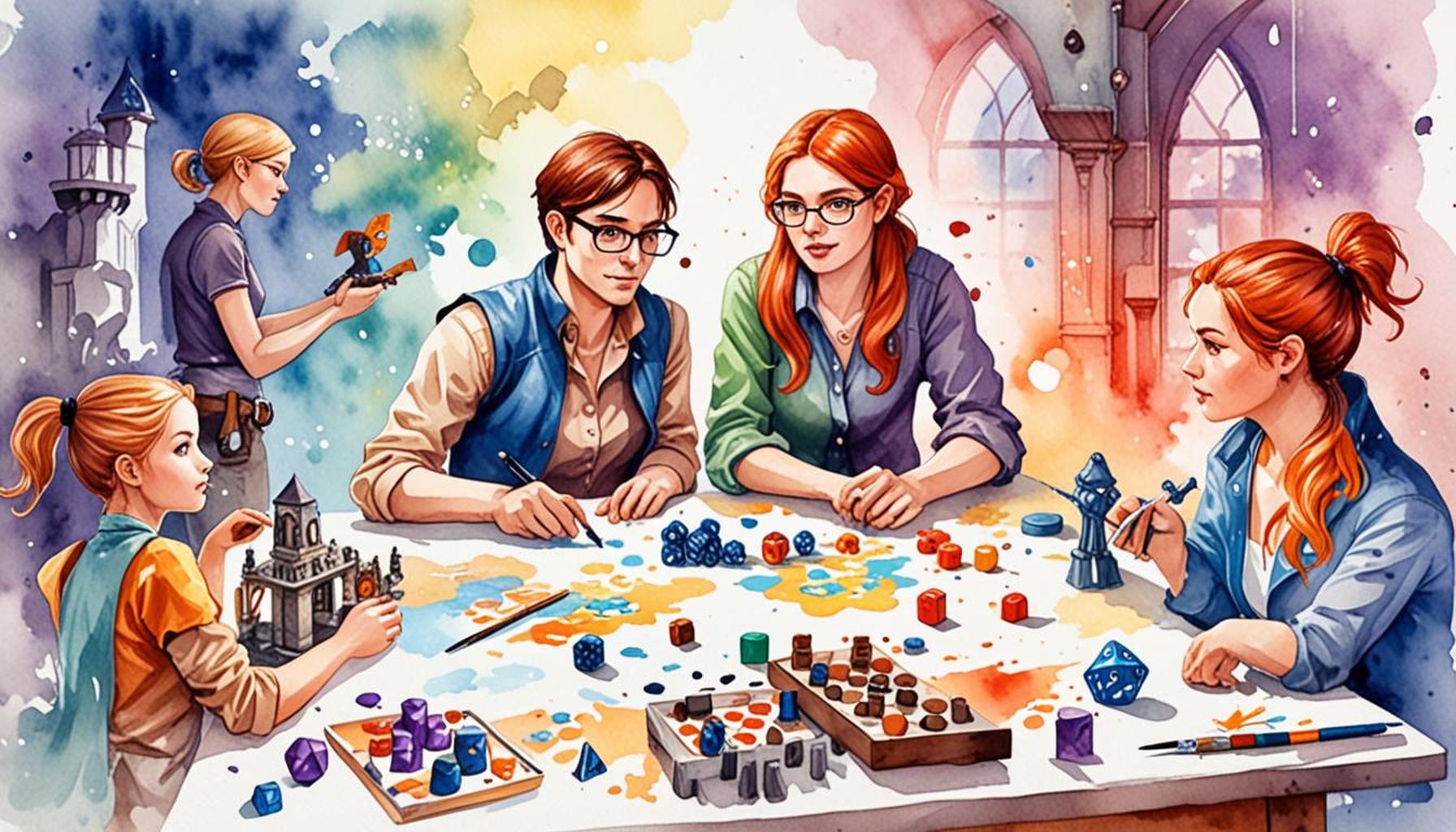
In a world where challenges often appear insurmountable, the quest for innovative solutions becomes essential. Role-playing games (RPGs) have emerged as not just a form of entertainment but as a unique tool for enhancing creativity and problem-solving skills. Players immerse themselves in imaginative scenarios, navigating complex narratives where creativity thrives. This multifaceted engagement with RPGs promotes not only personal development but also fosters collaborative engagement amongst diverse individuals.
Collaboration Enhancing Teamwork
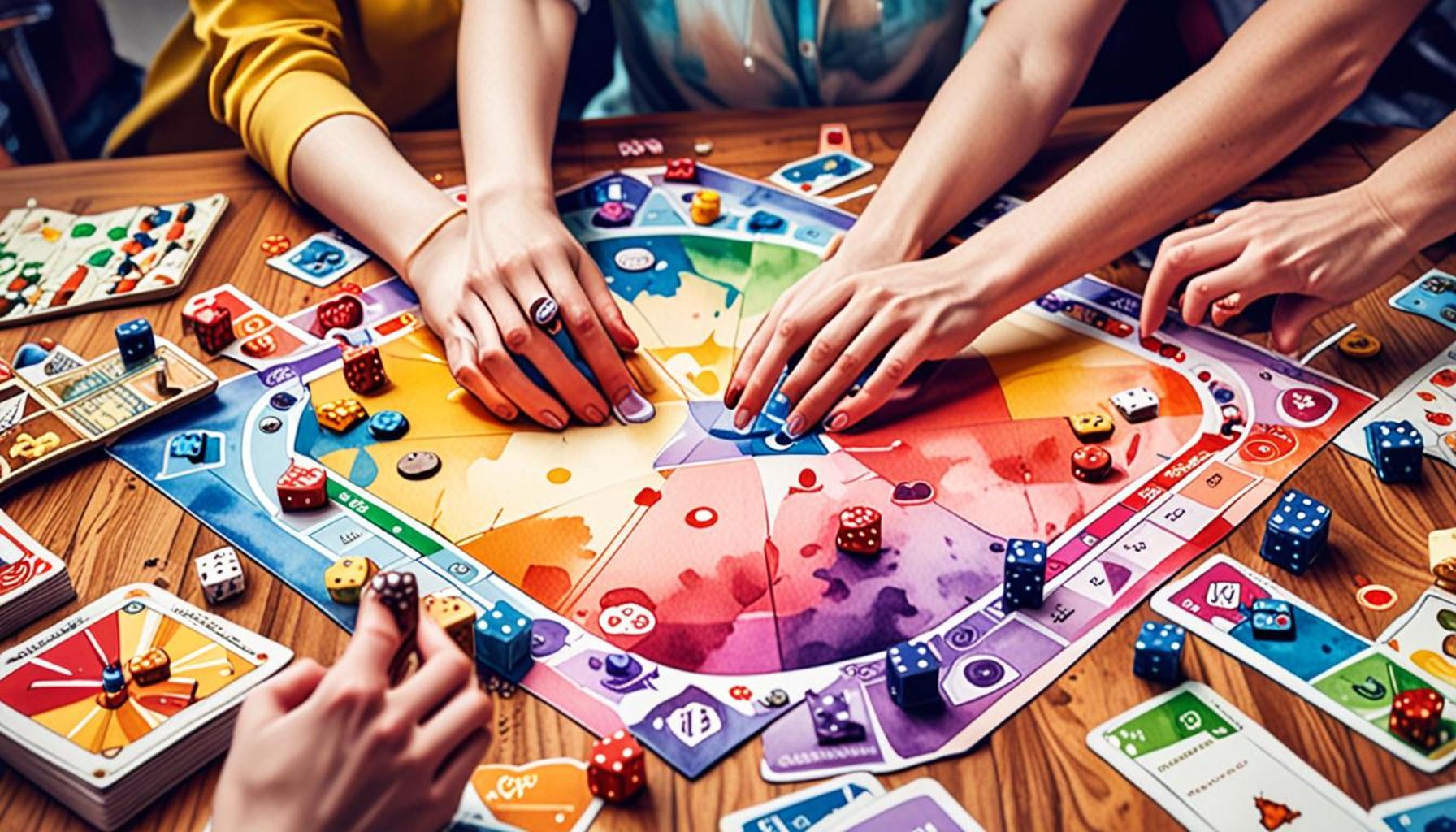
One of the standout features of RPGs is their emphasis on collaboration. Players often find themselves in groups, where they must strategize together to overcome challenges. For instance, in popular tabletop RPGs like Dungeons & Dragons, each player assumes a character role within a group, relying on their unique skills to solve quests. This cooperative environment pushes players to communicate effectively, brainstorm ideas, and utilize each member’s strengths, thereby enhancing their teamwork capabilities.
Unleashing Imagination
The aspect of imagination in RPGs is perhaps the most exhilarating. Players have the liberty to create intricate backstories for their characters, invent complex plot twists, and even dictate the outcome of narratives. This act of world-building requires them to think creatively and critically. Take, for example, the game Pathfinder, which allows for extensive customization of characters and settings. In doing so, players stretch their minds beyond conventional limits, exploring uncharted territories of thought and creativity.
Adaptability in Dynamic Environments
RPGs demand a high level of adaptability. As players navigate through unexpected plot developments or unforeseen obstacles, they learn to think on their feet and pivot quickly. This is evident in games such as Monster of the Week, where players must adapt their strategies based on the evolving scenario and interactions with non-player characters (NPCs). The skills developed in these dynamic environments are invaluable in addressing real-world challenges, such as shifting market trends or unexpected project hurdles.
Encouraging Experimentation
Additionally, RPGs offer a safe space for experimentation, where failure is not feared but embraced as part of the learning process. This informal learning environment nurtures a growth mindset, essential for tackling complex modern-day challenges. Players learn that not every decision has to be perfect; sometimes taking risks leads to the most rewarding experiences. The freedom to fail, pivot, and try again fosters resilience, a trait equally important in both gaming and life.

Research and Findings
Studies have shown that engaging with role-playing games can improve various cognitive functions. A specific study from the University of Colorado showed that students who participated in tabletop RPGs displayed increased creativity and problem-solving skills compared to their peers who did not engage in such activities. These findings highlight the incredible potential of RPGs not just as a pastime, but as educational tools. By stepping into a fantastical world, players are required to think outside the box, developing unique solutions they might never have considered in conventional settings.
Conclusion: A Gateway to Innovation
As we delve deeper into the influence of role-playing games, we’ll explore how they serve as powerful agents of change, paving the way for innovation in problem-solving. RPGs create a culture of collaboration, imagination, and adaptability that can ripple into various aspects of life. Prepare to discover how your next gaming session could ignite not just fun but true creative potential, transforming the way you approach challenges in everyday scenarios.
DIVE DEEPER: Click here to learn more
Building Skills Through Gameplay
Role-playing games (RPGs) are not merely a pathway to adventure; they represent a rich tapestry of learning opportunities that significantly contribute to creativity and innovation in problem-solving. By engaging with complex character interactions and a myriad of potential outcomes, players are often confronted with challenges that require them to think divergently and develop multifaceted skills. This process stimulates notable cognitive development that can be observed in both personal and professional arenas.
Critical Thinking and Decision-Making
At the heart of RPGs lies the need for critical thinking. Players must frequently make decisions that affect the storyline, their characters, and the success of their collective mission. For example, in a game like Cyberpunk 2020, players encounter moral dilemmas and ethical quandaries that necessitate thoughtful reflection and judicious choices. These experiences encourage players to weigh options carefully, consider the ramifications of their decisions, and adopt a solution-oriented mindset. Such cognitive exercises are essential in an era where fast-paced decision-making is often required in business and leadership roles.
Learning Through Discourse
Another fascinating aspect of RPG gameplay is the emphasis on discourse and dialogue. Players articulate thoughts, negotiate outcomes, and cultivate social skills through their interactions. This verbal exchange not only sharpens communication abilities but also fosters critical listening skills. The nuanced conversations occurring during play create an environment conducive to generating innovative ideas. This foundation enables players to collaboratively brainstorm and evaluate solutions, reminiscent of team-building workshops often held in corporate settings.
Visualizing Solutions through Role-Play
The unique nature of RPGs allows players to visualize solutions in a way that encourages imaginative thinking. As characters face obstacles, players visualize their approaches to problem-solving—be it through combat strategies, diplomacy, or creative use of resources. A notable example can be seen in the game Star Wars: Edge of the Empire, where players can utilize their environment innovatively to achieve their goals. This practice of visual problem-solving can transcend gameplay, equipping individuals with the ability to visualize outcomes within their professional landscapes.
Skills Developed through Character Creation
Character creation in RPGs serves as a profound illustration of how players can enhance their creativity and individuality. Players often explore diverse backgrounds, abilities, and traits while building their characters, allowing them to delve deep into narrative and character development. In this immersion, they learn how to express concepts of identity, empathy, and resilience—crucial traits when tackling problems. Furthermore, the process of crafting characters cultivates imaginative prowess, which can lead to innovative solutions not typically considered during conventional brainstorming sessions. The character’s journey transforms into a metaphorical representation of personal growth, resilience, and adapting to challenges.
Key Takeaways from RPGs
- Enhanced critical thinking skills through strategic decision-making.
- Improved communication abilities fostered via interpersonal dialogue.
- Visualization of innovative solutions through immersive gameplay experiences.
- Creative character development encouraging exploration of diverse traits and backgrounds.
As we continue to explore the profound influence of role-playing games, it’s essential to recognize the myriad ways they forge a path to enhanced creativity and problem-solving skills. This can lead to greater adaptability, higher cognitive engagement, and ultimately, a transformative experience both in the realm of gaming and in everyday life.
The Influence of Role-Playing Games on Creativity and Innovation in Problem Solving
Role-playing games (RPGs) offer more than just entertainment; they serve as a powerful medium for enhancing creative thinking. By immersing players in fantastic worlds and complex narratives, RPGs stimulate the imagination and encourage unconventional thinking patterns. This unique gameplay promotes a variety of cognitive skills that are essential for effective problem-solving.
When players step into the shoes of diverse characters, they are challenged to think beyond their own perspectives. This alignment with different personas fosters empathy and enhances their ability to consider multiple viewpoints, a critical aspect in collaborative environments. Studies have shown that individuals who engage in RPGs often exhibit higher levels of adaptive thinking, enabling them to devise innovative solutions to real-world challenges.
Additionally, RPGs require players to make strategic decisions under pressure. From resource management to conflict resolution, these scenarios demand quick thinking and adaptability. Such experiences translate directly into real-life situations where innovation is key. For instance, businesses often look for professionals who can navigate complex projects, and RPGs can cultivate this crucial ability through dynamic role-play and teamwork.
Moreover, the collaborative environment inherent in RPGs spurs teamwork and communication skills. Groups must work together to overcome challenges, enhancing their collective problem-solving capabilities. This collective effort nurtures not only creativity but also bonds among players, creating a safe space for sharing and growing ideas. The synergy generated during these interactions can lead to groundbreaking solutions that one individual might not have envisioned alone.
| Creative Skills | Role-Playing Benefits |
|---|---|
| Diverse Perspective Taking | Enhances empathy and understanding of others |
| Strategic Decision-Making | Fosters quick thinking and adaptability in pressure situations |
| Collaborative Creativity | Encourages teamwork and idea-sharing for innovative solutions |
In essence, the dynamics within role-playing games cultivate a rich environment for the development of critical problem-solving skills and innovative thinking. Players not only grow as individuals but also learn the valuable art of collaboration, making RPGs a unique tool for creative development in various fields.
DISCOVER MORE: Click here to learn about the impact of mind games on cognitive development
Enhancing Collaborative Problem-Solving Skills
One of the most profound elements of role-playing games (RPGs) lies in their capacity to enhance collaborative problem-solving skills. Players are often required to work as a team to overcome challenges, which naturally leads to the development of cooperative strategies that can be applied in various real-life scenarios. Games like Dungeons & Dragons present situations where different players must synergize their characters’ unique strengths to tackle common obstacles, promoting a culture of teamwork, camaraderie, and mutual support. This collaborative environment mirrors the dynamics in workplace settings where teamwork is essential for success.
Fostering Empathy Through Role-Play
RPGs also play a pivotal role in fostering empathy among players. As individuals step into the shoes of their characters, they are faced with decisions that may not align with their personal beliefs or values. This immersion promotes an understanding of different perspectives, allowing players to approach problem-solving from a more inclusive standpoint. For instance, while navigating a complex social quest within a game, players are encouraged to understand the motivations and intentions of various characters, leading to a richer pool of ideas and solutions when they face challenges both in and out of the game. This heightened emotional intelligence strengthens interpersonal relationships and improves conflict resolution skills in real-world interactions.
Incorporating Strategic Adaptability
The unpredictable nature of RPGs leads to an enhancement of strategic adaptability among players. Contingencies, twists, and unexpected plot changes often require teams to pivot their strategies in real-time. In games like Pathfinder, where players must constantly adapt to shifting game masters’ narratives, they learn to assess the evolving dynamics of a situation. This adaptive mindset translates seamlessly into professional life, where flexibility and the ability to think on one’s feet are prized attributes. This capacity to pivot creatively when confronted with unforeseen challenges can drive innovation in various fields, from technology to healthcare.
Building Resilience Through Failure
Failure is an inherent part of RPGs, and it serves as a powerful teacher. Players often encounter defeats that require them to reassess their strategies and learn from their mistakes, thereby instilling a sense of resilience. A quintessential example is the game Dark Souls, known for its high level of difficulty, where players repeatedly fail before potently overcoming obstacles. This iterative cycle of trial and error cultivates a growth mindset, where individuals learn to persist through challenges, apply learnings, and innovate solutions in a constructive manner. The ability to embrace failure as a stepping stone rather than a setback is a vital skill for problem-solving in any domain.
Skills Developed in a Safe Environment
RPGs provide a unique advantage by offering a safe environment for players to experiment with new ideas and approaches without the fear of real-world consequences. This sandbox-style gameplay encourages risk-taking and the exploration of unorthodox solutions, whether it involves devising innovative strategies in combat or employing unexpected negotiation tactics with non-player characters. Such freedom can inspire players to think outside conventional frameworks, ultimately leading to breakthrough ideas that can be incredibly valuable in their professional lives. This nurturing of creativity via risk-free experimentation is pivotal for anyone seeking to enhance their problem-solving repertoire.
Key Takeaways on Collaborative Problem-Solving
- Enhanced collaborative skills developed through teamwork and collective strategy-building.
- Greater empathy, leading to more inclusive problem-solving approaches.
- Strategic adaptability to navigate unexpected challenges effectively.
- Resilience built through the iterative process of learning from failures.
- A safe environment that encourages risk-taking and creative experimentation.
As we continue to examine the myriad benefits of RPGs, it becomes evident that their influence on creativity and innovation in problem-solving is profound and multifaceted. Through collaborative experiences, players emerge not only as better problem solvers but also as adaptable thinkers and empathetic leaders equipped for the complexities of modern challenges.
DISCOVER MORE: Click here to dive deeper
Conclusion: Unleashing Creativity and Innovation Through RPGs
As we explore the profound influence of role-playing games (RPGs) on creativity and innovation in problem-solving, it is clear that these games extend far beyond mere entertainment. They serve as powerful platforms for enhancing teamwork, fostering empathy, promoting adaptability, building resilience, and creating safe spaces for experimentation. The interactive nature of RPGs allows players to navigate complex challenges in imaginative ways, unlocking a treasure trove of creative solutions that can be applied to real-life scenarios.
Moreover, the lessons learned within these game environments translate seamlessly into various professions, equipping individuals with the skills necessary to thrive in collaborative and dynamic settings. As more organizations recognize the value of such innovative approaches to team building and problem-solving, we may see an increased integration of RPG-inspired methodologies in corporate training, education, and beyond.
In conclusion, the rich tapestry of experiences offered by RPGs not only nurtures creativity and innovation but also cultivates skills that are vital in today’s ever-evolving world. By encouraging players to embrace diverse perspectives, rethink failure, and adapt fluidly to new situations, RPGs provide a robust framework for developing effective problem solvers. This unique combination of fun and learning ensures that role-playing games will continue to inspire and equip future generations to tackle the complexities of modern challenges with imagination and confidence.