The Psychology Behind Brain Teasers: Why Do We Love Solving Puzzles?
The Fascination Behind Puzzling Challenges
Every day, millions of people immerse themselves in brain teasers, seeking the thrill that comes from solving complex puzzles. The engaging nature of these challenges not only entertains but also sparks curiosity about the human mind. What drives our passion for these mental exercises? Understanding the underlying psychology and neuroscience can unveil fascinating insights into our attraction to these mental challenges.
At the heart of this fascination lies a blend of psychology and neuroscience. One of the most significant aspects is the way puzzles capture our attention and focus. When faced with a problem, the brain enters a state of heightened alertness, activating pathways that enhance cognitive function. The following key factors explain why we are drawn to brain teasers:
- Cognitive Challenge: Puzzles stimulate our brains, promoting critical thinking and problem-solving skills. Engaging with a complex Sudoku puzzle or a tricky logic grid activates the prefrontal cortex, the brain region associated with complex decision-making. This cognitive workout not only sharpens our minds but can also contribute to long-term brain health.
- Reward Mechanism: Successfully solving a puzzle releases dopamine, the feel-good neurotransmitter, reinforcing the desire to tackle more challenges. This dopamine release can create a rewarding cycle, where the pleasure derived from solving one puzzle drives the urge to solve another. It’s akin to the rush experienced when actively engaging in a favorite sport or hobby, making brain teasers a source of both amusement and empowerment.
- Social Interaction: Sharing brain teasers with friends or family enhances social bonds, making the experience more enjoyable. In the digital age, platforms and apps have fostered communities where individuals can share and solve puzzles together. This not only promotes collaboration but also adds a social element that can make brain teasers a fun group activity, such as during family gatherings or game nights.
Moreover, brain teasers come in various forms, appealing to diverse interests and skill levels. Consider these popular types that have captivated a wide audience:
- Logical puzzles: Such as Sudoku, which requires number placement based on logical deduction, or classic logic grid puzzles where scenarios must be analyzed to find the correct connections.
- Riddles: Often containing clever wordplay, riddles challenge our linguistic skills, prompting us to think laterally. Famous examples include: “What has keys but can’t open locks? A piano.” These serve not just as entertainment but also as tools for improving language and reasoning skills.
- Mathematical challenges: Engaging in equations or number puzzles, like cross-number puzzles, helps develop numerical fluency and enhance mathematical intuition. This type of brain teaser can be particularly appealing to those with analytical minds and can often be found in math-themed contests and competitions.
The blend of cognitive challenge, reward, and socialization is what makes brain teasers an irresistible part of our lives. In exploring the psychology behind our love for solving puzzles, we unlock a deeper understanding of our cognitive functions and emotional gratification. Engaging with brain teasers is not just an activity; it is a pathway to enhancing our mental faculties while enjoying the thrill of discovery. So next time you find yourself stumped by a riddle or lost in a complex puzzle, remember that you are partaking in a deeply rooted human activity that celebrates intellect, creativity, and connection.
DIVE DEEPER: Click here to enhance your logical reasoning skills
The Psychological Appeal of Puzzle Solving
At its core, our fascination with brain teasers can be attributed to the innate human drive for problem-solving. Puzzles serve as mental exercises that not only entertain but also engage various cognitive processes. When we encounter a brain teaser, our brains instinctively seek solutions, activating neural pathways that enhance learning and memory. This phenomenon is influenced by several psychological principles that shed light on why we are captivated by puzzle-solving.
One important concept is the flow state, coined by psychologist Mihaly Csikszentmihalyi. Flow is achieved when a person is fully immersed in an activity, experiencing a perfect balance between challenge and skill. Brain teasers fit this mold effortlessly; they provide a level of difficulty that prompts us to concentrate and think critically, while still being attainable. When we solve a puzzle, we experience a sense of accomplishment and satisfaction, amplifying this flow state and keeping us coming back for more.
Another psychological aspect at play is the novelty effect. Humans are naturally curious creatures, and puzzles frequently introduce fresh concepts, unexpected twists, and unique structures. Engaging with new and intriguing puzzles satisfies our brain’s craving for novelty, stimulating dopamine release that enhances pleasure and motivation. This is why we often find ourselves exploring various brain teasers, from visual riddles to mathematical conundrums, as each offers a new challenge to tackle.
The communal aspect of solving puzzles cannot be overlooked either. A significant driver of our puzzle obsession stems from the social dimension of these challenges. Solving puzzles is often a group effort—whether it’s a family gathering, a friendly competition, or collaborative online platforms where users exchange challenges. This shared experience fosters a sense of connection, as individuals bond over their collective successes and failures. The social interaction inherent in puzzle-solving allows us to not only test our mental agility but also strengthen relationships with others.
- Brain Teaser Types: Different types of brain teasers cater to diverse preferences and skills. This variety ensures that there is something for everyone, including:
- Logic puzzles: Puzzles such as Sudoku and logic grids challenge our deductive reasoning.
- Wordplay puzzles: Riddles and crosswords stimulate our linguistic ability and spark our creativity.
- Mathematical challenges: Number puzzles and equations improve our numerical skills while offering exciting problem-solving opportunities.
Understanding the psychology behind our love for brain teasers reveals that these activities are much more than mere entertainment; they are integral to our emotional and social development. Solving puzzles stimulates our cognitive faculties, satisfies our desire for accomplishment, promotes social interaction, and leads to a more fulfilled engagement with the world around us. Next time you engage with a brain teaser, recognize it as a combination of mental exercise, social bonding, and a profound expression of the human experience.
In our quest to understand “The Psychology Behind Brain Teasers: Why Do We Love Solving Puzzles?”, it is essential to explore the cognitive and emotional factors that drive us towards these intriguing challenges. Engaging with brain teasers and puzzles involves a complex interplay of elements that span from cognitive development to sheer enjoyment.One reason people are drawn to brain teasers is the way they stimulate our cognitive functions. Solving puzzles engages critical thinking, enhances problem-solving skills, and improves memory. The act of twisting and turning our brains around a challenge releases dopamine, a neurotransmitter linked to pleasure and reward, creating a sense of satisfaction upon arriving at the solution. This biochemical response can motivate individuals to seek out more puzzles, creating a positive feedback loop.Moreover, brain teasers offer a unique way to escape reality. They provide a cognitive challenge that temporarily diverts attention from daily stressors. During the pursuit of an answer, individuals can experience a flow state, a psychological concept where one loses self-consciousness and is fully immersed in the task at hand. This immersion not only strengthens focus but also allows for a break from the noise of everyday life.Additionally, many people find social interaction in solving puzzles appealing. Whether through trivia nights, online forums, or collaborative problem-solving, brain teasers often become a communal experience. Individuals bond over shared challenges, exchanging strategies and celebrating victories together. This social aspect can be integral for fostering relationships and enhancing a sense of belonging.The allure of brain teasers also stems from their inherent nature of challenging our intelligence and creativity. The satisfaction gained from unraveling complex problems boosts self-esteem and contributes to a sense of achievement. Furthermore, the variety of puzzles—from riddles to logic games—ensures there is something for everyone, catering to diverse interests and levels of expertise.As we delve deeper into the multifaceted world of puzzles, it becomes clear that our attraction to them is not merely a hobby but a reflection of our intrinsic desire for growth, connection, and joy. Brain teasers represent a bridge between mental exercise and entertainment, making them a pervasive element in our lives. With each solution, we stretch the boundaries of our intellect while enjoying the process, revealing the profound psychological implications behind our fascination with these delightful enigmas.
DISCOVER MORE: Click here to enhance your skills
The Neuroscience of Puzzle Engagement
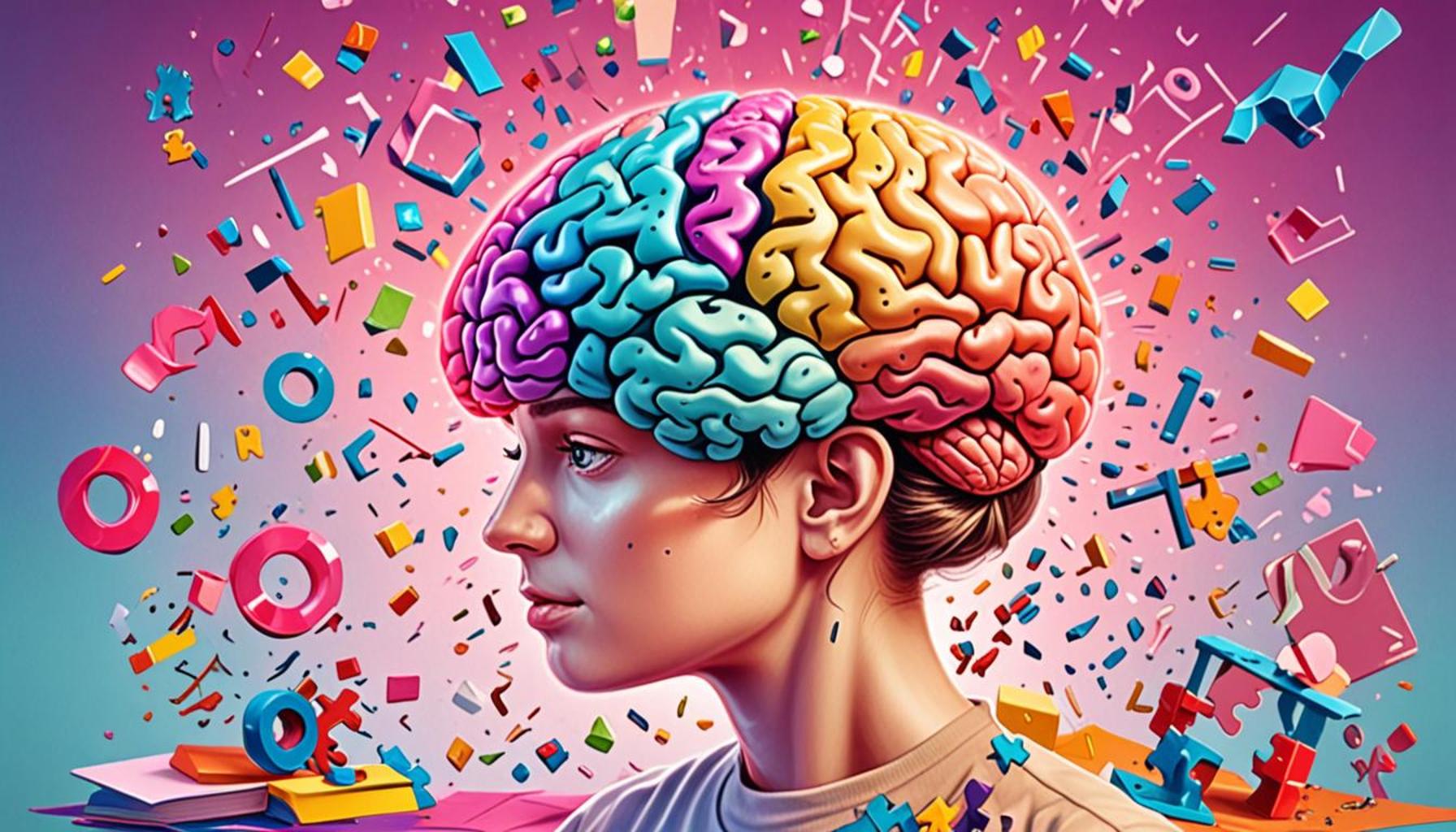
Diving deeper into the psychological allure of brain teasers, we encounter a fascinating intersection with neuroscience. When we engage with puzzles, our brains undergo a complex series of changes that enhance cognitive function and emotional well-being. One key player in this process is the prefrontal cortex, the area responsible for decision-making, problem-solving, and complex thought. As we grapple with a challenging brain teaser, this region lights up, signaling our brain’s electrical activity. This not only aids in developing our analytical skills but also boosts our mental resilience.
Moreover, puzzles stimulate the release of neurotransmitters such as dopamine, which is often referred to as the “feel-good” hormone. When we successfully solve a puzzle, this neurotransmitter surges through our systems, creating feelings of joy and satisfaction. This biochemical reward reinforces our behavior, prompting us to seek out more puzzles in a quest for that delightful rush of accomplishment. A study from the University of Rochester even highlights that challenging cognitive tasks can lead to long-term boosts in dopamine levels, leading to sustained positive moods and increased motivation over time.
Cognitive Benefits of Regular Puzzle Solving
The cognitive benefits derived from regularly engaging in brain teasers go beyond mere enjoyment. Research has shown that consistent interaction with cognitive challenges can enhance working memory and improve overall mental agility. For instance, tasks such as crossword puzzles not only enrich vocabulary but also engage memory and recall processes, sharpening our mental faculties as we age. A longitudinal study published in the journal *Neurology* demonstrated that older adults who regularly participated in cognitive activities, including puzzles, experienced slower rates of cognitive decline compared to their less-engaged peers.
Furthermore, specific types of brain teasers can hone different cognitive skills. For example, spatial puzzles like jigsaw pieces improve visual-spatial reasoning, beneficial in fields such as engineering and architecture. Likewise, logic puzzles sharpen deductive reasoning, crucial for fields such as programming and accounting. With the right mix of puzzles, individuals can tailor their mental workouts to meet their preferences and career demands.
The Role of Puzzles in Stress Relief
Interestingly, the act of solving puzzles has also been associated with stress reduction. Engaging with a brain teaser requires full attention, which can act as a form of mindfulness. By concentrating solely on the task at hand, individuals can momentarily escape from daily stressors and anxieties. This mental detachment, even for a brief period, allows for rejuvenation and the restoration of mental clarity. Studies at the University of Cambridge have indicated that participants who regularly engage in puzzles report lower levels of anxiety and improved mood stability.
Additionally, puzzles can serve as coping mechanisms during challenging times. In our fast-paced society, where the pressure can often feel overwhelming, turning to brain teasers offers a healthy distraction. Whether it’s working through a Sudoku on the subway or solving riddles during downtime, these moments become a source of relaxation amid life’s chaos.
Thus, the reasons behind our love for solving puzzles encompass not just the thrills of the challenge but also profound cognitive, emotional, and social benefits. The intricate relationship between brain teasers and our psyche invites individuals to explore which puzzles resonate with them the most while reaping countless advantages in their mental journey.
DISCOVER MORE: Click here to learn about the impact of brain teasers
Conclusion: Unraveling the Puzzle of Our Affection for Brain Teasers
In summary, the compelling allure of brain teasers lies at the intersection of psychology and neuroscience. As we engage with these mental challenges, we not only stimulate crucial areas of our brain, such as the prefrontal cortex, but also experience a delightful surge of dopamine that reinforces our desire to solve even more. Beyond mere enjoyment, regular interaction with puzzles fosters significant cognitive enhancements, ranging from improved working memory to sharper problem-solving skills. These benefits are especially relevant as we navigate our increasingly complex lives, making brain teasers an appealing choice for mental exercise.
Moreover, the act of solving puzzles serves as a powerful antidote to daily stresses. When immersed in a brain teaser, we practice mindfulness, allowing us to detach momentarily from our worries and rediscover a sense of relaxation. This serves as a reminder of the vital role that leisure activities play in maintaining our mental health and overall well-being.
As we continue to explore the intriguing world of puzzles, consider how they can fit into your own life. Whether it’s through crossword puzzles, Sudoku, or logic games, each challenge presents an opportunity for cognitive growth and emotional upliftment. Delve deeper into the psychology behind your favorite brain teasers, and you may uncover a treasure trove of personal insights, strategies for resilience, and avenues for joy that enrich your daily experience. Ultimately, embracing brain teasers is not just about the challenge; it’s about cultivating a vibrant mind in a chaotic world.