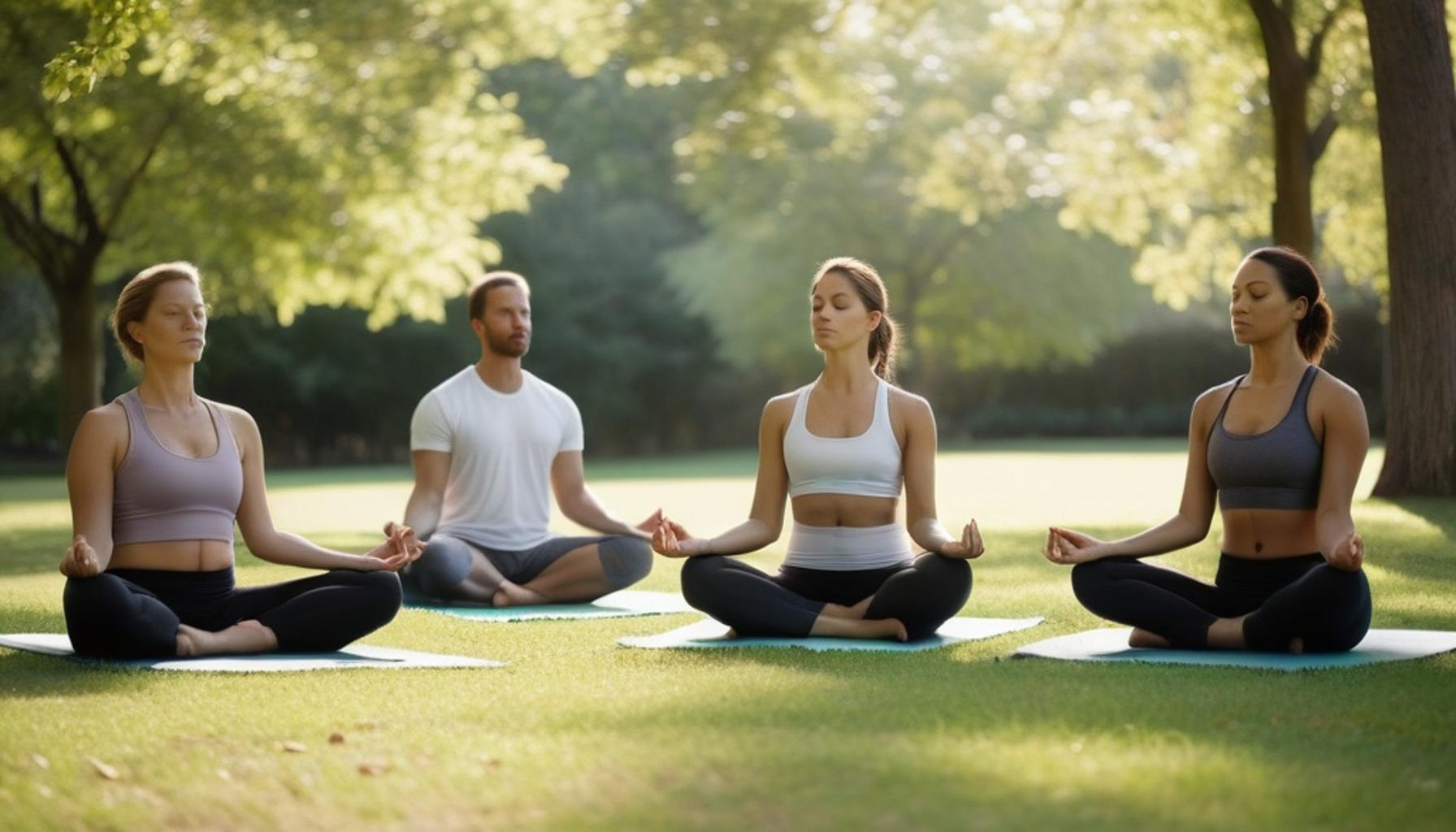
The Importance of Meditation in Promoting Mental Well-Being
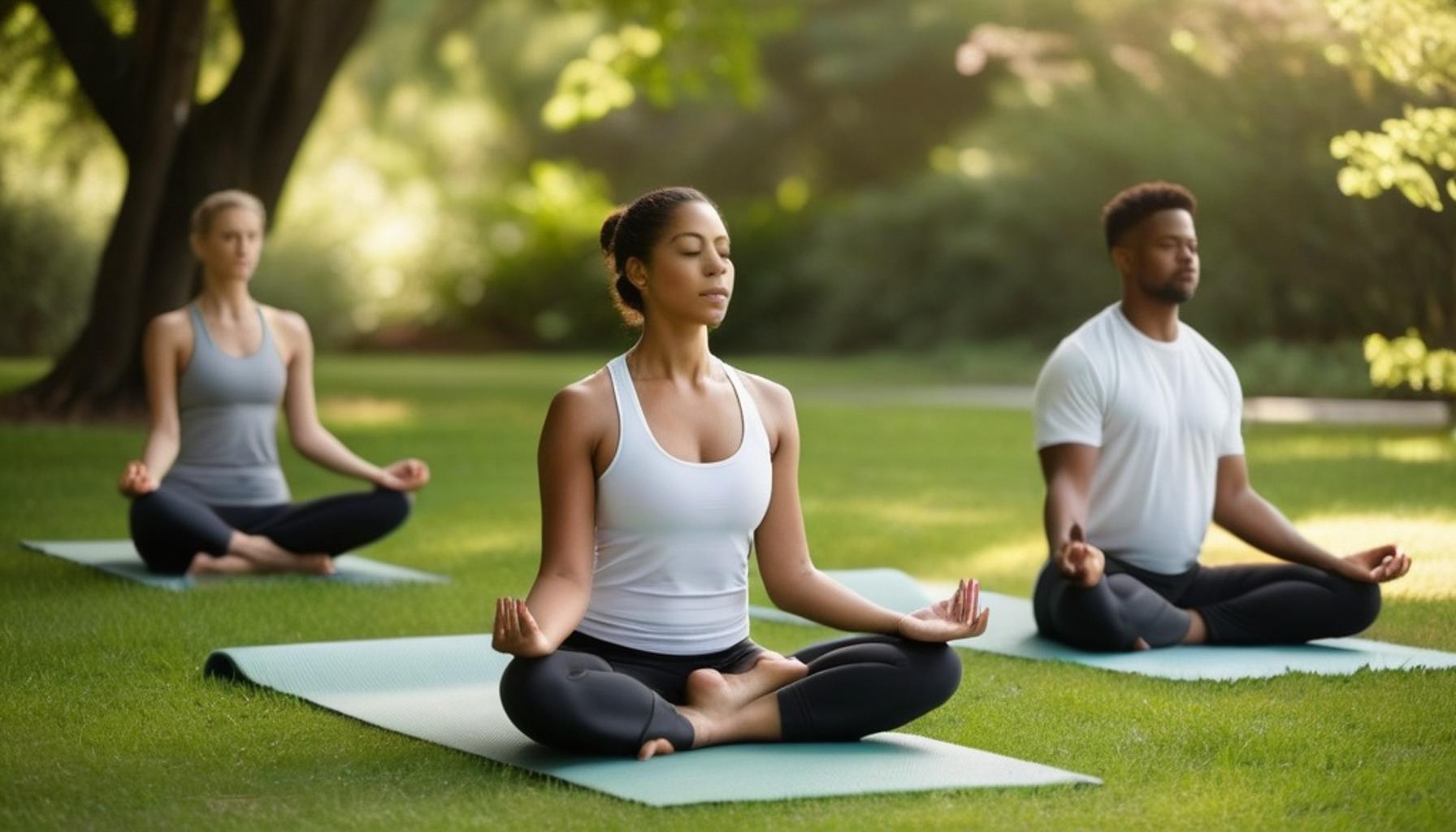
A Quiet Revolution in Mental Health
Millions of Americans are turning inward to find relief from the pressures of modern life. From bustling New York offices to quiet Midwest suburbs, meditation and mental well-being have become a national conversation. What was once whispered about in yoga studios is now discussed openly in corporate break rooms, therapy sessions, and even family dinner tables across the country.
According to the National Institutes of Health, meditation practice among U.S. adults more than tripled between 2012 and 2022. This surge reflects a growing recognition of the benefits of meditation for coping with stress, anxiety, and burnout. Interestingly, this rise coincides with a period marked by economic uncertainty, a global pandemic, and increasing rates of reported anxiety among adults of all ages, suggesting that people are actively seeking tools to regain a sense of control over their inner lives.
Why This Practice Deserves Attention
Meditation is no longer viewed as a niche spiritual activity. It has become a scientifically backed tool for mental health improvement, embraced by therapists, schools, and even Fortune 500 companies. Major corporations like Google and Apple have introduced mindfulness rooms and meditation apps as part of employee wellness programs, signaling a broader cultural shift in how Americans approach stress management.
- Reduced anxiety and racing thoughts
- Improved focus and emotional regulation
- Better sleep quality and lower stress hormone levels
- Greater resilience during difficult life transitions
Curious how something as simple as sitting quietly can produce such results? Research increasingly explains how meditation helps anxiety by calming overactive brain regions linked to fear and worry. Brain imaging studies have shown that consistent meditation practice can shrink the amygdala, the brain’s alarm system, while strengthening areas responsible for rational thought and emotional balance. This physiological shift may explain why so many practitioners report feeling calmer within just a few weeks of regular practice.
What This Article Will Explore
This piece dives into the science behind mindfulness and stress relief, along with practical guidance for getting started. Readers will also discover simple meditation techniques for beginners that fit into even the busiest American lifestyles, whether that means a five-minute breathing exercise before a morning commute or a guided session during a lunch break.
Whether you’re skeptical or simply curious, the evidence suggests meditation offers more than temporary calm. It may be one of the most accessible paths toward lasting mental clarity and emotional balance, requiring no special equipment, no gym membership, and no significant financial investment to begin experiencing its potential benefits.
LEARN MORE: The Importance of Mindfulness in Promoting Mental Well-Being
# The Science Behind the StillnessSkeptics often ask a fair question: can something as simple as sitting still and breathing actually change your brain? The answer, according to a growing body of research, is a resounding yes. Neuroscientists at Harvard Medical School found that participants who practiced mindfulness meditation for just eight weeks showed measurable changes in brain regions associated with memory, sense of self, and stress regulation.This isn’t fringe science anymore. The connection between meditation and mental well-being has been studied extensively by institutions ranging from Johns Hopkins to the Mayo Clinic, with consistent findings pointing toward tangible psychological benefits. What was once dismissed as a niche wellness trend practiced only in yoga studios on the coasts has become a legitimate subject of clinical inquiry, with peer-reviewed journals publishing new findings almost every month.
What Happens Inside the Brain
When stress hits, the amygdala—often called the brain’s fear center—goes into overdrive. This triggers the familiar fight-or-flight response: racing heart, shallow breathing, and spiraling thoughts. Regular meditation practice appears to interrupt this cycle at a biological level, essentially retraining the brain to respond rather than react.
A 2018 study published in the journal Psychiatry Research found that participants who meditated consistently for two months showed a measurable decrease in amygdala volume. Meanwhile, the prefrontal cortex, responsible for decision-making and emotional control, showed increased activity. This is one of the clearest examples of how meditation helps anxiety on a physiological, not just psychological, level. In other words, the brain doesn’t just feel calmer after meditation—it physically restructures itself over time.
Beyond brain structure, meditation also influences the body’s stress chemistry in ways that ripple through nearly every organ system. Researchers have documented several measurable effects among regular practitioners:
- Lower cortisol levels, the primary stress hormone linked to inflammation and weight gain
- Reduced blood pressure, particularly in individuals with chronic stress
- Increased production of GABA, a neurotransmitter that promotes calmness
- Improved heart rate variability, a key marker of resilience under pressure
These aren’t isolated findings from a single lab, either. Similar results have emerged from research conducted at UCLA, Massachusetts General Hospital, and the University of Wisconsin-Madison, lending weight to the idea that meditation’s effects are reproducible rather than coincidental.
A Tool Backed by Real Numbers
The data supporting mental health improvement through meditation isn’t just anecdotal. A meta-analysis published in JAMA Internal Medicine reviewed nearly 19,000 studies and concluded that mindfulness meditation programs showed moderate evidence of improving anxiety, depression, and pain—comparable in some cases to the effects of antidepressant medication, though without the side effects. For a population increasingly wary of pharmaceutical dependency, that distinction matters.
This growing evidence base helps explain why mindfulness and stress relief programs are now standard offerings in many U.S. hospitals, universities, and even prisons. The Cleveland Clinic, for example, incorporates mindfulness-based stress reduction into treatment plans for chronic pain and anxiety disorders, reflecting a broader medical acceptance of what was once considered alternative practice. Major employers, including tech companies in Silicon Valley and financial firms on Wall Street, have also begun offering meditation apps and quiet rooms as part of employee wellness packages, signaling that this shift extends well beyond the medical field.
YOU MAY ALSO LIKE: Mindfulness Strategies to Reduce Stress and Improve Quality of Life
From Lab Findings to Everyday Life
Understanding the neuroscience is one thing, but translating it into a daily habit is where most people get stuck. The good news is that meditation techniques for beginners require far less time and equipment than most assume. Researchers at the University of Massachusetts Medical School, home of the original Mindfulness-Based Stress Reduction (MBSR) program, found that even ten minutes a day produced noticeable improvements in mood and focus within three weeks. That timeline matters because it tells skeptics something important: this isn’t a lifestyle overhaul requiring months of dedication before results appear.
That accessibility is part of why meditation has moved so quickly from niche practice to mainstream health tool. You don’t need a silent retreat in the mountains of Colorado or a $200 cushion to start seeing results. A kitchen chair, a closed door, and a few uninterrupted minutes are often enough. This democratization of the practice is precisely why insurers, employers, and even the U.S. military have started paying attention.
Practical Entry Points
For someone new to the practice, the sheer number of available styles can feel overwhelming. Clinicians generally recommend starting with one of these approachable methods:
- Body scan meditation, which involves mentally sweeping attention from head to toe to release tension
- Breath-focused meditation, the simplest entry point, often used in hospital settings for pain management
- Loving-kindness meditation, shown in a Stanford study to increase feelings of social connection
- Guided app-based sessions, such as those offered by Headspace or Calm, both of which partner with U.S. universities on ongoing research
What’s notable is that consistency seems to matter more than duration. A study out of Carnegie Mellon University found that brief but daily sessions outperformed longer, sporadic ones when measuring reductions in perceived stress. This finding alone reshapes how most beginners should think about the practice: five focused minutes every morning may do more than an occasional hour-long session squeezed in once a month.
Many instructors also suggest pairing meditation with an existing habit, like brewing morning coffee or waiting for a commute to begin, since habit-stacking tends to improve adherence. Small, low-friction routines are often the difference between a practice that sticks and one that quietly disappears after a few weeks.
Real-World Applications Across America
The military offers one of the more surprising examples of meditation’s reach. The U.S. Department of Defense has funded research into Mindfulness-Based Mind Fitness Training for active-duty soldiers, with early results suggesting improved attention and reduced symptoms of post-traumatic stress. If a population trained for high-stakes combat scenarios can benefit from stillness practices, the implications for everyday civilian stress seem hard to dismiss.
Public schools have taken notice as well. Districts in cities like San Francisco and Baltimore have piloted classroom meditation programs, with some reporting fewer disciplinary incidents and improved attendance. Teachers in these programs describe calmer transitions between subjects and fewer outbursts during high-pressure testing periods, suggesting the benefits extend beyond the individual student to the classroom environment as a whole.
This growing footprint across the military, education, and healthcare sectors reinforces the broader case for meditation and mental well-being as a public health strategy rather than a personal indulgence. Corporate America has followed suit, with companies ranging from Google to Aetna offering in-house mindfulness sessions, partly as a response to rising burnout rates among employees.
The benefits of meditation extend into physical recovery too. Cardiac rehabilitation centers, including programs affiliated with Duke University Health System, now incorporate guided meditation to help patients manage recovery-related anxiety, illustrating just how far this practice has traveled from its original meditative roots. What began centuries ago as a spiritual discipline has, remarkably, found a permanent seat in modern American medicine, classrooms, and even combat readiness programs.
RECOMMENDED: How Physical Exercise Contributes to Mental Health and Emotional Balance
A Practice Worth Its Growing Reputation
The evidence gathered across university labs, military programs, and public school classrooms points to a single conclusion: meditation and mental well-being are linked in ways science is only beginning to fully map. What started as an ancient contemplative practice has become a subject of rigorous study at institutions like Harvard, Stanford, and Carnegie Mellon, each contributing data that moves the conversation beyond anecdote and into measurable outcomes.
The picture that emerges is refreshingly practical. Mental health improvement doesn’t necessarily require expensive therapy alone or years of trial and error with medication. For many, it starts with a few quiet minutes and a willingness to sit still. Understanding how meditation helps anxiety through documented changes in amygdala activity gives skeptics a reason to reconsider dismissing the practice as vague self-help advice.
Perhaps the most compelling takeaway is accessibility. Mindfulness and stress relief are no longer confined to wellness retreats or specialty clinics. They’ve entered classrooms in Baltimore, combat training programs within the Department of Defense, and corporate offices at companies like Google. That range of adoption suggests something beyond a passing trend.
Still, meditation isn’t a cure-all. Researchers caution against viewing it as a replacement for clinical treatment when conditions are severe. Instead, it functions best as one tool among several, complementing therapy, medication, or lifestyle changes rather than substituting for them entirely.
For readers considering where to begin, the path forward doesn’t require perfection. Starting small, staying consistent, and tracking personal changes over a few weeks offers a low-risk way to test the practice firsthand. Given the mounting research from American universities and healthcare systems alike, the real question may no longer be whether meditation works, but how each individual chooses to make it part of daily life.
Frequently Asked Questions
How does meditation improve mental well-being?
Meditation and mental well-being are closely linked because regular practice reduces activity in the brain’s stress response centers, particularly the amygdala. This leads to lower cortisol levels, improved emotional regulation, and a greater sense of calm. Over time, meditation also strengthens areas of the brain associated with focus and self-awareness, further supporting overall mental health.
How many minutes a day should I meditate to see mental health benefits?
Research suggests that even 10 to 15 minutes of daily meditation can produce noticeable improvements in mood and stress levels within a few weeks. Beginners often start with 5-minute sessions and gradually increase the duration as consistency builds. What matters most for mental well-being is regularity rather than length, so a short daily habit outperforms occasional longer sessions.
Can meditation help with anxiety and depression symptoms?
Yes, numerous clinical studies show that mindfulness-based meditation can significantly reduce symptoms of anxiety and depression, sometimes as effectively as certain therapeutic approaches. It works by helping individuals observe negative thought patterns without becoming overwhelmed by them, which reduces rumination. However, meditation should complement, not replace, professional treatment for diagnosed mental health conditions.
What type of meditation is best for beginners seeking mental well-being?
Mindfulness meditation and guided breathing exercises are typically the easiest starting points for beginners in the United States, as they require no special training and can be practiced anywhere. Apps like Headspace or Calm offer structured programs that make learning accessible. Body scan meditation is another beginner-friendly option that helps build awareness of physical tension linked to stress.

Linda Carter
Linda Carter is a writer specializing in healthy habits and balanced living. With extensive experience helping readers build sustainable routines, she shares practical guidance on nutrition, physical activity, quality sleep, stress management, and emotional well-being. Her goal is to offer simple, accessible strategies that inspire people to care for their health and enjoy a more balanced life.