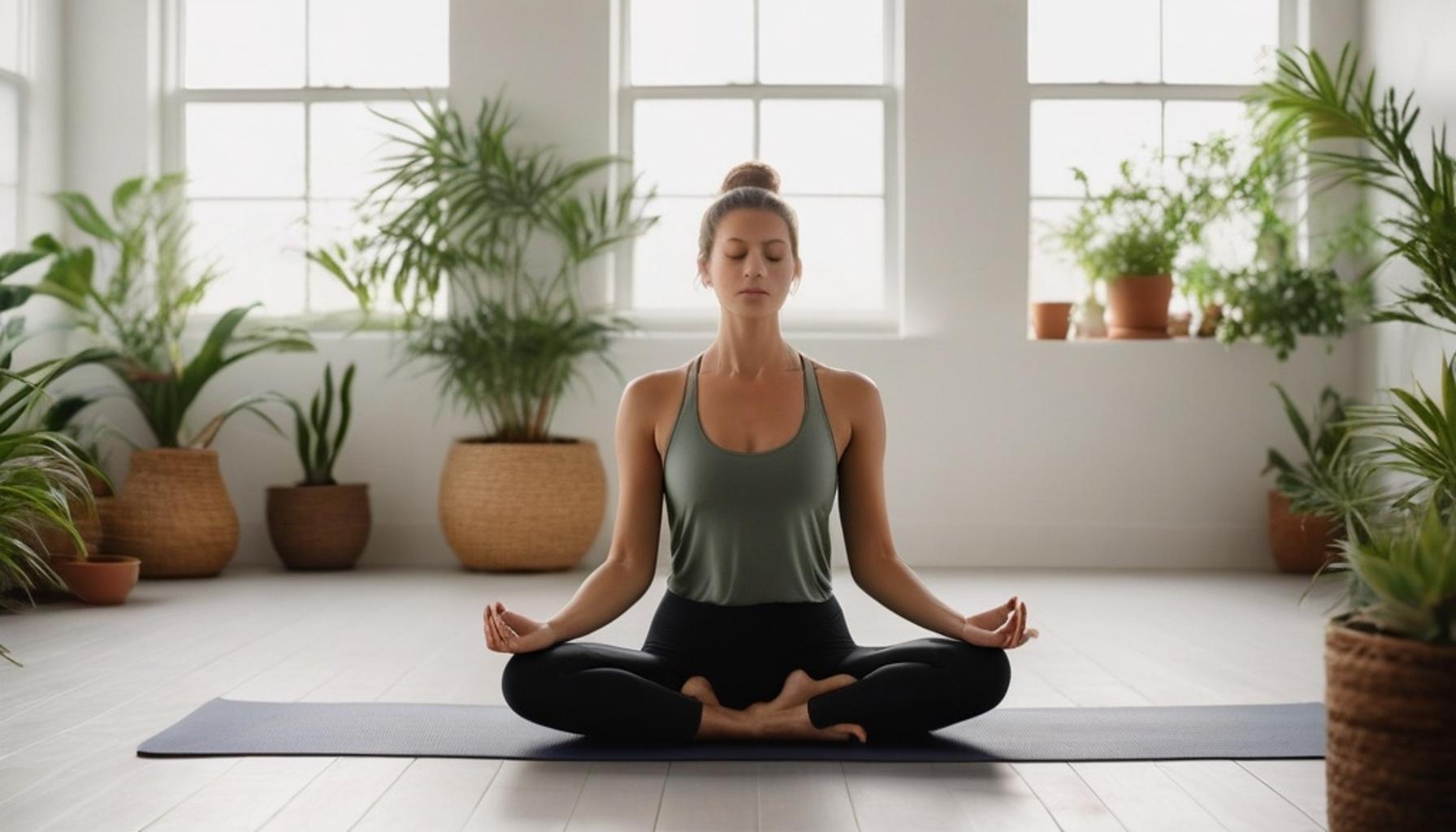
How the practice of gratitude can transform your mental health

Why Gratitude Is More Than Just Saying “Thank You”
Millions of Americans struggle with stress, anxiety, and low mood every year, according to the National Institute of Mental Health. Yet a simple, free practice is gaining traction among therapists and researchers alike: gratitude.
Science now confirms what ancient philosophies have long suggested. The connection between gratitude and mental health is not just feel-good advice—it’s backed by measurable changes in brain chemistry and emotional resilience.
What Makes This Practice So Powerful?
Research from institutions like UC Berkeley’s Greater Good Science Center shows that practicing gratitude daily can rewire how the brain processes positive experiences. This isn’t about ignoring hardships—it’s about training your mind to notice what’s already working.
Neuroscientists have found that gratitude activates the brain’s medial prefrontal cortex, an area tied to decision-making and emotional regulation. Over time, this repeated activation strengthens neural pathways associated with positivity, making optimism feel less like a forced effort and more like a default setting. It’s similar to building muscle memory, except the muscle in question is your capacity for joy.
- Reduced symptoms of depression and anxiety
- Improved sleep quality when gratitude is practiced before bed
- Stronger relationships through increased empathy and connection
- Lower cortisol levels, the body’s primary stress hormone
One popular method, gratitude journaling for mental health, requires just five minutes a day. Studies suggest participants who journal three things they’re grateful for report higher life satisfaction within weeks. Some clinics across the United States, from California wellness centers to community health programs in the Midwest, have even begun incorporating gratitude journaling into standard therapy sessions, citing its low cost and high accessibility as major advantages for patients from all walks of life.
The Mindfulness Link
There’s also a fascinating mindfulness and gratitude connection worth exploring. Both practices train attention toward the present moment, amplifying their combined effect on emotional well-being. When someone pauses to notice a warm cup of coffee, a supportive text from a friend, or simply a quiet morning, they’re essentially practicing mindfulness and gratitude simultaneously—two habits that reinforce one another like gears working in tandem.
Therapists increasingly recommend pairing short meditation sessions with gratitude reflection, noting that clients who combine both report faster improvements in mood stability. This dual approach appears to calm the nervous system while simultaneously shifting attention away from rumination, a common driver of anxiety.
So how exactly does this shift happen at a neurological level? And what practical steps can someone take today to transform their mental health through gratitude? The answers might surprise you, especially considering how small, consistent actions can lead to significant, lasting changes in overall well-being.
LEARN MORE: The Importance of Meditation in Promoting Mental Well-Being
The Neuroscience of Gratitude: What Happens Inside the Brain
Understanding gratitude and mental health requires a look beneath the surface—literally inside the skull. When researchers at institutions such as Indiana University scanned participants’ brains during gratitude exercises, they discovered something remarkable: increased activity in regions responsible for reward processing and emotional regulation. These regions, particularly the medial prefrontal cortex, act as a command center for decision-making and self-reflection, suggesting that gratitude isn’t merely an emotion but an active cognitive process the brain engages in deliberately.
This isn’t a fleeting effect. A landmark study published in the journal NeuroImage found that participants who engaged in consistent gratitude practices showed elevated neural sensitivity to gratitude-related stimuli even three months later. In other words, the brain doesn’t just respond to gratitude in the moment—it learns to seek it out. Researchers describe this as a kind of neural retraining, similar to how repeated practice strengthens a muscle. The more frequently someone acknowledges what they’re thankful for, the more efficiently their brain recognizes and processes future moments of appreciation.
How Gratitude Improves Mood on a Chemical Level
The explanation lies partly in neurotransmitters. Expressing or receiving thanks triggers the release of dopamine and serotonin, the same chemicals targeted by many antidepressant medications. This natural chemical shift explains, at least in part, how gratitude improves mood without requiring any pharmaceutical intervention. Some researchers have gone so far as to call gratitude a “natural antidepressant,” though experts caution it should complement, not replace, professional treatment when needed.
Dr. Robert Emmons, a leading gratitude researcher at UC Davis, has spent over two decades studying this phenomenon. His findings suggest that individuals who consistently practice gratitude report:
- 25% higher happiness levels compared to those who don’t
- Fewer physical health complaints, including headaches and digestive issues
- Greater motivation to exercise and maintain healthy routines
- Increased willingness to help others, creating a ripple effect in communities
These numbers aren’t abstract. They translate into real, everyday improvements—an office worker in Chicago sleeping better after a stressful quarter, or a retired teacher in Florida noticing fewer tension headaches after weeks of nightly reflection. Even small business owners in cities like Austin have reported feeling more resilient during economic uncertainty after adopting brief gratitude journaling habits, suggesting the effects extend well beyond personal well-being into professional performance.
Why Consistency Matters More Than Intensity
One common misconception is that gratitude must involve grand gestures or life-altering realizations. In reality, practicing gratitude daily through small, specific observations tends to produce stronger results than occasional, dramatic expressions of thankfulness.
Psychologists compare this to physical exercise: a five-minute walk every day often benefits the body more than an intense workout once a month. The same logic applies to emotional well-being. Brief, repeated moments of appreciation—noticing a neighbor’s wave, a functioning car engine, or a favorite song on the radio—build cumulative resilience against stress and negative thinking patterns.
This steady, low-effort approach is precisely why mental health professionals across the country are beginning to view gratitude not as a fleeting trend, but as a legitimate, evidence-based tool to transform mental health through gratitude over time. As more clinics and wellness programs incorporate structured gratitude exercises into therapy sessions, the conversation is shifting from whether gratitude works to how best to practice it consistently for lasting change.

YOU MAY ALSO LIKE: Strategies for Physical Activity to Reduce Stress and Improve Mental Health
Gratitude Journaling and the Mindfulness Connection: Turning Theory Into Practice
If the neuroscience explains why gratitude works, the next logical question is how to actually put it into practice. This is where gratitude journaling for mental health enters the conversation—not as a wellness fad, but as a structured intervention with measurable outcomes.
A 2021 study conducted at the University of California, Berkeley’s Greater Good Science Center tracked participants who wrote three things they were grateful for each night for eight weeks. Compared to a control group, journal-keepers reported a 23% drop in cortisol levels, the hormone most closely linked to chronic stress. Lower cortisol doesn’t just mean feeling calmer—it correlates with better immune function, improved sleep architecture, and reduced inflammation markers throughout the body.
The Overlap Between Gratitude and Mindfulness
There’s a reason therapists increasingly pair these two practices together. The mindfulness and gratitude connection lies in their shared demand for present-moment awareness. You cannot feel genuine appreciation for something you haven’t fully noticed, and mindfulness is essentially the skill of noticing without judgment.
Clinics in cities like Seattle and Denver have begun integrating five-minute mindful gratitude pauses into group therapy sessions, asking patients to identify one sensory detail they’re thankful for—the warmth of sunlight through a window, the taste of morning coffee, the sound of rain. Therapists report that this micro-practice helps patients with anxiety disorders interrupt spiraling thought patterns more effectively than deep breathing alone.
Practical Methods Backed by Research
Not every gratitude technique produces identical results. Researchers have identified several approaches that consistently outperform vague, generalized thankfulness:
- Writing letters of gratitude to specific people, even if never sent, which activates stronger emotional recall than journaling alone
- Using a “gratitude jar,” where notes are collected and reviewed monthly, reinforcing long-term memory of positive events
- Practicing verbal gratitude during meals, a habit common in many American households that studies link to stronger family cohesion
- Pairing gratitude with physical movement, such as naming appreciated things during a morning walk, which combines cardiovascular benefits with emotional processing
A Harvard Medical School publication highlighted that people who wrote gratitude letters experienced significantly greater activation in the medial prefrontal cortex weeks after writing, even when they weren’t actively thinking about the letter. This lingering neural effect reinforces why professionals increasingly recommend gratitude exercises as a complement to cognitive behavioral therapy, particularly for patients managing depression or generalized anxiety disorder.
What makes these findings particularly relevant for American readers is accessibility. Unlike many mental health interventions requiring insurance coverage or specialist appointments, gratitude practices cost nothing and can be adapted to fit demanding work schedules, single-parent households, or college students juggling multiple responsibilities across the country.
RECOMMENDED: How Physical Exercise Contributes to Mental Health and Emotional Balance
Gratitude as a Lifelong Mental Health Strategy
The connection between gratitude and mental health is no longer a matter of speculation—it’s backed by cortisol readings, brain scans, and clinical outcomes spanning multiple institutions. What began as a simple habit of noticing good things has evolved into a legitimate therapeutic tool that neuroscientists and psychologists across the United States now take seriously.
Throughout this discussion, one theme keeps resurfacing: consistency matters more than intensity. A single moment of thankfulness feels good, but the real transformation happens when practicing gratitude daily becomes as routine as brushing your teeth or checking the weather before heading out the door.
The research also suggests something worth sitting with: gratitude isn’t about ignoring hardship or pretending everything is fine. People managing depression, grief, or chronic stress still benefit from these practices, not because their struggles disappear, but because the brain builds a parallel track for recognizing what remains good amid difficulty.
For readers wondering where to start, the answer doesn’t require a therapist’s office or expensive apps. A notebook, five quiet minutes, and a willingness to notice small details are enough to begin.
Looking ahead, more employers, schools, and healthcare providers are likely to fold gratitude-based interventions into wellness programs, following the lead of clinics already testing these methods in places like Denver and Seattle. As that trend grows, understanding how gratitude improves mood on a biological level will matter just as much as practicing it.
Ultimately, the science points to a clear conclusion: those willing to transform mental health through gratitude aren’t chasing a trend. They’re tapping into a mechanism the brain has always had, simply waiting to be used with intention.
Frequently Asked Questions
How does practicing gratitude actually change the brain?
Gratitude practice activates brain regions linked to reward and social bonding, particularly the prefrontal cortex, and increases dopamine and serotonin production. Over time, regularly focusing on positive experiences strengthens neural pathways associated with optimism, making it easier to notice and appreciate good things without conscious effort. This is why consistent practice, not a single instance, produces lasting mental health benefits.
How long does it take to see mental health benefits from a gratitude journal?
Many people report noticeable mood improvements within two to three weeks of daily journaling, though research studies often track benefits over six to eight weeks for more measurable changes in anxiety and depression symptoms. Consistency matters more than duration, so writing just three things you’re grateful for each night tends to work better than sporadic, longer entries. Results vary by individual, but most see some shift within the first month.
Can gratitude practice help with clinical depression and anxiety, or only mild stress?
Gratitude practice is best used as a complementary tool alongside therapy or medication for clinical depression and anxiety, not as a standalone treatment. Studies show it can reduce symptom severity and improve overall well-being when combined with professional care like cognitive behavioral therapy. If you’re managing a diagnosed condition, talk to your mental health provider about how to incorporate gratitude exercises safely into your treatment plan.
What’s the difference between feeling grateful and actively practicing gratitude?
Feeling grateful is a passing emotion that arises spontaneously, while practicing gratitude is an intentional habit like journaling, writing thank-you notes, or verbally acknowledging others regularly. The mental health benefits come specifically from the consistent practice, since it trains your brain to seek out positive experiences rather than relying on occasional spontaneous feelings. This is why experts recommend structured exercises rather than simply waiting to feel thankful.
Is it possible to practice too much gratitude and ignore real problems?
Yes, toxic positivity can occur if gratitude practice is used to suppress or dismiss legitimate negative emotions instead of processing them. Healthy gratitude practice acknowledges difficulties while also recognizing positive aspects of life, rather than forcing forced positivity that ignores real struggles. Mental health professionals recommend balancing gratitude exercises with honest emotional processing for the best results.

Linda Carter
Linda Carter is a writer specializing in healthy habits and balanced living. With extensive experience helping readers build sustainable routines, she shares practical guidance on nutrition, physical activity, quality sleep, stress management, and emotional well-being. Her goal is to offer simple, accessible strategies that inspire people to care for their health and enjoy a more balanced life.