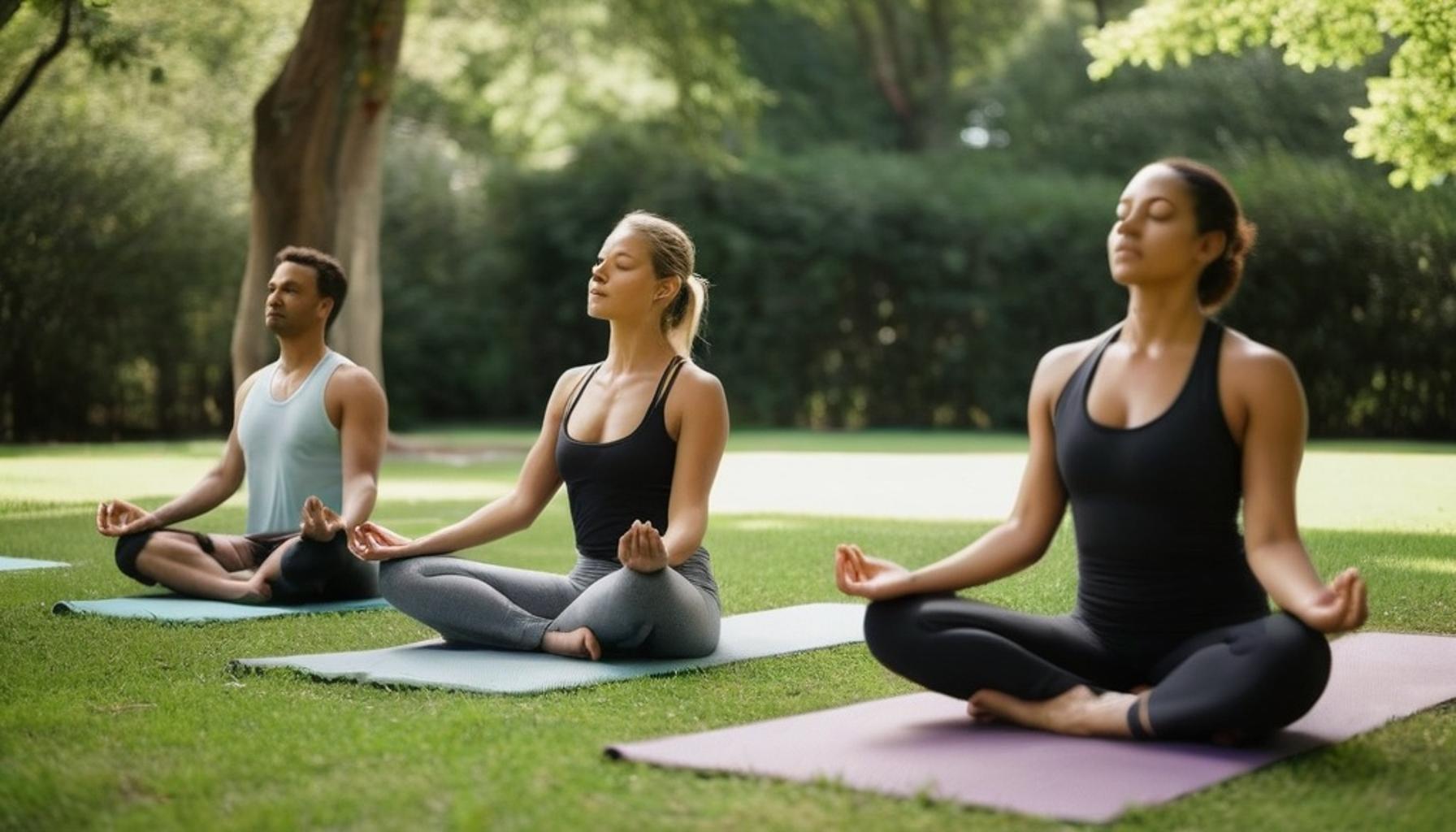
Mindfulness Techniques for Effective Stress Management in Daily Life
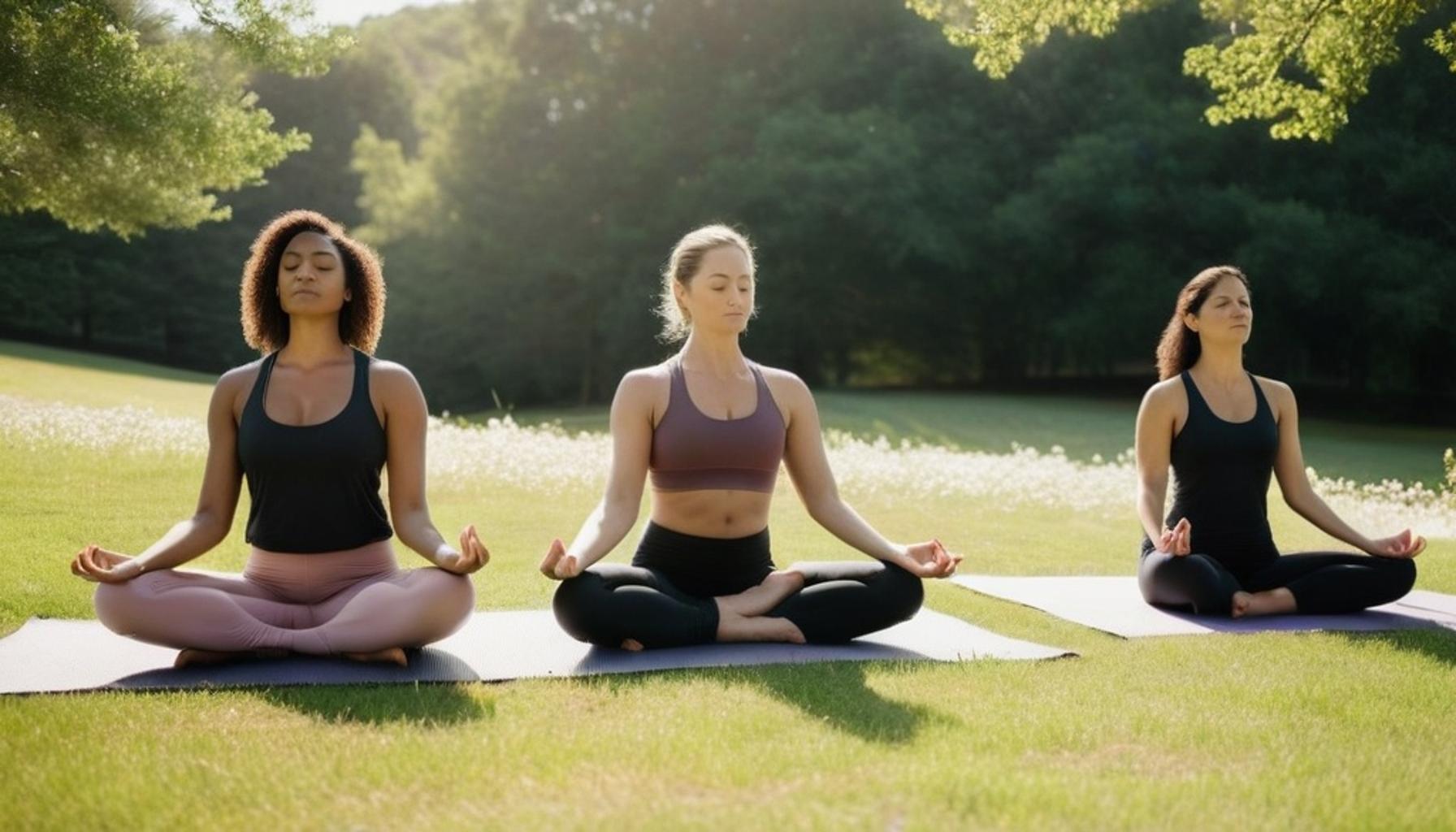
Why Stress Has Become America’s Silent Epidemic
Nearly 77% of Americans report experiencing stress that affects their physical health, according to the American Psychological Association. From rush-hour traffic in Los Angeles to overflowing inboxes in New York offices, daily pressures are piling up faster than most people can process them. Add in grocery bills, school pickups, and the constant buzz of notifications, and it’s no wonder chronic stress has quietly become one of the most common health complaints in the country.
This is where mindfulness techniques for stress management enter the conversation. Once considered a niche practice tied to yoga studios or meditation retreats, mindfulness has become a mainstream, science-backed approach to reclaiming calm. Major hospital systems, including the Mayo Clinic and Cleveland Clinic, now recommend mindfulness-based interventions alongside traditional treatment plans for anxiety and stress-related conditions.
What You’ll Discover in This Guide
This article breaks down practical mindfulness practices for daily life that fit into even the busiest schedules. You don’t need a silent retreat in the mountains—just a few intentional minutes carved out of an already packed day.
- Simple breathing exercises you can do at your desk without anyone noticing
- How to reduce stress with mindfulness during commutes or chores like folding laundry or washing dishes
- Quick mindfulness exercises for stress relief between back-to-back Zoom meetings
- Evening rituals that calm the nervous system before bed, helping counteract the effects of doom-scrolling
Each technique is rooted in effective stress coping strategies validated by clinical research, not vague wellness trends borrowed from social media influencers. These are methods tested in labs, hospitals, and workplace wellness programs across the country.
A Different Approach to an Old Problem
Traditional stress management methods often focus on eliminating stressors entirely—an unrealistic goal in modern life, where deadlines, traffic, and financial pressures rarely disappear on command. Mindfulness instead teaches you to change your relationship with stress itself, shifting the focus from control to awareness and acceptance.
Studies from Harvard Medical School have even linked consistent mindfulness practice to measurable changes in brain structure, particularly in areas tied to anxiety and emotional regulation, such as the amygdala. Researchers have observed reduced gray matter density in stress-related regions after just eight weeks of regular practice. The implications go far beyond feeling “a little calmer”—they suggest a tangible, biological shift in how the brain processes pressure.
Ready to explore how a few mindful minutes each day can reshape your response to pressure? Let’s dive into the techniques that make it possible, starting with something as simple as your next breath.
DIVE DEEPER: Click here to learn more
The Science-Backed Breathing Method That Takes Less Than a Minute
Before diving into complex routines, let’s start with the foundation of nearly every mindfulness practice: breath control. Mindfulness techniques for stress management almost always begin here, and for good reason—breathing is the one autonomic function you can consciously override in seconds.
Physiologists at Stanford University have studied a technique called the “physiological sigh,” which involves two inhales through the nose followed by one long exhale through the mouth. This pattern rapidly reduces activity in the sympathetic nervous system, essentially telling your body the danger has passed even when your inbox suggests otherwise.
For office workers juggling back-to-back calls, this method requires no equipment, no app, and no one even needs to know you’re doing it. That’s part of why it’s gained traction as one of the most effective stress coping strategies among corporate wellness programs from Seattle tech campuses to Atlanta call centers.
What makes this particular technique stand out from other relaxation methods is the speed of the physiological response. Unlike meditation, which can take weeks of practice before users notice changes, the physiological sigh often produces a measurable dip in heart rate within thirty to sixty seconds. Researchers attribute this to the way the double inhale reopens collapsed air sacs in the lungs, allowing for a more complete exhale that flushes out excess carbon dioxide. This exchange sends an immediate signal to the brainstem that the body is safe, which is why the technique has spread so quickly through hospitals, fire departments, and even professional sports teams looking for quick recovery tools between high-pressure moments.
Three Breathing Patterns Worth Trying
Not every technique works for every person, so experimenting matters. Here are three approaches clinicians frequently recommend:
- 4-7-8 Breathing: Inhale for four counts, hold for seven, exhale for eight. Popularized by Dr. Andrew Weil, this pattern is often used to ease pre-meeting jitters or racing thoughts before a presentation.
- Box Breathing: Used by Navy SEALs to stay calm under pressure, this involves equal counts—four seconds in, four seconds hold, four seconds out, four seconds hold—repeated for several cycles.
- Physiological Sigh: The double-inhale, long-exhale pattern mentioned above, ideal for quick resets between tasks.
These aren’t abstract wellness concepts—they’re grounded in how carbon dioxide and oxygen levels influence heart rate variability, a measurable indicator of stress that researchers at institutions like Cleveland Clinic actively track in patients.
Interestingly, many first responders across the United States, from paramedics in Chicago to firefighters in Los Angeles, are now trained in box breathing as part of standard resilience programs. The rationale is simple: in high-stakes moments, decision-making suffers when the nervous system is flooded with cortisol and adrenaline. By practicing a fixed-count breathing rhythm, professionals create a mental anchor that pulls focus away from panic and back toward controlled action. Civilians dealing with everyday anxiety, whether from traffic jams on the interstate or looming deadlines at work, can borrow this same tool without needing any specialized training.
Why Timing Matters More Than People Realize
Practicing these techniques only during a crisis limits their effectiveness. Building them into mindfulness practices for daily life—say, right after parking the car before walking into work, or before opening a laptop each morning—creates a habit loop the brain recognizes and responds to faster over time.
A 2019 study published in the journal Frontiers in Psychology found that participants who practiced structured breathing exercises for just five minutes daily over four weeks reported significantly lower perceived stress scores compared to a control group. The effect wasn’t instant, but it compounded steadily, reinforcing that consistency outperforms intensity when learning how to reduce stress with mindfulness.
This finding echoes a broader pattern seen in behavioral science: small, repeatable actions tend to produce more durable change than occasional grand gestures. Much like brushing your teeth or checking the weather before heading out, breathing exercises become far more powerful once they’re woven into an existing routine rather than treated as an emergency fix. Some wellness coaches even suggest pairing breathwork with habits people already have, such as waiting for coffee to brew or sitting in a parked car before a commute, to make the practice feel less like a chore and more like a natural pause built into the day.
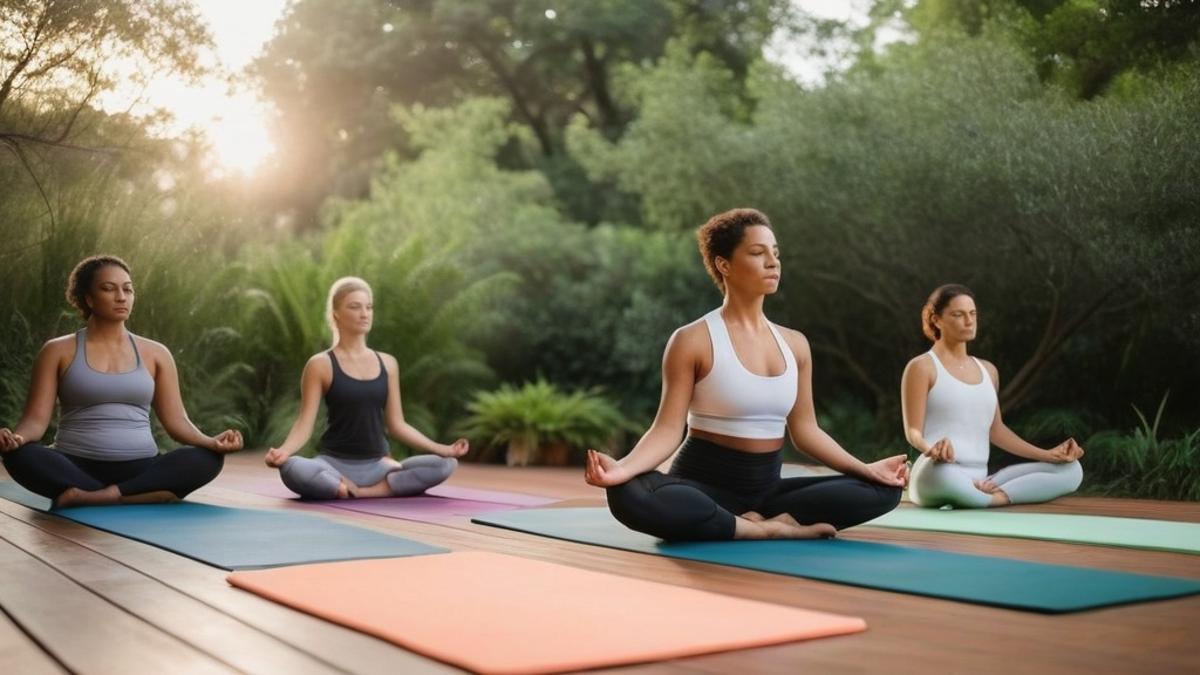
Key Mindfulness Techniques for Stress Management at a Glance
Before diving deeper into practical routines, it helps to see how different mindfulness techniques for stress management compare in terms of purpose and impact. The table below summarizes core mindfulness practices for daily life, offering a quick reference on how each method supports effective stress coping strategies. From breathing exercises to body-based awareness, these approaches show how to reduce stress with mindfulness in ways that fit almost any schedule.
| Technique | Primary Benefit |
|---|---|
| Breath Awareness | Lowers cortisol and calms the nervous system in minutes |
| Body Scan Meditation | Releases muscle tension linked to chronic stress |
| Mindful Walking | Combines movement with present-moment focus |
| Gratitude Journaling | Shifts attention away from anxious thought patterns |
Each of these mindfulness exercises for stress relief can be practiced independently or combined for a more comprehensive routine. Research suggests that even five minutes of daily breath awareness can measurably reduce perceived stress levels within a few weeks.
DISCOVER MORE: Click here to learn about the connection between physical activity and mental health
Stress rarely announces itself politely. It creeps into the shoulders during a long commute, tightens the jaw during a difficult conversation, or settles into the lower back after hours hunched over a laptop. While breathwork resets the nervous system in seconds, body-scanning meditation addresses something breathing alone can’t: the physical tension stored in muscles long after the original stressor has passed. This is where many mindfulness exercises for stress relief shift from quick fixes to deeper recalibration tools that work on a cellular, not just situational, level.
A body scan involves mentally moving attention from the toes upward, noticing tightness in the calves, clenched jaw muscles, or hunched shoulders without trying to immediately fix them. Researchers at the University of Massachusetts Medical School, where Jon Kabat-Zinn pioneered Mindfulness-Based Stress Reduction (MBSR) in 1979, found that this practice alone can lower cortisol levels measurably after just eight weeks of consistent use. Participants in these studies often reported that they hadn’t even realized how much tension they were carrying until they were guided to notice it deliberately, a discovery that surprises many first-time practitioners.
What’s notable is how body scanning differs from stretching or massage. The goal isn’t to release tension through movement but through awareness itself. Simply naming where stress lives in the body—a tight neck after a stressful commute on I-95, or shallow breathing during a tense client call—interrupts the automatic stress loop before it escalates into chronic tension headaches or lower back pain. Some practitioners compare it to shining a flashlight into a cluttered closet: nothing physically changes at first, but suddenly the mess becomes manageable simply because it’s visible.
The 5-4-3-2-1 Grounding Technique
For moments when stress feels overwhelming rather than just uncomfortable, grounding techniques offer another layer of effective stress coping strategies. The 5-4-3-2-1 method is widely used by therapists treating anxiety disorders, and it works by pulling attention away from racing thoughts and into immediate sensory experience.
The steps are simple:
- Identify five things you can see around you
- Notice four things you can physically touch
- Listen for three distinct sounds
- Recognize two things you can smell
- Name one thing you can taste
This technique is particularly popular among teachers, nurses, and retail workers—professions where stepping away from a stressful environment isn’t always possible. A nurse in a busy Houston hospital, for example, might use this method during a thirty-second pause between patients rather than needing a private room or extended break. Similarly, a high school teacher in Ohio managing a classroom of thirty teenagers might silently run through the steps while students transition between lessons, using the technique as an invisible reset button that no one else even notices.
Why the Brain Responds So Well to Sensory Grounding
Neuroscientists explain that grounding techniques work by activating the prefrontal cortex, the brain’s reasoning center, while simultaneously quieting the amygdala, which drives fight-or-flight responses. This shift is measurable on functional MRI scans, showing reduced activity in stress-reactive regions within minutes of practicing sensory-focused attention. In practical terms, this means the brain physically shifts gears, moving from a reactive state into one better suited for clear thinking.
This matters because chronic stress doesn’t just feel unpleasant—it restructures the brain over time, thickening the amygdala and shrinking areas responsible for memory and decision-making. Learning how to reduce stress with mindfulness through grounding and body awareness isn’t just about feeling calmer in the moment; it’s about actively counteracting long-term neurological changes tied to anxiety and burnout, changes that researchers increasingly link to sleep disturbances and even cardiovascular strain.
Combining these techniques with breathing exercises creates a more complete toolkit. Where breathwork calms the body chemically, body scans and grounding exercises calm it perceptually, addressing stress from two different angles at once. Together, they form some of the most practical stress management methods available to anyone navigating unpredictable days, whether that unpredictability comes from a chaotic trading floor in New York or a classroom full of restless second-graders in rural Ohio.
Building a Sustainable Mindfulness Practice
Stress isn’t disappearing from American life anytime soon. Between rising workplace demands, digital overload, and the everyday friction of traffic jams and packed schedules, the question isn’t whether stress will show up—it’s how prepared someone is to meet it. This is precisely why mindfulness techniques for stress management have moved from niche wellness circles into mainstream healthcare, education, and even corporate training programs across the country.
What separates lasting relief from temporary calm is consistency rather than intensity. A single breathing exercise or body scan won’t rewire stress responses overnight, but research from institutions like UMass Medical School suggests that repeated practice, even in short bursts, produces measurable physiological change over weeks.
The techniques covered here work precisely because they target stress from different angles:
- Breathwork calms the nervous system chemically within seconds
- Body scanning reveals and releases stored physical tension
- Grounding exercises interrupt racing thoughts using sensory focus
None of these require special equipment, quiet rooms, or hours of free time. That accessibility is exactly what makes them practical mindfulness practices for daily life, whether someone is a surgeon in Chicago managing high-stakes decisions or a parent juggling remote work and school pickups in the suburbs.
Perhaps the most important takeaway is this: stress management isn’t about eliminating stress entirely, since some level of it is unavoidable and even useful. Instead, these effective stress coping strategies offer a way to respond deliberately rather than react automatically.
Over time, that shift—from reaction to response—may be one of the most quietly transformative changes a person can make, not just for mental clarity, but for long-term physical health as well.
Frequently Asked Questions
How quickly can mindfulness techniques for stress management actually reduce stress?
Many people notice a calmer state within minutes of practicing deep breathing or body scan exercises, as these activate the body’s relaxation response. However, consistent daily practice over 2 to 4 weeks is typically needed to see lasting reductions in overall stress levels and improved emotional regulation.
What is the easiest mindfulness technique to start with for someone who is always busy?
The 5-4-3-2-1 grounding technique or simple breath awareness are great starting points because they take less than five minutes and require no special equipment or setting. You can practice them at your desk, in your car, or while waiting in line, making them ideal for a hectic schedule.
Can mindfulness techniques for stress management help with work-related anxiety specifically?
Yes, techniques like mindful breathing breaks, single-tasking, and short body scans can interrupt the stress cycle triggered by deadlines and workplace pressure. Practicing these during transitions, such as before meetings or after emails, helps prevent anxiety from building up throughout the day.
Do I need to meditate for a long time each day to see stress-relief benefits?
No, research shows that even 5 to 10 minutes of focused mindfulness practice daily can meaningfully lower cortisol levels and improve mood. Consistency matters more than duration, so short, regular sessions are often more effective than infrequent long ones.
What’s the difference between mindfulness techniques and traditional relaxation methods like just watching TV?
Mindfulness techniques involve actively focusing attention on the present moment, such as your breath, sensations, or thoughts, which trains the brain to respond to stress more calmly over time. Passive activities like watching TV may feel relaxing temporarily but don’t build the same long-term stress resilience or self-awareness.

Linda Carter
Linda Carter is a writer specializing in healthy habits and balanced living. With extensive experience helping readers build sustainable routines, she shares practical guidance on nutrition, physical activity, quality sleep, stress management, and emotional well-being. Her goal is to offer simple, accessible strategies that inspire people to care for their health and enjoy a more balanced life.