The importance of daily meditation for mental well-being
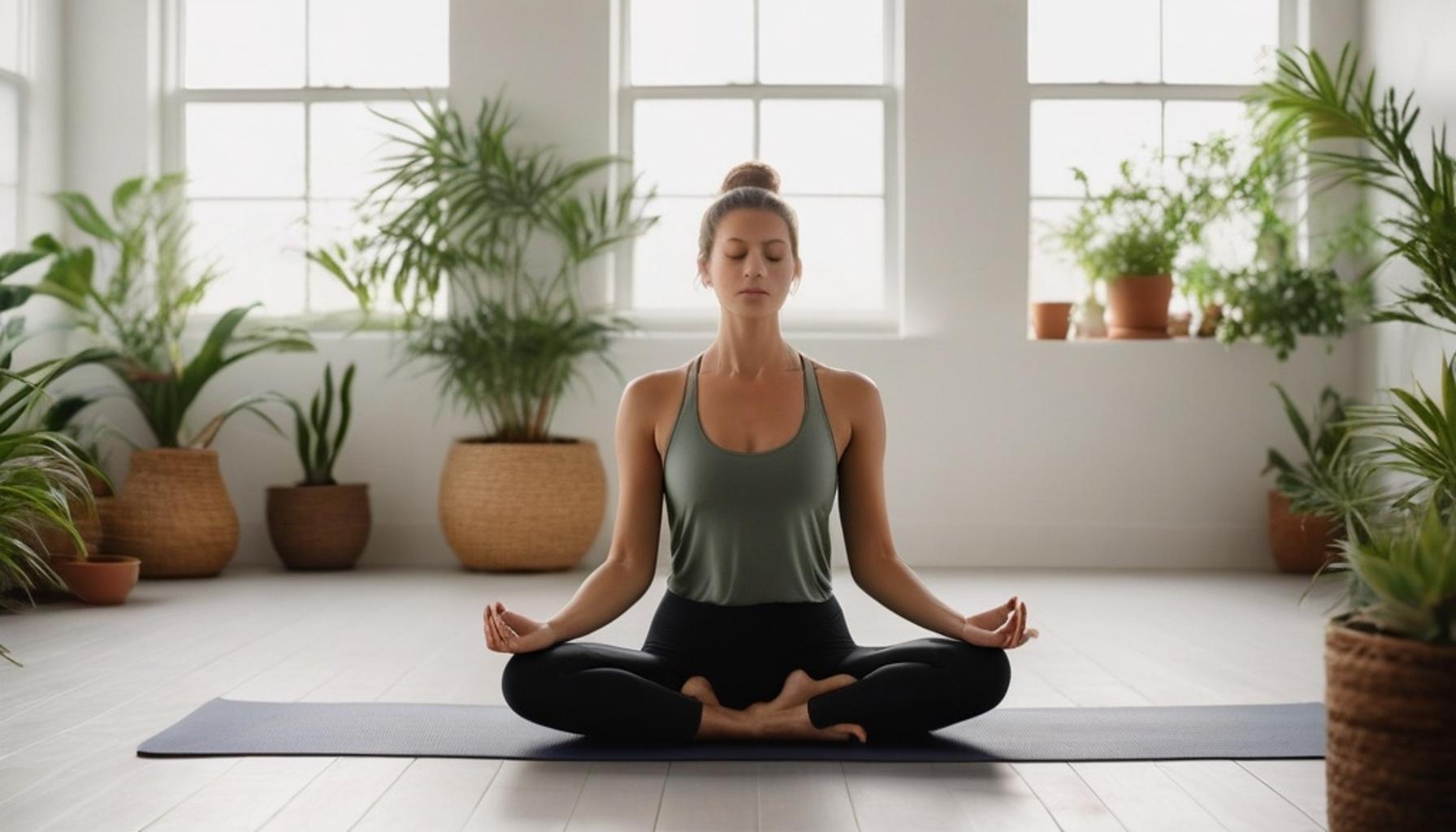
Why Millions of Americans Are Turning to Stillness Every Morning
Stress levels in the United States have reached a tipping point. According to the American Psychological Association, more than 75% of adults report experiencing moderate to high stress in a typical month. From rising grocery bills in Ohio to gridlock traffic in Los Angeles, the pressures of daily American life seem to compound faster than most people can process them.
Amid this national anxiety wave, a quiet revolution is unfolding on yoga mats, office breakrooms, and bedroom floors across the country. Daily meditation for mental well-being has moved from a niche wellness trend to a mainstream mental health strategy. What was once associated with incense-filled studios in California is now practiced by truck drivers in Texas, nurses in New York hospitals, and college students cramming for finals in Michigan.
A Simple Habit With Measurable Impact
Neuroscientists at institutions like Harvard and UCLA have documented real, physical changes in the brains of consistent meditators. Using MRI scans, researchers have observed increased gray matter density in areas linked to memory, empathy, and stress regulation. These findings raise a compelling question: could ten minutes a day truly reshape how we handle stress, focus, and emotional stability?
The evidence points toward several key benefits of meditation, including:
- Reduced cortisol levels linked to chronic stress
- Improved emotional regulation and resilience
- Sharper focus and cognitive performance
- Better sleep quality and duration
- Lower symptoms of anxiety and depression
Some studies suggest the effects extend beyond the individual. Employers experimenting with workplace meditation programs, including several Fortune 500 companies, have reported measurable drops in employee burnout and sick days, suggesting that stillness may carry economic as well as personal value.
Meditation for Mental Health Is More Accessible Than Ever
Thanks to apps, guided sessions, and community classes, learning how to meditate daily no longer requires a retreat in the mountains. Simple mindfulness meditation techniques can be practiced from a kitchen table or a parked car during a lunch break. Popular platforms like Headspace and Calm have amassed tens of millions of downloads nationwide, a signal that Americans are actively searching for accessible tools to manage overwhelming schedules.
Even public institutions have taken notice. Several school districts in states such as California and New Jersey have introduced short mindfulness sessions into classrooms, aiming to help students manage academic pressure before it escalates into chronic anxiety.
What follows is a closer look at why stress reduction through meditation works, what the science actually says, and how anyone can build a sustainable practice starting today, regardless of budget, location, or schedule.
LEARN MORE: The Importance of Meditation in Promoting Mental Well-Being
The Science Behind the Stillness: What Happens Inside the Brain
Walk into almost any hospital break room in Chicago or a quiet corner of a Seattle tech office, and you might find someone with their eyes closed, breathing slowly, phone timer set for ten minutes. This is not a coincidence. Daily meditation for mental well-being has quietly become one of the most researched, and validated, mental health practices in modern medicine.
A landmark study conducted by researchers at Massachusetts General Hospital found that participants who practiced mindfulness meditation for just eight weeks showed measurable shrinkage in the amygdala, the brain region responsible for triggering fear and stress responses. At the same time, connectivity increased in the prefrontal cortex, the area tied to decision-making and rational thought. In plain terms: the brain physically rewires itself to worry less and think more clearly.
What is particularly striking is that these changes were not limited to seasoned practitioners or monks who had spent decades in silent retreats. The subjects were ordinary adults, many of whom had never meditated before the study began. Brain imaging technology, specifically functional MRI scans, allowed scientists to watch these structural shifts occur in near real time, offering a level of proof that anecdotal wellness trends rarely receive. This is part of why hospitals from Boston to Los Angeles have started integrating mindfulness-based stress reduction programs directly into patient care plans, rather than treating meditation as an alternative or fringe therapy.
Why Ten Minutes Can Outperform an Hour of Scrolling
Americans check their phones an average of 144 times per day, according to a 2023 consumer behavior report. That constant stimulation keeps the nervous system on high alert, releasing small but frequent doses of cortisol. Meditation interrupts that cycle.
Unlike passive relaxation, such as watching television or scrolling social media, meditation actively trains the mind to observe thoughts without reacting to them. This distinction matters. Researchers at Johns Hopkins University reviewed nearly 47 clinical trials and concluded that mindfulness meditation programs produced moderate but consistent improvements in anxiety, depression, and pain, results comparable in some cases to antidepressant medication, without the side effects.
This comparison alone has caught the attention of primary care physicians across the country, many of whom now mention meditation as a low-cost, low-risk supplement to traditional treatment. Insurance providers in states like California and Minnesota have even started reimbursing certain guided mindfulness programs, a sign that the practice is moving from wellness culture into mainstream medical recommendation.
Specific mindfulness meditation techniques tend to yield the fastest results for beginners, including:
- Body scan meditation, which draws attention to physical tension
- Breath-focused meditation, ideal for quick stress resets during work breaks
- Loving-kindness meditation, shown to reduce symptoms of social anxiety
- Walking meditation, popular among people who struggle to sit still
What makes these techniques compelling is accessibility. None require special equipment, a subscription, or prior experience. A commuter on the New York subway or a parent waiting in a school pickup line in suburban Dallas can practice breath-focused meditation without anyone noticing.
Workplace wellness programs have taken notice as well. Companies headquartered in cities like Austin and San Francisco now offer short meditation breaks between meetings, citing internal data that links even brief mindfulness sessions to reduced employee burnout and improved focus during afternoon slumps, that familiar post-lunch fog many office workers know all too well.
Still, one question keeps surfacing among skeptics and newcomers alike: does consistency matter more than duration? Emerging research suggests it might, and the answer could change how most people approach building the habit in the first place. Some studies indicate that five minutes practiced daily may produce more lasting neurological change than a single sixty-minute session done once a week, a finding that challenges the assumption that longer sessions automatically translate to greater benefit.
YOU MAY ALSO LIKE: Mindfulness Strategies to Reduce Stress and Improve Quality of Life
# Building the Habit: Turning Ancient Practice into Modern Routine
Sustainability is where most wellness trends quietly collapse. Gym memberships go unused by February, journals sit half-filled, and green juice cleanses fade by spring. Meditation, however, seems to defy this pattern, largely because the barrier to entry is remarkably low.
Understanding how to meditate daily does not require a spiritual awakening or a silent retreat in the mountains of Colorado. It requires a chair, a few quiet minutes, and a willingness to sit with discomfort long enough to notice it pass.
Behavioral scientists at Stanford University have studied habit formation extensively, and their findings apply directly to meditation adoption. Habits stick when they are anchored to existing routines, a concept researchers call habit stacking. Pairing meditation with something already automatic, brewing morning coffee, waiting for a laptop to boot up, or sitting in a parked car before walking into work, dramatically increases the odds of long-term consistency.
This principle is not unique to meditation. It mirrors how millions of Americans built habits around flossing, taking vitamins, or stretching before bed. The brain conserves energy by attaching new behaviors to established cues, which is why forcing meditation into an already crowded schedule tends to fail while slipping it into a natural pause in the day tends to succeed.
What a Realistic Starting Point Looks Like
Beginners often assume meditation for mental health demands lengthy, uninterrupted sessions. That assumption discourages more people than it helps.
A more realistic entry point includes:
- Starting with three to five minutes, not thirty
- Practicing at the same time each day to build automaticity
- Using a guided app during the first few weeks rather than sitting in silence
- Tracking sessions on a simple calendar to visualize consistency
- Expecting a wandering mind, since redirecting attention is the actual exercise, not a sign of failure
Data from a 2022 behavioral health survey found that 68 percent of people who quit meditation did so within the first ten days, typically citing frustration with an inability to “clear their mind.” This reveals a widespread misunderstanding. Meditation was never designed to eliminate thought. It trains the practitioner to notice thought without being hijacked by it.
Consider the analogy often used by mindfulness instructors across community centers in cities like Austin and Denver: meditation is less like turning off a radio and more like learning to observe the static without adjusting the dial. The thoughts do not stop arriving. What changes is the relationship the practitioner has with them.
Stress Reduction Through Meditation in High-Pressure Environments
Emergency room nurses in Houston, air traffic controllers in Atlanta, and trial attorneys in Manhattan operate in professions where stress is not occasional but constant. Several hospital systems, including those affiliated with the Cleveland Clinic, have begun offering brief mindfulness training specifically for high-burnout roles.
Early internal reporting from these programs shows a noticeable drop in self-reported emotional exhaustion after just six weeks of consistent practice. Nurses who once described their shifts as “a blur of adrenaline” report feeling more grounded during codes and emergencies, a shift attributed to improved baseline regulation of the nervous system.
This raises a broader point often overlooked in conversations about the benefits of meditation: the goal is not to feel calm exclusively during practice, but to build a nervous system that recovers faster after stress hits. Meditation functions less like a sedative and more like strength training for emotional resilience, and that distinction may explain why its effects tend to compound the longer someone stays consistent.
Similar patterns are emerging outside of healthcare. Corporate wellness programs at companies headquartered in Seattle and Chicago have begun tracking absenteeism and reported burnout rates before and after introducing short mindfulness breaks during the workday. While the sample sizes remain modest, the early trend lines suggest measurable improvement, enough to prompt several Fortune 500 firms to expand pilot programs into permanent offerings.
What makes this trend worth watching closely is not the novelty of meditation itself, which has existed for thousands of years, but the growing willingness of high-stakes American institutions to treat it as infrastructure rather than indulgence. As more data emerges from hospitals, trading floors, and courtrooms, the conversation is shifting from whether meditation works to how quickly organizations can responsibly scale it.
SEE ALSO: Strategies for Physical Activity to Reduce Stress and Improve Mental Health
The Bigger Picture: Why This Practice Deserves a Permanent Place in Daily Life
The evidence gathered from hospital wards in Cleveland, corporate offices in Seattle, and behavioral research labs at Stanford points to a consistent conclusion: daily meditation for mental well-being is not a passing wellness fad but a measurable, trainable skill with real physiological payoffs.
What separates meditation from other self-improvement trends is its low barrier to entry combined with its high ceiling for long-term benefit. A few quiet minutes, repeated consistently, appear to matter more than sporadic hour-long sessions squeezed in during moments of crisis.
The benefits of meditation extend beyond momentary calm. They reshape how the nervous system responds to stress over weeks and months, a finding echoed by nurses, attorneys, and office workers alike who report faster recovery after high-pressure situations rather than simply feeling relaxed during practice itself.
Equally important is dismantling the myth that mindfulness meditation techniques require silencing the mind entirely. As the data on early quitters suggests, that misunderstanding drives away far too many beginners before they experience any real progress.
For anyone still wondering how to meditate daily without overhauling their entire schedule, the answer lies in small, anchored habits rather than dramatic lifestyle shifts. Three minutes tied to an existing routine will likely outlast thirty minutes attempted sporadically.
As more institutions, from hospitals to Fortune 500 companies, begin treating stress reduction through meditation as a legitimate operational tool rather than a soft perk, the practice is shedding its reputation as fringe or spiritual novelty.
The next several years will likely bring more rigorous, large-scale research into meditation for mental health, but the early signals already suggest something worth paying attention to now, not later. For readers curious enough to test it themselves, the only real requirement is showing up tomorrow morning and doing it again.
Frequently Asked Questions
How long should I meditate each day to see improvements in mental well-being?
Research suggests that even 10 to 15 minutes of daily meditation can produce noticeable reductions in stress and anxiety within a few weeks. Beginners often start with 5 minutes and gradually increase the duration as their focus improves. Consistency matters more than length, so a short daily practice is more beneficial than occasional long sessions.
What is the best time of day to practice daily meditation for mental well-being?
Many people find morning meditation helpful because it sets a calm tone for the day and reduces reactivity to stress. Others prefer evening sessions to unwind and process the day’s events before sleep. The best time is ultimately whenever you can consistently commit to the practice without frequent interruptions.
Can daily meditation help with symptoms of anxiety and depression?
Studies have shown that regular meditation can lower cortisol levels and activate brain regions associated with emotional regulation, which may reduce symptoms of anxiety and mild depression. It is not a replacement for professional treatment but can be a valuable complementary tool. Many therapists now recommend mindfulness-based practices alongside traditional therapy for these conditions.
What type of meditation is most effective for beginners focused on mental well-being?
Mindfulness meditation, which involves focusing on the breath and observing thoughts without judgment, is often recommended for beginners due to its simplicity and strong research backing. Guided meditation apps can also help newcomers stay consistent by providing structure. Experimenting with a few styles, such as body scans or loving-kindness meditation, can help you find what resonates best.
How quickly will I notice the mental health benefits of a daily meditation habit?
Some people report feeling calmer after just a single session, but measurable changes in stress levels and emotional resilience typically appear after two to four weeks of consistent practice. Long-term benefits, such as improved attention span and reduced reactivity, tend to build over several months. Tracking your mood in a journal can help you notice subtle improvements over time.

Linda Carter
Linda Carter is a writer specializing in healthy habits and balanced living. With extensive experience helping readers build sustainable routines, she shares practical guidance on nutrition, physical activity, quality sleep, stress management, and emotional well-being. Her goal is to offer simple, accessible strategies that inspire people to care for their health and enjoy a more balanced life.